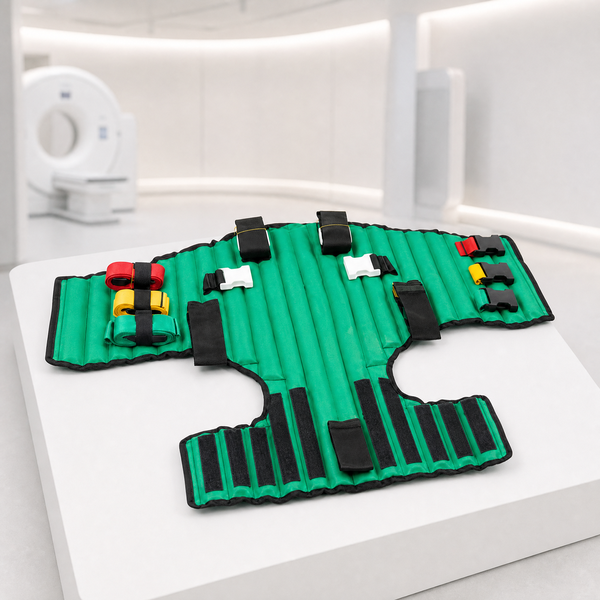
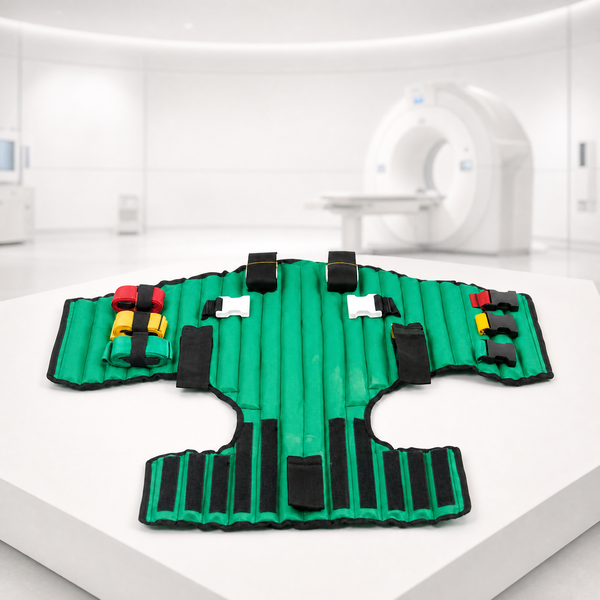
Understanding the Technical Knowledge Behind Pediatric Immobilization
Having a solid grasp of the technical aspects behind pediatric immobilization products is vital for effective procurement. Understanding how these products function can help buyers make better decisions. Key technical considerations include:
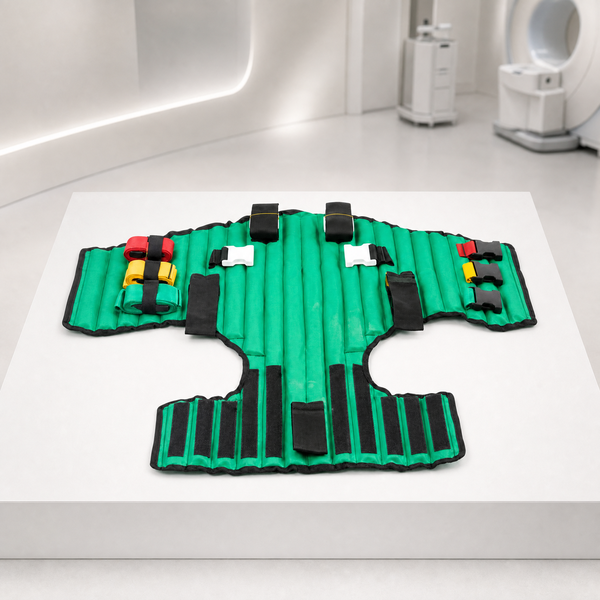
Immobilization Techniques: Different immobilization techniques, such as splinting or bracing, may require varying product designs. Familiarizing yourself with these methods can influence the types of products you select.
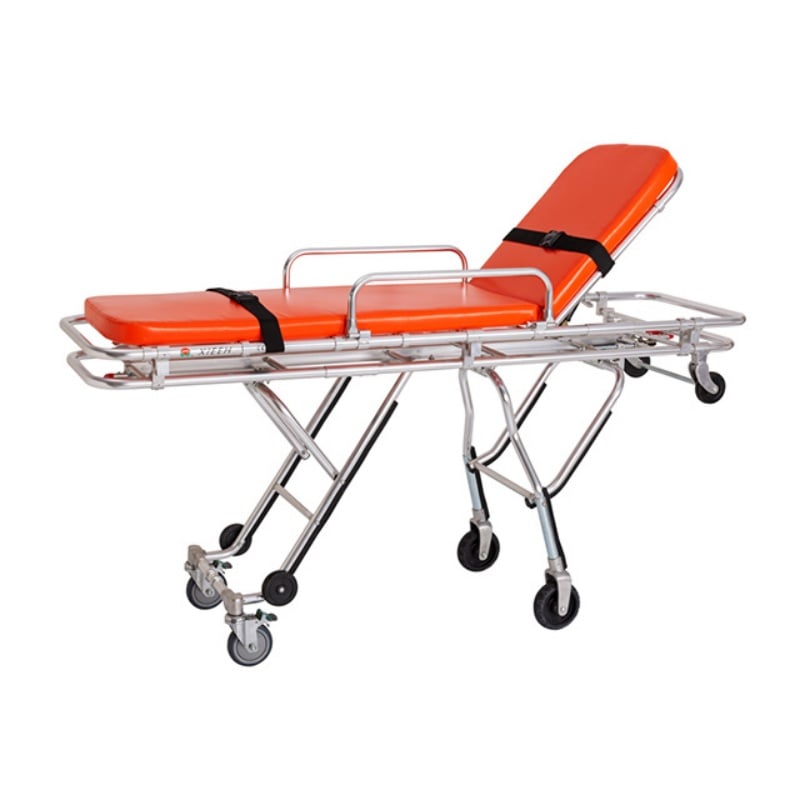
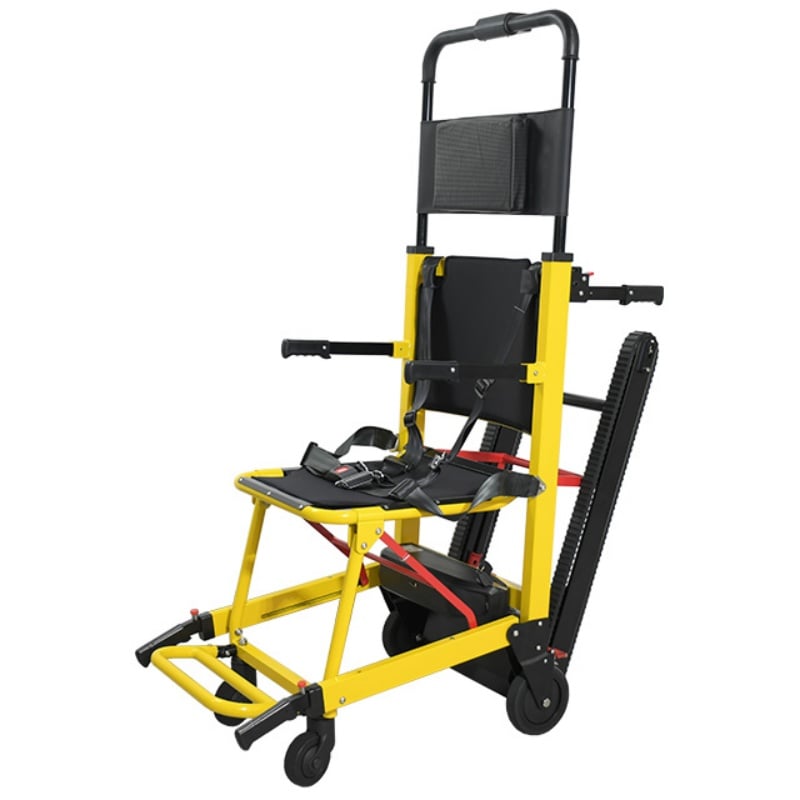
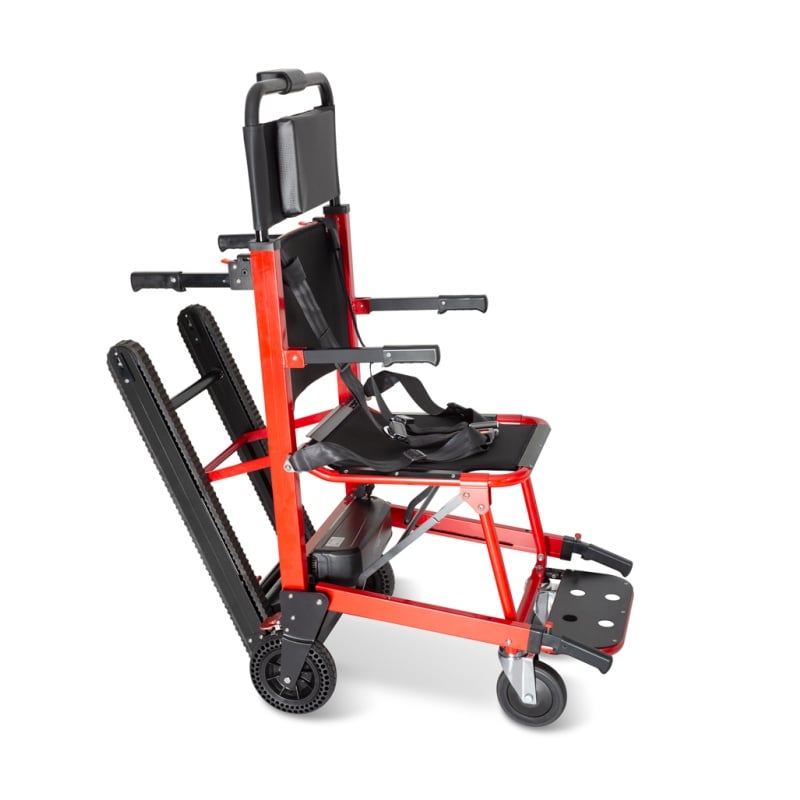
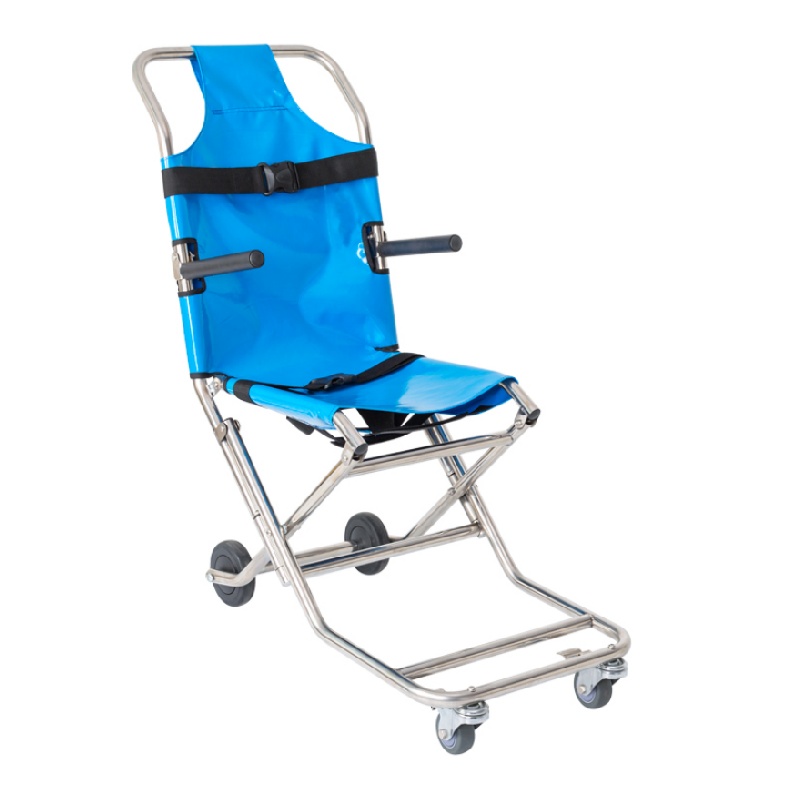
Compatibility with Other Equipment: Ensure that the immobilization devices are compatible with other medical equipment, such as stretchers and transport systems. This compatibility can streamline emergency response efforts.
Usability Under Pressure: Assess how easily the products can be deployed in high-stress scenarios. Quick application features, including intuitive designs and easy-to-follow instructions, can drastically affect patient outcomes.
Regulatory Compliance: Familiarize yourself with the regulatory landscape surrounding pediatric medical equipment. Compliance with local and international standards ensures that the products are safe and effective.
Investing time in understanding these technical aspects can lead to more informed decisions and better outcomes for both patients and healthcare providers.
By focusing on these critical areas, B2B buyers can confidently navigate the complexities of sourcing quality pediatric immobilization products that meet their specific needs and enhance their operational efficiency.
 EN
EN