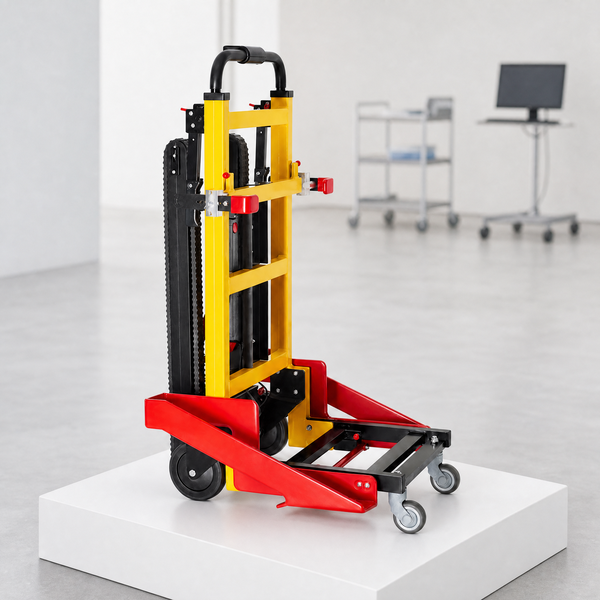
Home Stair Lifts: Choosing Reliable Suppliers

Zhangjiagang Xiehe Import & Export Co., Ltd.

application/home-stair-lifts, application/home-stair-lifts, 
Inquiry
Inquiry

home stair lifts

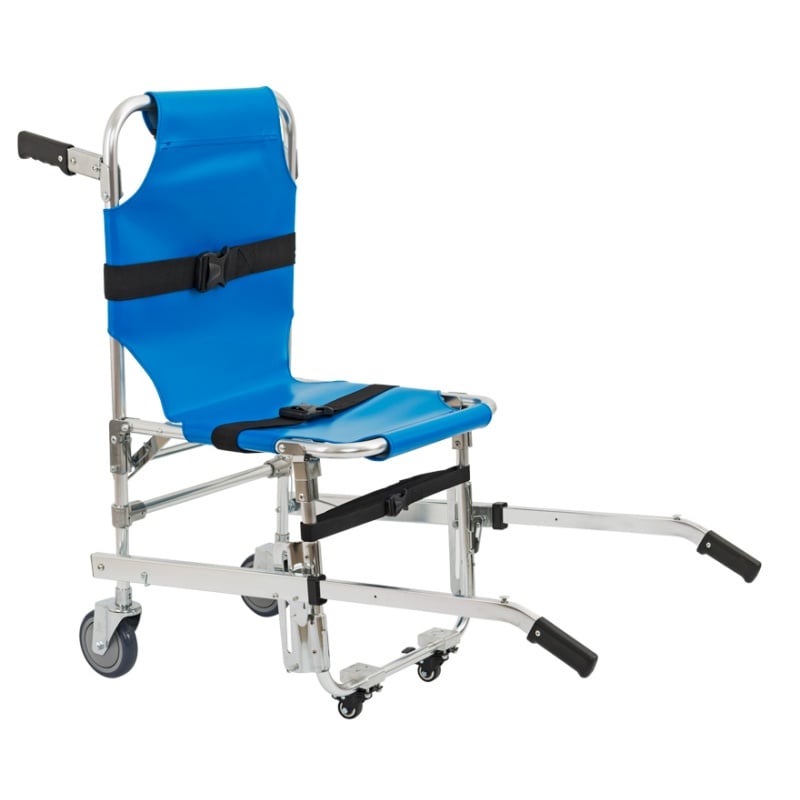
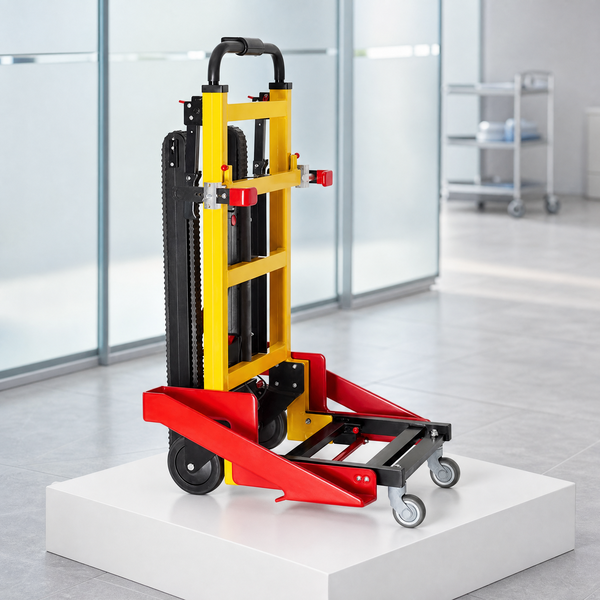
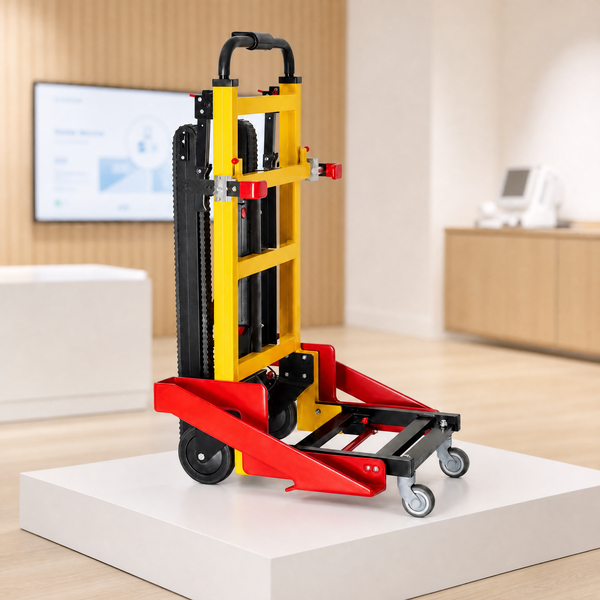
Home  stair lifts are essential  mobility solutions designed to assist  individuals in  navigating stairs safely and comfortably.  For B2B buyers, such as purchasing managers or distributors in  the healthcare and home  improvement sectors, the primary concerns  often  revolve around product reliability, installation  requirements,  and  potential issues that  may arise during operation. This article aims to provide practical insights on choosing  reliable suppliers, installation guidelines, common  problems, sourcing  options,  and material  comparisons in the home  stair  lift market.

Why choose XieHe home stair lifts

How to Choose Reliable Suppliers for Home Stair Lifts

Selecting a  dependable supplier for home stair lifts is crucial for ensuring quality and reliability. Here are key considerations to help guide your evaluation:

Certifications and Compliance: Ensure that the supplier adheres to recognized industry standards such  as CE, FDA, and ISO 13485. These certifications indicate that  the  stair lifts meet safety and quality requirements essential for  end-users.

Experience and Reputation: Look for suppliers  with a proven track record in the industry. Companies that  have been in the business for several years often have established quality control processes and a better understanding of customer needs.

Customization Capabilities: Since home stair  lifts may need to be tailored to specific customer requirements, assess the  supplier’s ability to provide customization. This includes options for different stair configurations, weight capacities, and additional features.

Service and  Support: Evaluate the  level  of customer  service,  including warranty terms, maintenance support, and  response times.  A reliable supplier should offer comprehensive after-sales support to address  any operational issues, including a range of Funeral Home Products that may complement their offerings.

By focusing on these factors, buyers can make  informed decisions that lead to successful partnerships with suppliers of  home stair lifts.

Frequently Asked Questions

Our Blog Posts

What Our Partners Say

Key Installation Guidelines for Home Stair Lifts in Various Settings

Key Installation Guidelines for Home Stair Lifts in Various Settings

Proper installation of home stair lifts is critical for safety and functionality. Here are guidelines applicable to different settings:

Residential Installations: For standard  straight stairs, ensure that the stair lift is  installed along  the side  of  the staircase with a secure mounting system. Check that the rail is level and  that  the lift operates smoothly along the tracks.

Curved Stairs:  When dealing with curved staircases, it is vital to have a stair lift custom-designed to fit the unique contours of the stairs.  Accurate measurements and professional installation are necessary  to prevent operational issues.

Outdoor Installations: For outdoor stair lifts, select weather-resistant materials and ensure  that the installation site is free from debris. Additionally, consider protective  coverings to shield the lift from environmental factors.

Safety Features: Verify that  safety features such as seat belts, automatic  brakes, and swivel seats are properly  integrated during installation. These features are  essential for  user safety and compliance  with  regulations.

By adhering to these guidelines, buyers can ensure that home stair lifts are installed correctly,  enhancing user safety and satisfaction.

Common Problems with Home Stair Lifts and Effective Solutions

Common Problems with Home Stair Lifts and Effective Solutions

Despite their  reliability,  home stair lifts can encounter issues. Understanding common problems  and their solutions is vital:

Power Failures: Home stair lifts typically rely  on  electricity. In cases of power outages, having a  battery backup system can ensure continued operation.  Ensure  that the supplier offers lifts with robust backup options.

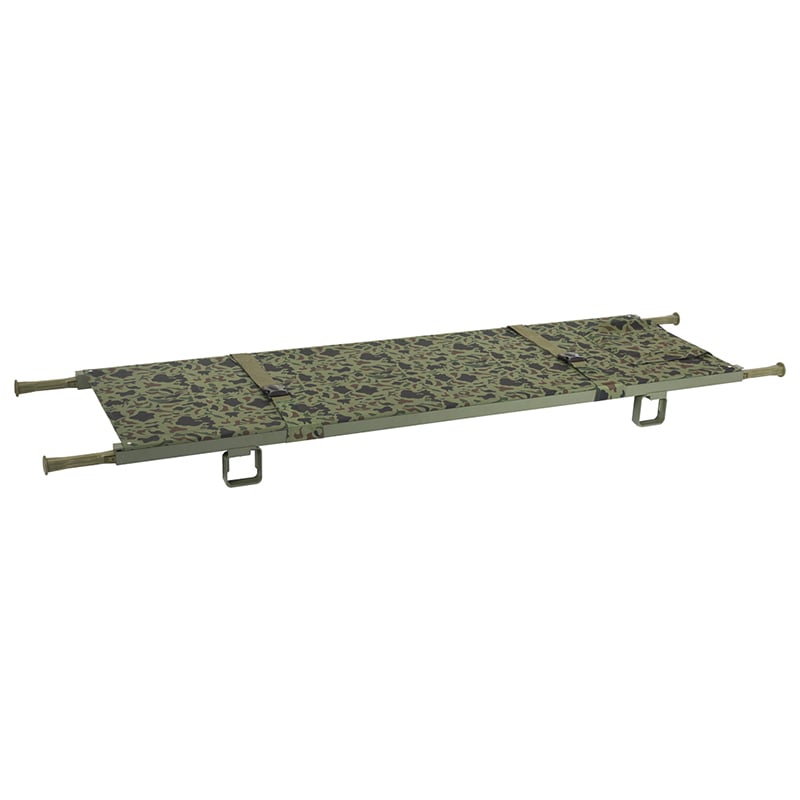
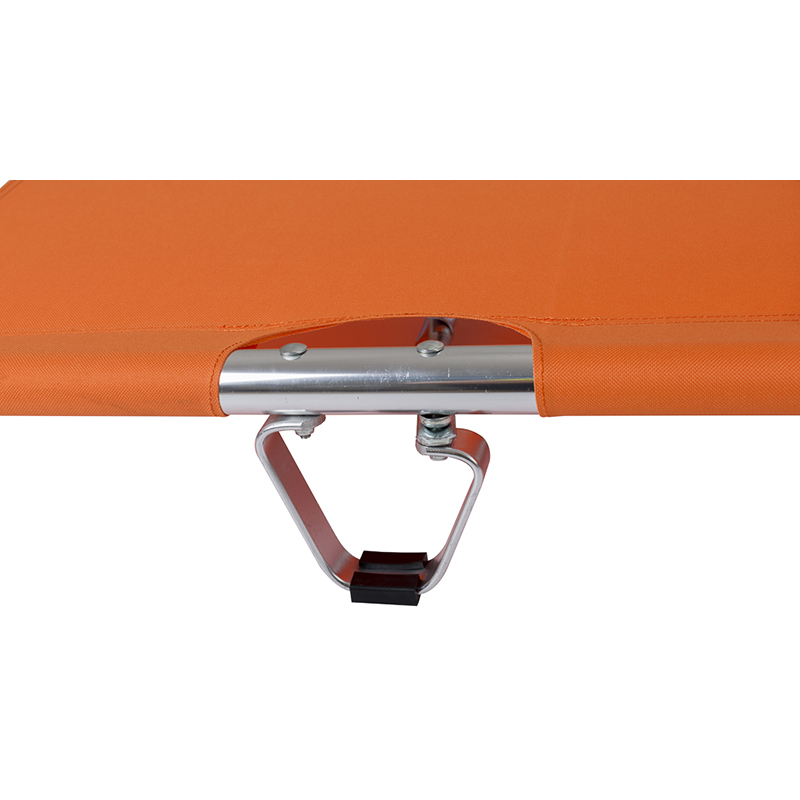
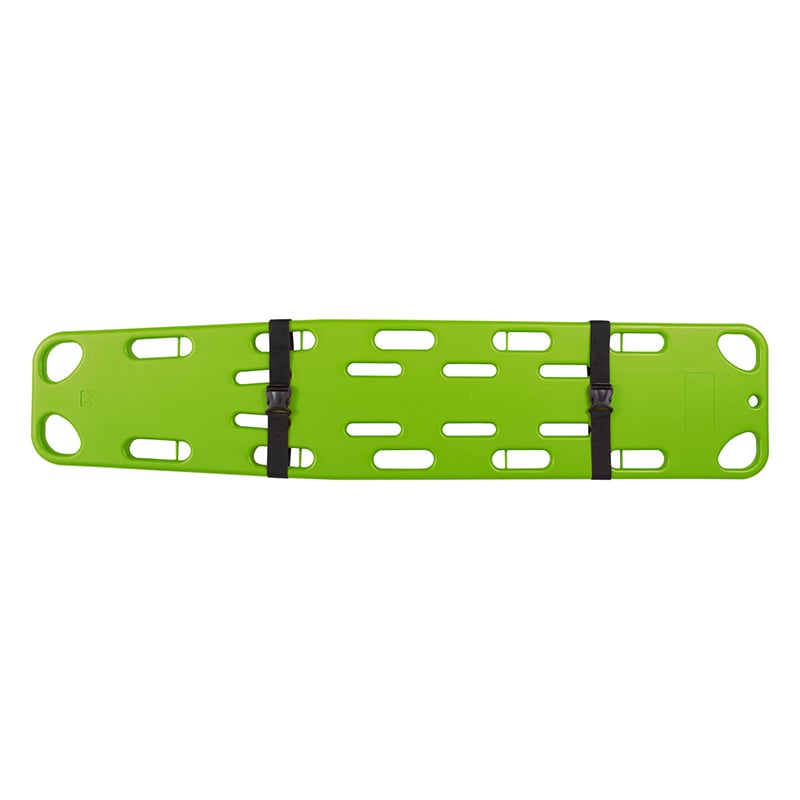
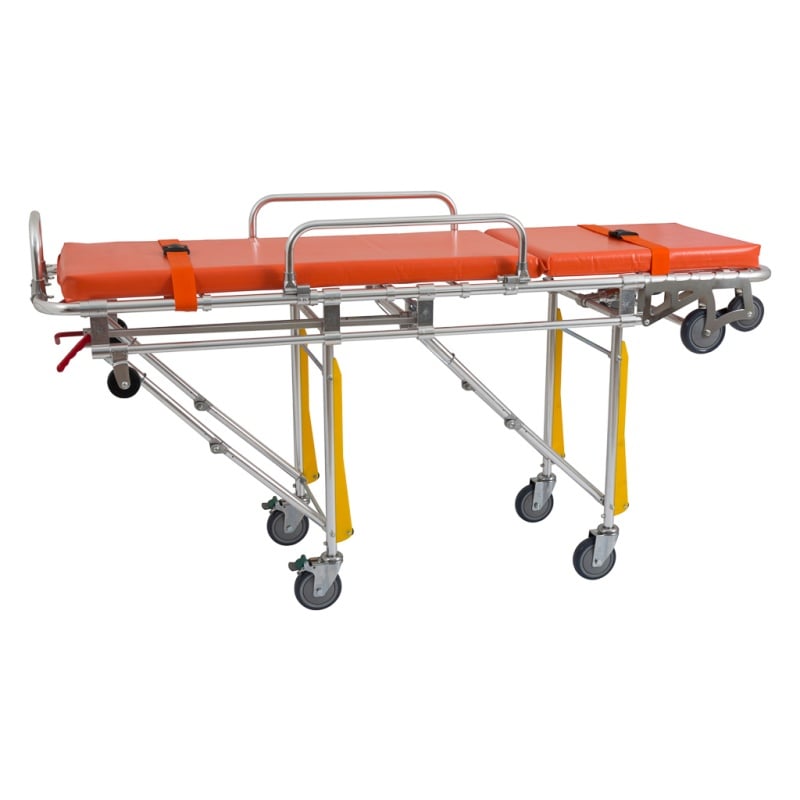
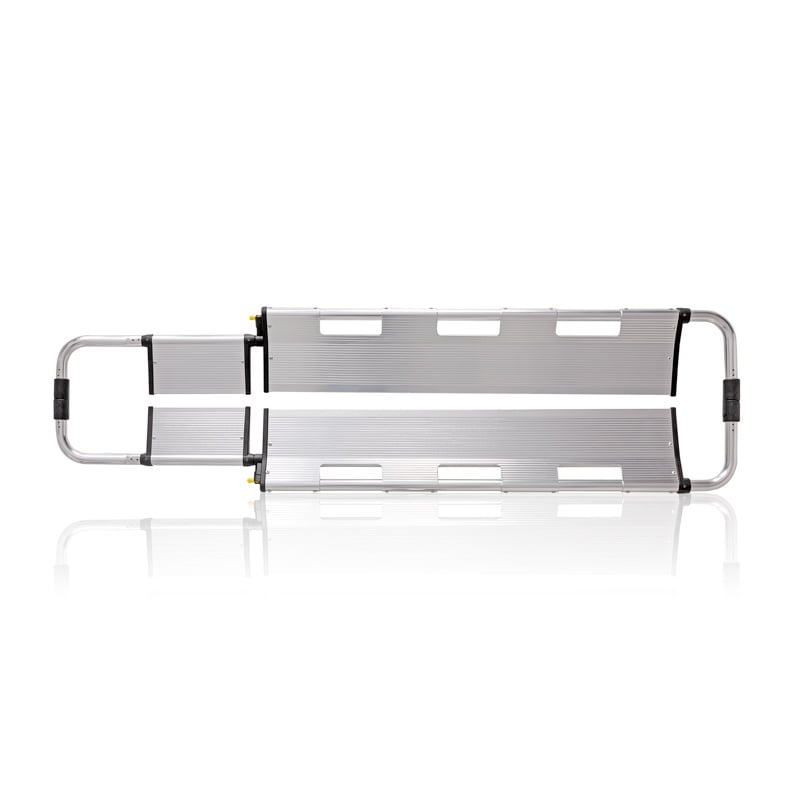
Mechanical Malfunctions: Regular maintenance is crucial to prevent mechanical failures. Suppliers should provide maintenance guidelines and support to help  buyers  keep the lifts in optimal condition, including the use of quality Stretcher products for emergency situations.

User Errors: Improper use  can lead to safety hazards. Suppliers should offer comprehensive training for users on how to  operate the stair lift, including emergency procedures.

Installation Issues: If the  stair lift does not function correctly, it may  be  due to installation errors. Buyers should confirm that installation was performed by qualified technicians,  and they  should have access to troubleshooting support.

By proactively  addressing these common issues, buyers can  enhance the longevity and reliability of home stair lifts.

Where to Source High-Quality Home Stair Lifts for Distributors

Where to Source High-Quality Home Stair Lifts for Distributors

Distributors seeking high-quality home stair lifts  can enhance their offerings by sourcing from  reputable manufacturers. Here are some strategies:

Attend Trade Shows: Participating in industry trade shows provides opportunities to  meet manufacturers, see products firsthand, and discuss customization options. This direct engagement can help in  selecting the right supplier.

Online Marketplaces:  Utilize B2B platforms to compare various suppliers and view customer  reviews. Look  for  suppliers  that specialize in mobility products and  have a solid reputation in the industry.

Networking with Industry Peers: Engaging with other distributors and industry  professionals can  yield  valuable recommendations for reliable manufacturers.  Peer insights can guide you to reputable companies known for quality and innovation.

Request Samples: Before committing to a large order, request samples  to evaluate the quality, performance, and user-friendliness of the stair lifts. This hands-on approach ensures that the  products meet your  standards.

By  employing these sourcing strategies, distributors can secure  high-quality home stair lifts that cater to their customer base effectively.

Comparing Material Advantages in Different Home Stair Lift Models

Comparing Material Advantages in Different Home Stair Lift Models

The materials used in home stair lifts  significantly impact performance, durability, and user experience. Here are key material considerations:

Aluminum vs. Steel: Aluminum  stair lifts are lightweight and  resistant to corrosion, making them  ideal for outdoor applications. Steel stair lifts, on the other hand, offer greater strength and durability, suitable for heavy-duty use.

Seat Fabric: The choice of seat fabric can affect  comfort and maintenance. Upholstered seats provide comfort but may require more  upkeep, while molded plastic seats  are easier to clean and maintain.

Rail Materials: The rail  system must  be sturdy enough to support  the lift's weight. Look for suppliers that use high-quality, reinforced materials  to ensure safe  operation over time.

Finish and Coatings: The finish on the stair lift can affect its resistance to scratches and weather conditions.  Powder  coating  is often preferred for its  durability and aesthetic appeal.

Understanding these material differences allows buyers to make informed choices that align with their specific application needs and customer preferences.

By focusing on these aspects, buyers can ensure they make well-informed decisions  when sourcing and  purchasing home stair lifts.