Choosing the Right Handicap Stair Lift for Accessibility

Zhangjiagang Xiehe Import & Export Co., Ltd.

application/handicap-stair-lift, application/handicap-stair-lift, 
Inquiry
Inquiry

handicap stair lift

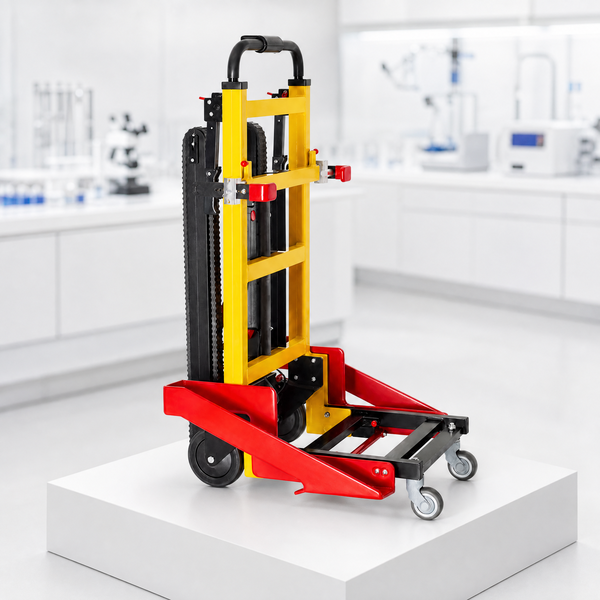
When  considering accessibility solutions for multi-story buildings, a handicap stair  lift is  an essential product that  significantly  enhances mobility for individuals with disabilities. These systems provide  a safe and efficient means for users  to navigate stairways, addressing key concerns  such  as safety, reliability,  and ease of  use. This article will guide purchasing managers, contractors,  and product managers in selecting  the  right  handicap  stair lift, evaluating specifications, understanding costs,  and gaining insights  from a  contractor’s  perspective.

Why choose XieHe handicap stair lift

Our Products

Choosing the Right Handicap Stair Lift for Your Project Needs

Selecting the appropriate handicap stair lift requires a  thorough understanding of both  the user’s needs and the  architectural constraints  of the  building. Key  considerations  include the type of stair configuration—straight, curved,  or multi-level—and the lift’s weight capacity, which should accommodate the user along with  any necessary equipment. Additionally, consider  the operational environment. Indoor lifts  may need different  materials or finishes  compared to outdoor models, which must withstand weather  conditions. Customization options are also critical; for instance, adjusting the seat  height or adding safety  features like seat belts can enhance user experience. Engaging with  a manufacturer that  offers tailored solutions, such as Zhangjiagang Xiehe  Import Export Co., Ltd., can ensure that the  stair lift meets specific project requirements. For those looking for a variety of options, exploring Funeral Home Products can also provide additional insights into related accessibility solutions.

Frequently Asked Questions

Our Blog Posts

What Our Partners Say

Key Specifications to Evaluate in Handicap Stair Lifts

Key Specifications to Evaluate in Handicap Stair Lifts

When assessing handicap stair lifts, several  key specifications should be evaluated to  ensure optimal performance and safety:

Weight Capacity: This specification determines how much weight  the lift can safely carry.  It’s essential to confirm that the lift can accommodate the user along  with any additional items they may carry.

Travel Distance: Measure the total vertical  height the lift must cover. Stair lifts are often  designed for specific travel distances;  thus, understanding this measurement is crucial for proper selection.

Speed: The operating speed of the lift should be comfortable for users.  Standard  speeds range from  0.1 to 0.4 meters per second, which balances user comfort with efficiency.

Safety Features: Look for features such as safety belts, emergency stop  buttons, and sensors that prevent the lift  from operating if  an obstacle is detected.


Power Source: Assess whether the stair lift operates on AC power, batteries, or  both. Battery-operated models provide greater flexibility, especially in case  of power outages.

Control Options: User-friendly controls, whether through a joystick or  remote, enhance usability. Ensure that  controls are easily accessible and intuitive for users.

Buyers should verify these specifications with manufacturers to ensure  compliance with local regulations and safety standards.

Wholesale Purchasing Tips for Handicap Stair Lifts

Wholesale Purchasing Tips for Handicap Stair Lifts

When purchasing handicap  stair  lifts in bulk, several strategies can help secure favorable terms and ensure quality:

Request Samples:  Before finalizing an order, it is advisable to request a sample unit. This allows  for firsthand evaluation of functionality,  safety features, and ease of installation.


Understand Minimum Order Quantities (MOQ): Manufacturers often have  a minimum order quantity. Knowing this will help in  negotiating bulk pricing  and understanding inventory requirements.

Quality Assurance: Evaluate the manufacturer's  quality control processes.  Certifications such as CE, FDA, and ISO  13485, as held by Zhangjiagang Xiehe Import Export Co., Ltd., indicate adherence to international quality standards.


Shipping and Logistics: Clarify shipping terms, including lead times and packaging standards. Ensure that the manufacturer can meet your delivery schedules and that products are packaged securely to avoid damage during transport.


Customization Options: Discuss  customization capabilities  upfront. Manufacturers that can tailor stair  lifts  to specific project needs will be more beneficial in the long  run.

Evaluate Supplier Reputation:  Research the manufacturer’s reputation in the industry. Reviews from previous clients and case studies can provide insights into product performance and customer service.

Understanding the Cost Factors of Handicap Stair Lifts

Understanding the Cost Factors of Handicap Stair Lifts

The cost of  handicap stair lifts can vary significantly based on several factors. Understanding these can  help buyers make  informed budgeting decisions:

Type of Lift: Curved stair  lifts typically cost more than straight lifts due to the complexity of manufacturing and installation. Customizations  can further  add  to the cost.

Installation Costs: Consider whether the manufacturer includes installation in the price or if this will be a separate expense.  Professional installation is often recommended to ensure safety and compliance.

Material Quality: Higher quality  materials will generally  result in longer-lasting products but will also increase initial costs. Evaluate  the trade-offs between upfront  investment and  long-term durability.

Additional Features: Extra features such as advanced safety systems, upgraded seating, and specialized controls will increase the price. Determine which features are non-negotiable versus  those that  can be omitted.


Maintenance and Warranty: Factor in the long-term costs  of maintenance and  warranty services. A robust warranty can  save significant costs down the line.

By analyzing these cost factors, buyers can better align their purchasing  decisions with their budget constraints while ensuring quality.

A Contractor's Perspective

A Contractor's Perspective

From a contractor's viewpoint, integrating handicap stair lifts into projects presents both challenges and opportunities. Key aspects  to consider include:

Site Assessment: Before installation, a thorough site  assessment is essential. This includes measuring stair  dimensions,  evaluating load-bearing capacity, and identifying potential obstacles.

Collaboration with Suppliers: Establishing  a strong relationship with suppliers can facilitate smoother project execution. Suppliers should be responsive and provide timely updates on  production and delivery schedules.

Installation Considerations: Pay  close attention to installation guidelines provided by the manufacturer. Contractors should be familiar  with local codes and  regulations governing accessibility  devices to ensure compliance.

Client Education: Educating clients about the functionality and maintenance of handicap stair lifts  is crucial. Providing user training can enhance  satisfaction and safety for end-users.

Feedback Loop: After  project completion, seek feedback  from users to identify any issues with the stair lift's performance. This feedback can inform future projects and  strengthen relationships with both clients and suppliers.

By understanding these practical considerations, contractors can enhance their service offerings and ensure successful  project outcomes. In addition, exploring options like the Electric Stair Chair or Manual Stair Chair can provide further solutions to enhance accessibility.

In summary,  selecting the right  handicap stair lift involves careful consideration of user needs, specifications, and cost factors. By leveraging  insights from manufacturing and installation experiences, purchasing managers and contractors can  make informed decisions that enhance accessibility and safety in multi-story buildings.