Choosing the Right Examination Bed for Your Facility

Zhangjiagang Xiehe Import & Export Co., Ltd.

application/examination-bed, application/examination-bed, 
Inquiry
Inquiry

examination bed

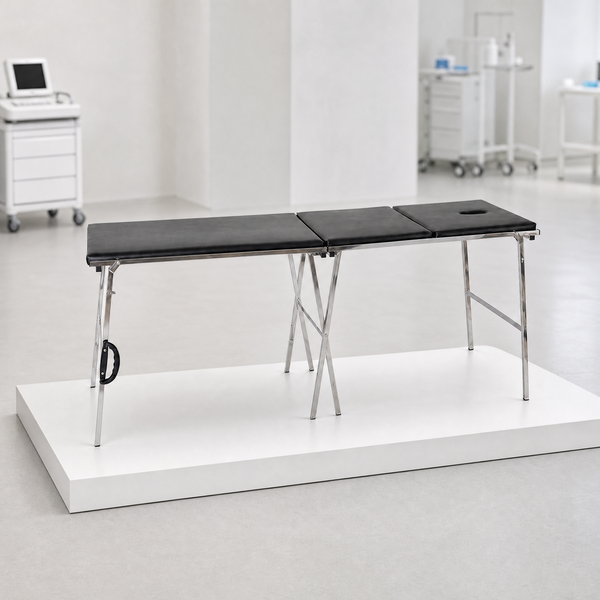
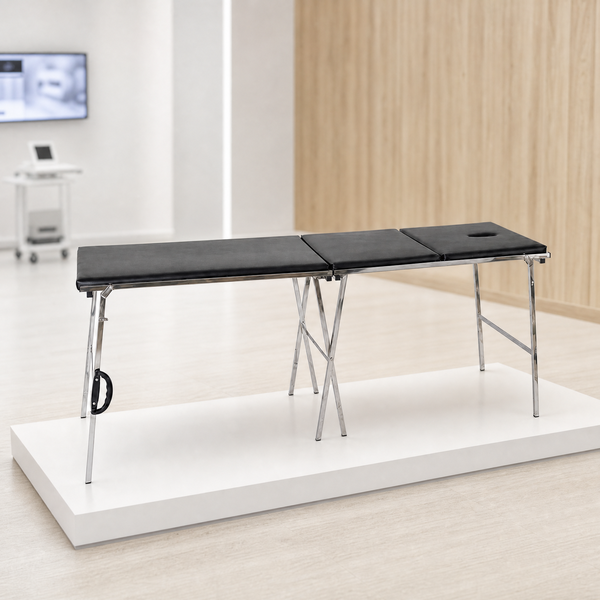
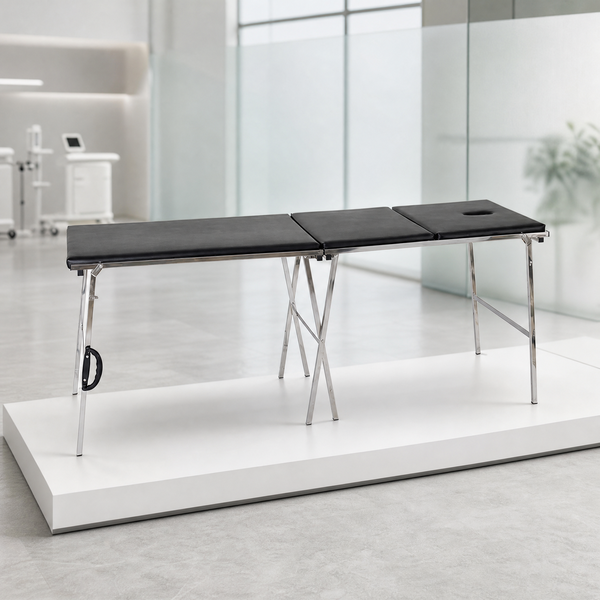
An examination bed is an essential piece  of  medical furniture designed to facilitate patient assessments  and treatments in various  healthcare  settings, including hospitals,  clinics, and outpatient  facilities. For purchasing managers and healthcare facility administrators, selecting the  right examination bed involves understanding specific requirements  related  to functionality, safety,  and comfort. This article aims  to guide  you through the key considerations when choosing an  examination  bed, including  product specifications,  cost factors, and common issues, ensuring you make  an informed  purchasing decision.


Why choose XieHe examination bed

Choosing the Right Examination Bed for Your Facility's Needs

When selecting an examination bed, it is  vital to consider the specific needs of your facility. Factors such as  the type of examinations  conducted, the typical patient demographic, and available space play a crucial role in your decision.

Functionality: Determine whether the examination  bed  needs to be  adjustable, as many patients may require different positions during assessments. Look for models that offer manual or  electric adjustment  features for height and  backrest  angle to enhance patient comfort and ease of use for medical staff.

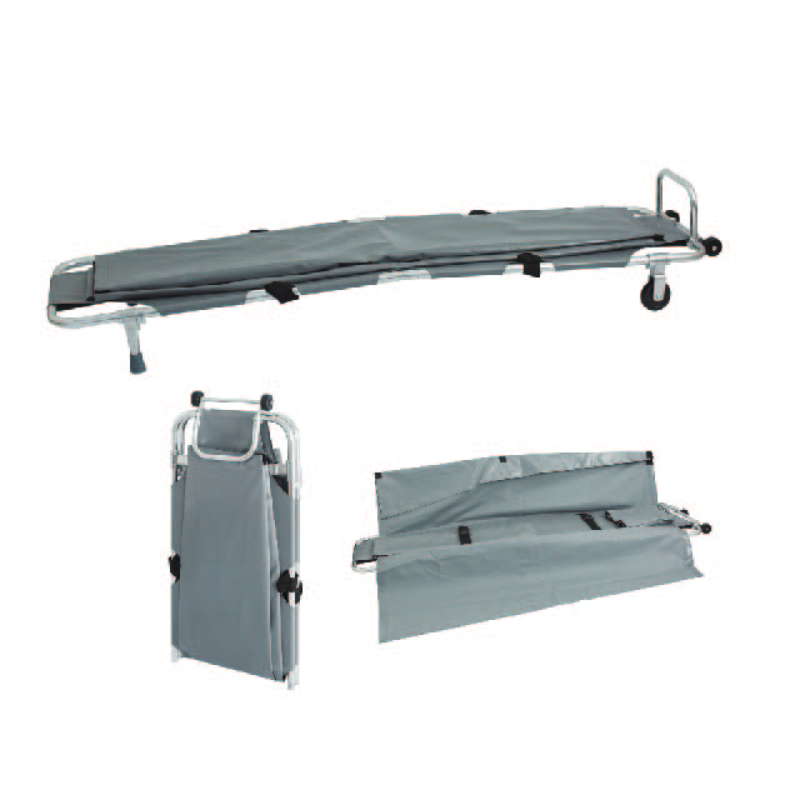
Material and  Design: The materials used in the construction of the examination bed are essential for both durability and hygiene. Many examination beds feature a  steel  or aluminum frame with high-density  foam padding covered in easy-to-clean vinyl. Consider beds with antimicrobial properties  to enhance infection control, especially  in high-traffic areas. For example, the YXH-1H Folding Stretcher is designed with such features in mind.

Size and  Weight Capacity: Ensure  the bed can accommodate your patient population, including those with mobility issues or higher weight requirements. Many examination beds have a standard width of 28 to 30 inches  and can support up to 400 pounds, but confirm these specifications  based on your needs.

Frequently Asked Questions

Our Blog Posts

What Our Partners Say

A Buyeru2019s Guide

A Buyeru2019s Guide

When purchasing an  examination  bed, follow this structured approach to  simplify your decision-making process:

Assess  Your Needs:  Identify the specific applications for  the examination bed, including the types of examinations performed and  the frequency of use.

Research  Suppliers: Look for manufacturers, like Zhangjiagang Xiehe Import Export Co., Ltd., that offer  CE/FDA/ISO 13485-certified products, ensuring compliance with international safety  and quality standards.

Request Specifications: Obtain detailed product specifications from suppliers, including  dimensions, weight capacity, materials used, and customization options.

Evaluate Costs:  Compare  prices across  different suppliers while considering  the  total  cost of ownership, including maintenance and potential  replacement  parts.

Check Reviews and References: Seek feedback from other users to gauge the reliability and performance of the examination bed.

 
Cost Factors to Evaluate When Purchasing Examination Beds

Cost Factors to Evaluate When Purchasing Examination Beds

Several cost factors should be  considered when purchasing an examination bed to ensure you receive the best value:

Initial Purchase Price: This is the most obvious cost, but it is essential to balance price  with quality. Investing in a higher-quality bed may lead to lower maintenance and replacement costs in the long run.

Customization Costs: If  your facility requires specific features, such  as additional storage  or unique dimensions, be aware  that customization may incur additional  costs. Discuss these  requirements upfront with your supplier.

Shipping and Handling:  Depending on  the supplier’s location and your facility's distance, shipping  costs can vary significantly.  Ensure you  factor in these costs when  budgeting for your examination bed.


Warranty and After-Sales Support: A reliable warranty can  add value  to your purchase. Understand  what the warranty covers and the duration, as well as  the  manufacturer's support options.

Common Problems with Examination Beds and Their Solutions

Common Problems with Examination Beds and Their Solutions

While examination beds are designed for durability, they can encounter some common issues. Here are solutions to avoid or address these problems:

Wear and Tear: Over time, the upholstery can become worn,  making it less  hygienic  and comfortable. Regular maintenance checks can help identify  these  issues  early.  Consider  using beds with removable, washable covers for easier upkeep.

Mechanical Failures: Electric  examination beds may experience  mechanical issues.  Ensure that the manufacturer provides  a comprehensive warranty and efficient  customer support  for repairs or replacements.


Instability: If an examination bed wobbles or feels unstable, it can pose a safety risk.  Always check  that the bed is properly assembled and regularly  inspected for loose  bolts or connections.

 
How to Select Examination Beds for Diverse Medical Environments

How to Select Examination Beds for Diverse Medical Environments

Different medical environments may have unique requirements  for  examination  beds. Here’s how to select the right  bed for various settings:

Hospitals: For  hospitals, choose beds that can accommodate diverse patient needs, including adjustable height and backrest functions, as well as higher weight capacities. Look for models that comply with rigorous safety standards.

Clinics and Outpatient Facilities: In these settings, durability and easy cleaning are  critical. Opt for lightweight beds that can be easily moved and stored, yet provide robust support  for patients.

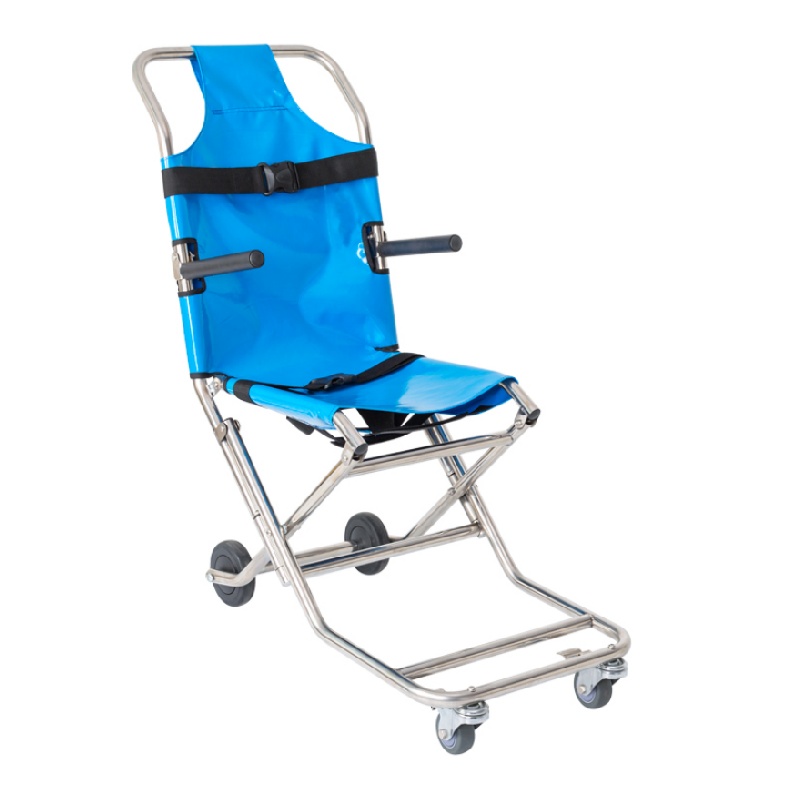
Emergency Services: For emergency settings, consider examination beds that can double as  stretchers, allowing for easy  patient transport. These  beds should be easy to  clean and made from materials resistant to blood and bodily fluids. The YXH-5P Stair Stretcher is a great example of such a versatile solution.

Specialized Care Facilities: If you are equipping a facility for specialized care (e.g., pediatrics or geriatrics),  consider  beds with added features like side  rails for safety, as  well as adjustable components to cater to different patient sizes and conditions.

By understanding the  specific requirements of your medical environment, you can select  examination  beds that not only meet safety and operational  standards but also enhance  patient care and comfort.