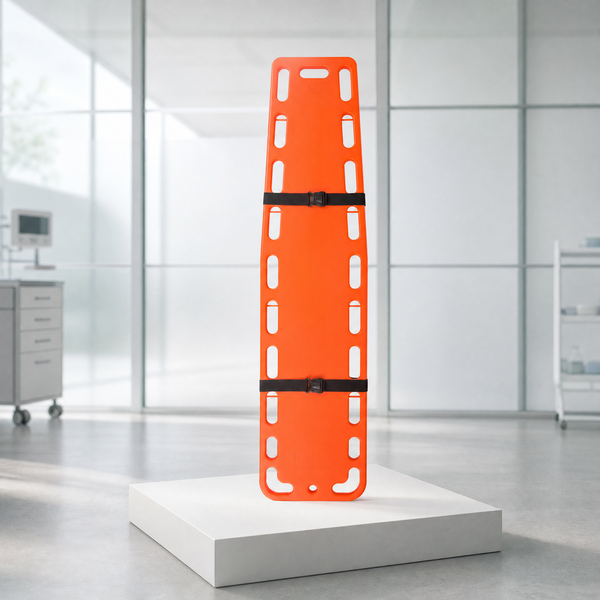
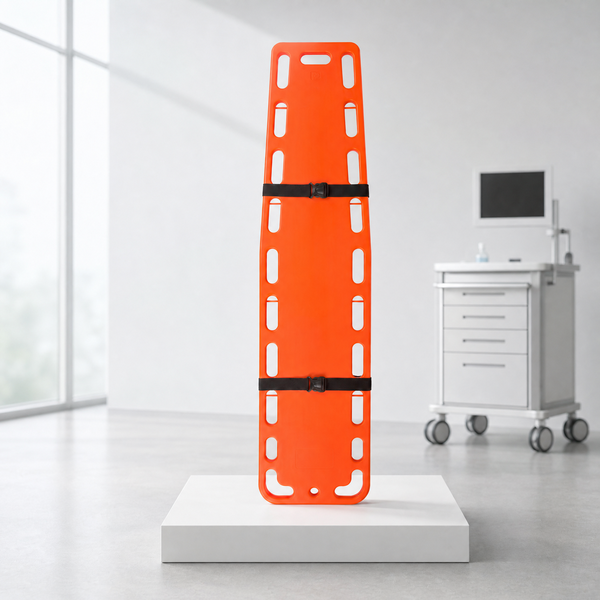
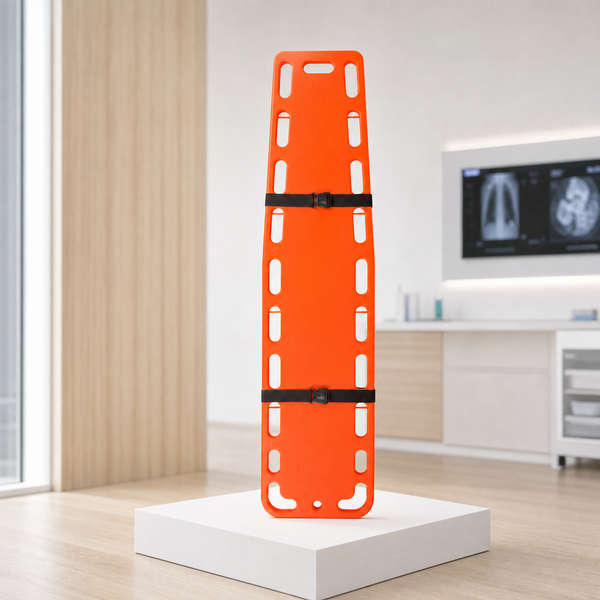
Common Problems with Emergency Spine Boards and Effective Solutions
Emergency spine boards, while essential, can present challenges. Here are common issues and practical solutions:
Inadequate Patient Stabilization: If the board does not secure the patient effectively, it can compromise safety. Solutions include using additional restraints or selecting boards with integrated immobilization features.
Material Wear and Tear: Over time, boards can suffer from scratches or cracks, which may affect their performance. Regular inspections and a planned maintenance schedule can help identify issues before they become critical.
Poor Visibility: In low-light situations, boards that are not brightly colored can be hard to see. Select boards with high-visibility colors or consider adding reflective tape to enhance visibility.
Complicated Cleaning Processes: If the material is porous or difficult to clean, it can pose infection control challenges. Choose non-porous materials that are easy to disinfect after each use.
Storage and Transport Difficulties: Boards that are too bulky or heavy can complicate transport. Opt for lightweight designs that can be easily handled and stored without taking up excessive space.
Addressing these common issues proactively can enhance performance and safety, ensuring that the emergency spine boards function effectively in critical situations.
 EN
EN