Key Specifications for Resuscitation Masks

Zhangjiagang Xiehe Import & Export Co., Ltd.

application/resuscitation-mask, application/resuscitation-mask, 
Inquiry
Inquiry

Resuscitation mask

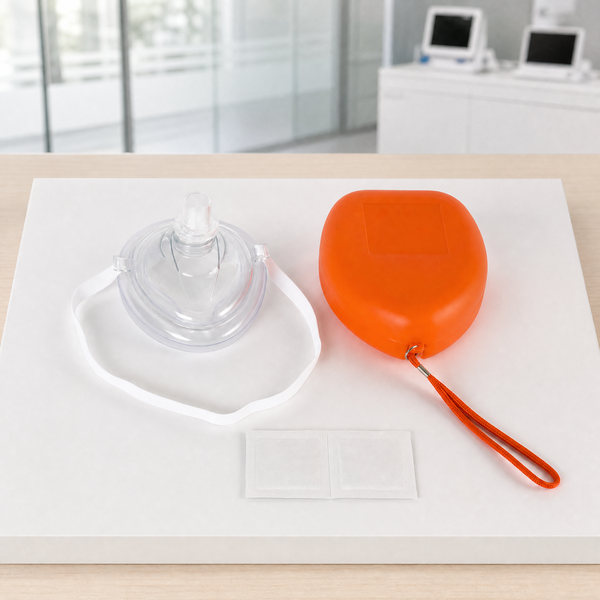
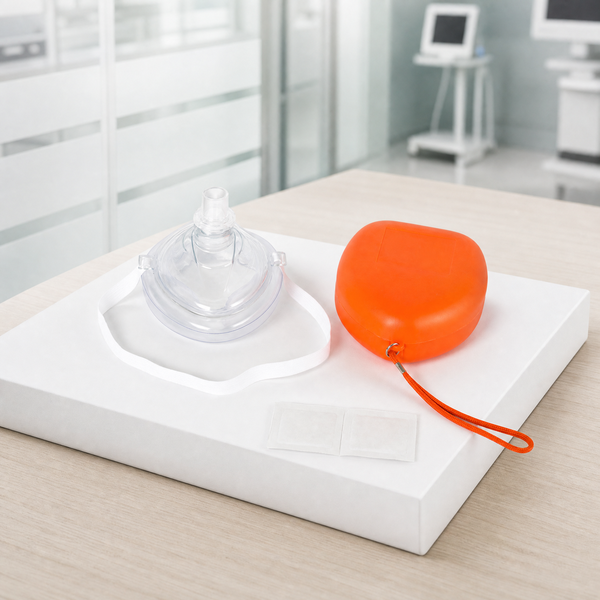
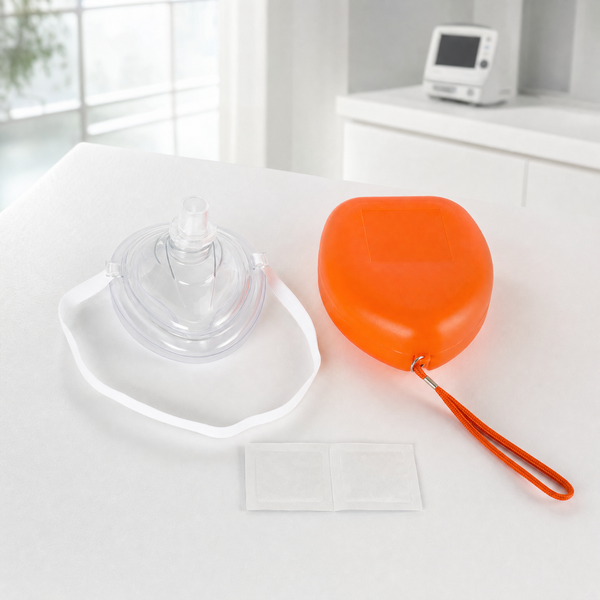
In emergency medical situations, the resuscitation mask is a critical device designed to ensure effective ventilation for patients in need. As a B2B buyer, understanding the specifications, applications, and potential challenges of sourcing cpr resuscitator is essential for making informed purchasing decisions. This article will provide insights into evaluating product specifications, installation guidance, common problems, practical applications, and vital information every buyer should know to enhance their procurement process. 

Why choose XieHe Resuscitation mask

Key Specifications to Evaluate When Sourcing Resuscitation Masks

When sourcing resuscitation masks, several key specifications must be evaluated to ensure the product meets your needs. First, consider the material composition of the mask. Typically made from soft, flexible materials such as silicone or PVC, the choice of material affects comfort, durability, and ease of cleaning. A mask that is too rigid may not create an adequate seal, leading to ineffective ventilation. 

Next, examine the size and design of the mask. Resuscitation masks come in various sizes to accommodate different patient demographics—from infants to adults. A properly sized mask ensures a secure fit, which is vital for effective air delivery. The design should also include a one-way valve to prevent exhaled air from re-entering the mask, thus minimizing the risk of contamination. 

Additionally, assess the masks’ compatibility with other emergency equipment, such as oxygen tanks and bag-valve masks. This compatibility is crucial for seamless operation during critical care situations. Lastly, verify the manufacturer's certifications, such as CE, FDA, and ISO 13485, which indicate compliance with international quality and safety standards.

Frequently Asked Questions

What is a resuscitation mask used for?

A resuscitation mask delivers breaths during CPR, protects rescuers and patients, and helps maintain an airway for emergency ventilation.
Yes. Our masks are produced under CE, FDA and ISO 13485 standards to meet international safety and quality requirements.
Yes. We provide customization options including size, material, packaging, and branding to fit clinical and emergency needs.
Masks are available in medical-grade silicone or PVC, and in adult, pediatric, and infant sizes to suit different patient groups.
Contact our sales team to discuss orders, minimum quantities, pricing, and distributor opportunities across our global network.

Our Blog Posts

What Our Partners Say

Installation Guidance for Effective Use of Resuscitation Masks

Installation Guidance for Effective Use of Resuscitation Masks

Proper usage of XieHe resuscitation masks is essential for ensuring effective ventilation. Begin by assessing the patient's needs—determine if they require mouth-to-mask ventilation and ensure the mask is appropriately sized. When positioning the mask, place it over the patient’s nose and mouth and ensure a tight seal by applying gentle pressure with your hand. 

To facilitate ventilation, it is crucial to maintain an open airway. This can be achieved by tilting the patient's head back slightly to open the airway and prevent obstruction. Ensure that the one-way valve is functioning correctly, as this is essential for safe and effective ventilation. Practicing the correct technique through regular training can further enhance the effectiveness of resuscitation efforts. 

In emergency settings, speed is of the essence. Having a clear understanding of how to quickly and effectively deploy the mask can significantly impact patient outcomes. It’s advisable for buyers to invest in training sessions for their teams, ensuring they are familiar with the equipment and its use.

Common Problems with Resuscitation Masks and Their Solutions

Common Problems with Resuscitation Masks and Their Solutions

While XieHe resuscitation masks are vital in emergency situations, they can present challenges. One common issue is a poor seal, which can occur if the mask is not the correct size or if the patient's facial structure presents difficulties. To mitigate this, always have a range of mask sizes available and regularly assess inventory to ensure the right sizes are on hand. 

Another issue can arise from contamination. If masks are not adequately cleaned and sterilized between uses, there is a risk of transmitting infections. To combat this, establish strict cleaning protocols and consider using disposable masks when possible. 

Additionally, buyers should be aware of the potential for valve malfunction. Regular quality inspections and maintenance checks can help identify and resolve issues before they become critical. Implementing a scheduled inspection routine can ensure that all equipment is functioning properly and ready for use when emergencies arise. 

Applications of Resuscitation Masks in Emergency Medical Situations

Applications of Resuscitation Masks in Emergency Medical Situations

Resuscitation masks are primarily used in emergency medical situations where immediate ventilation is required, such as cardiac arrest, drowning, or severe respiratory distress. They are essential tools for first responders, including paramedics, firefighters, and emergency medical technicians (EMTs), who frequently encounter life-threatening scenarios. 

In addition to emergency services, these masks are also utilized in hospitals and clinics during critical care procedures. They are vital for patients undergoing anesthesia or sedation, as they ensure adequate ventilation and oxygen delivery, especially in situations where patients cannot breathe on their own. 

Moreover, resuscitation masks can be used in training environments for medical professionals and first responders. They provide a practical means for practicing ventilation techniques, ensuring that personnel are prepared for real-life emergencies. Buyers should consider the intended application when sourcing cpr mask kit, as this can influence required specifications, such as size, material, and additional features. 

What Buyers Should Know

When preparing to source resuscitation masks, buyers should gather essential information to facilitate a smooth procurement process. Start by determining the number of masks needed and the specific types required for your organization’s operations. Consider the intended use—whether for emergency situations, training, or medical procedures—as this will guide the selection of features and specifications. 

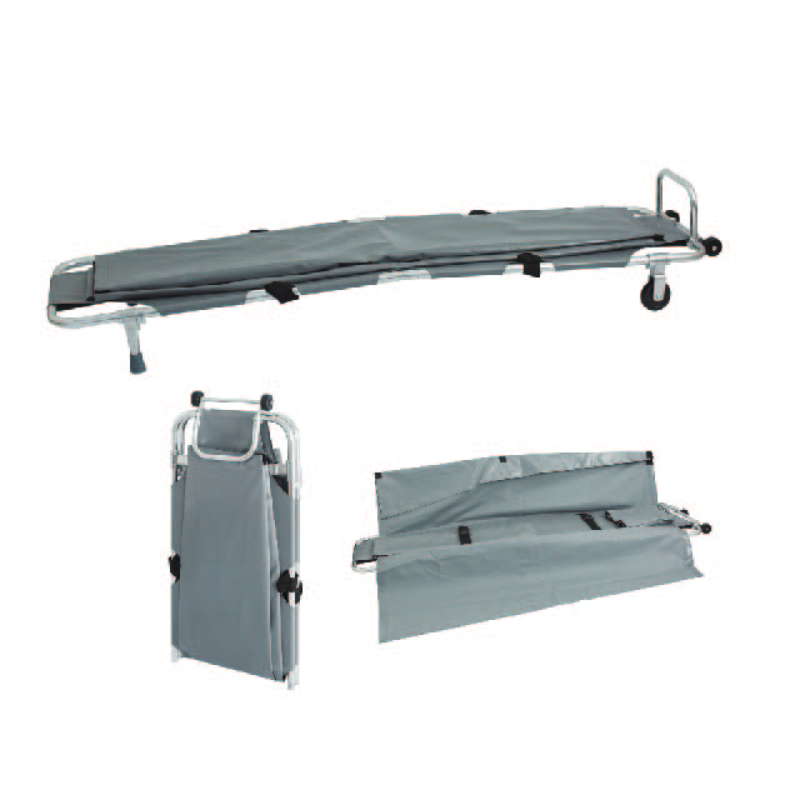
It’s also important to establish a relationship with a reputable supplier, like Zhangjiagang Xiehe Import Export Co., Ltd., which specializes in manufacturing high-quality medical equipment, including Folding Stretcher. Verify their certifications, production capabilities, and customization options to ensure they can meet your specific requirements. 

When requesting quotations, provide detailed information about your needs, such as material preferences, size variations, and expected lead times. Be prepared to discuss your operational environment, as factors like storage conditions and potential exposure to chemicals can influence material selection. Finally, don’t forget to inquire about post-sale support, including training, maintenance, and warranty services, which can be crucial for effective implementation and use of the resuscitation masks.