Materials Used in CPR Resuscitators Explained
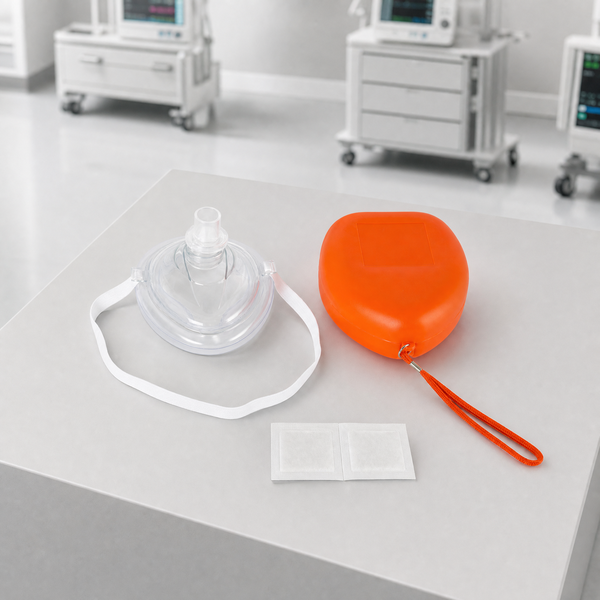
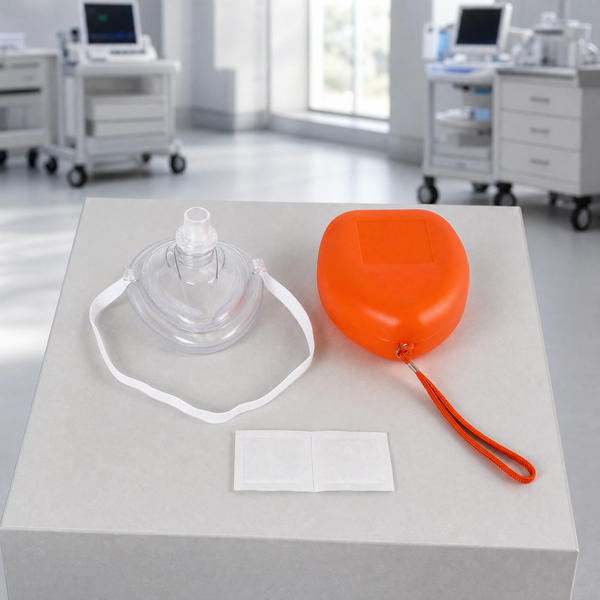
The materials used in CPR resuscitators play a significant role in their performance and safety. Common materials include:
Medical-Grade PVC: Known for its flexibility and durability, PVC is often used for the bag component. It can withstand multiple sterilization processes without losing integrity.
Silicone: This material is increasingly popular due to its biocompatibility and resistance to degradation. Silicone bags are often softer, providing a better seal around the patient's airway.
Polypropylene: Frequently used for valve components, polypropylene is lightweight, resistant to impact, and suitable for high-stress situations.
Rubber Seals: Seals made from high-quality rubber materials ensure airtight connections between components, preventing leaks during ventilation.
When selecting CPR resuscitators, ensure the materials align with your facility's safety and quality standards. Discussing material choices with your supplier can lead to a better understanding of how these materials affect product performance and patient safety.
By thoroughly considering these aspects when sourcing CPR resuscitators, you can enhance the reliability and effectiveness of your emergency response equipment, ultimately improving patient care outcomes in critical situations.
 EN
EN