Understanding Residential Stair Lifts for B2B Buyers

Zhangjiagang Xiehe Import & Export Co., Ltd.

application/residential-stair-lift, application/residential-stair-lift, 
Inquiry
Inquiry

residential stair lift

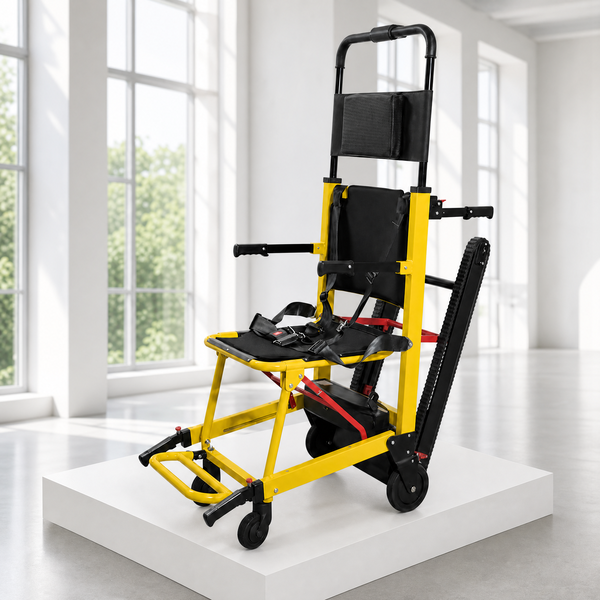
Residential stair lifts are essential mobility solutions designed to facilitate safe and  accessible  movement within homes, particularly for individuals with mobility  challenges. For B2B buyers,  such  as purchasing managers, distributors, and project  managers in the construction and healthcare sectors, understanding  the specifications, applications,  and  common  issues associated with  residential  stair lifts is crucial. This article will delve into the  specifications of  residential stair lifts,  guide  you on selecting the right model, highlight key factors for distributors, address common  problems and  solutions,  and explore various applications in residential settings.


Why choose XieHe residential stair lift

Understanding the Specifications of Residential Stair Lifts for Wholesale Buyers

When sourcing residential stair  lifts, several  specifications are crucial for ensuring product suitability and safety. Key specifications include weight capacity, seat dimensions, rail length,  and power supply type.

Weight Capacity: Most residential stair lifts can accommodate weights ranging  from 250 to  600 pounds.  Buyers should ensure that  the model chosen meets or exceeds the expected user weight  to avoid mechanical failures.

Seat Dimensions: The width and depth of the  seat impact user comfort. Standard seat widths  range from 18  to 24 inches. Ensure that the seat dimensions align with the target demographic's needs.

Rail Length: The rail must match the staircase configuration,  which can be straight or curved. Accurate measurements are  essential, as a mismatched rail can lead to improper  installation and safety risks.

Power Supply: Residential stair lifts typically operate on AC power or battery systems. Battery-operated models are advantageous in power outages but may require more frequent charging depending on usage.

Safety Features: Look for features such as seat belts, footrests, and safety sensors that prevent the lift from moving  when obstacles are present. These  features are critical  to ensuring user safety and  compliance with regulations. You might also want to explore  Funeral Home Products that can complement mobility solutions.

Understanding these  specifications helps wholesale buyers make informed decisions, ensuring that the products meet safety and performance standards for their applications.


Frequently Asked Questions

Our Blog Posts

What Our Partners Say

How to Choose the Right Residential Stair Lift for Your Projects

How to Choose the Right Residential Stair Lift for Your Projects

Selecting the right residential stair lift involves assessing specific project  needs and user requirements. Here  are some  steps to guide buyers:

Assess User Needs: Understand the primary user’s  mobility challenges, preferences, and specific requirements, such as the need for powered swivel seats or  remote controls.

Evaluate Staircase Configuration: Determine whether the staircase is straight or curved  and measure the dimensions accurately. This will impact the type of stair lift required  and its installation process.

Consider Customization Options: Many manufacturers offer customization,  such as color choices or additional features. Discuss these options early in the procurement process to ensure the chosen model aligns with the intended  aesthetic and functional requirements.

Review Manufacturer Capabilities: Choose a supplier with a proven track record in producing high-quality, certified products. Zhangjiagang Xiehe Import Export Co., Ltd. specializes in  manufacturing and supplying medical and mobility equipment, ensuring compliance with CE, FDA, and ISO 13485  standards.

Budget  Considerations: Factor in not  only  the purchase price but also  installation costs and  potential maintenance expenses. Understanding total cost of ownership will aid in budget planning  for projects.

By systematically evaluating these factors, purchasing managers can select the most suitable residential stair lift for their projects,  ensuring user satisfaction and compliance with safety  standards.

Key Factors for Distributors

Key Factors for Distributors

For distributors, several key factors must  be taken into account  when sourcing  residential stair  lifts:


Supplier Reliability: Partner with manufacturers like Zhangjiagang Xiehe Import Export Co., Ltd. that  have established quality control processes and  certifications.  This ensures  that the products are trustworthy and comply with international standards.

Inventory Management: Evaluate  production capacity and minimum order quantities (MOQ) to ensure that inventory levels align with  market demand.  Efficient inventory management can help optimize supply chain operations and reduce lead times.

Market Trends and Customer Feedback: Stay informed about emerging trends in mobility solutions  and gather feedback  from customers to better  understand their needs. This can inform your product offerings and improve customer satisfaction.

Logistics and Packaging: Consider the packaging methods and  shipping logistics. Proper packaging is vital for protecting the stair lifts during transportation, thereby minimizing damage and returns.

Regulatory Compliance: Ensure that the products meet local regulatory requirements in  the target markets. This is essential for maintaining credibility  and avoiding potential  legal issues.

By focusing on these factors, distributors can enhance their product offerings and improve their competitiveness in the market.

Common Problems with Residential Stair Lifts and Effective Solutions

Common Problems with Residential Stair Lifts and Effective Solutions

Even high-quality residential  stair lifts  may encounter common issues over time. Being aware  of  these potential problems can  help buyers  and users address them promptly:

Mechanical Failures: Issues such as motor malfunctions or rail misalignment can occur. Regular maintenance and prompt service can help mitigate downtime. Buyers should inquire about the manufacturer’s maintenance support and  warranty terms.


Battery Issues: Battery-operated models may experience reduced performance over  time. It's advisable to check battery  health regularly and consider purchasing spare  batteries to  ensure uninterrupted service.

Safety Sensor Malfunctions: Safety sensors may fail to detect obstacles, posing risks to users.  Regular inspection and testing of safety features  should be part of routine maintenance.

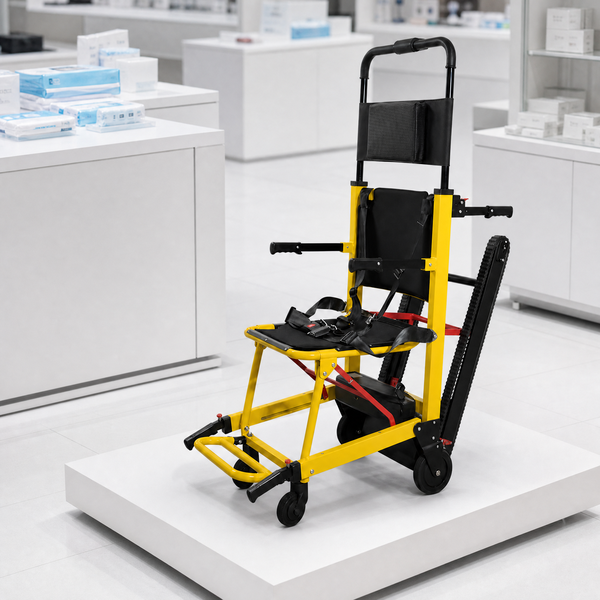
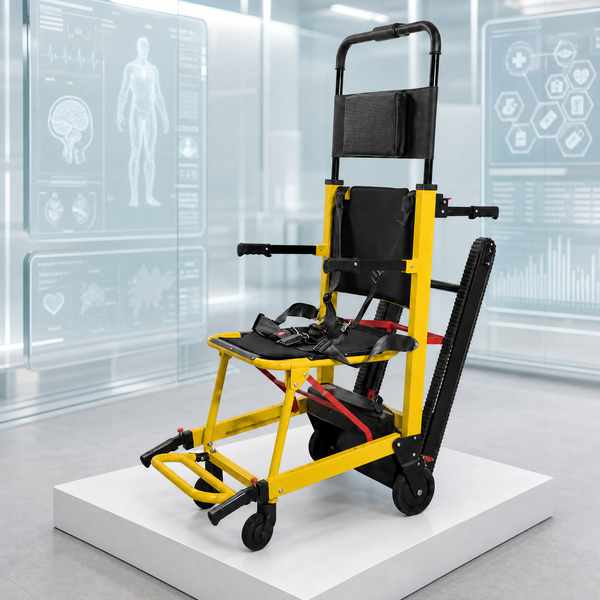
User  Training: New users may struggle with operating the stair lift.  Providing adequate  training and clear user manuals can enhance safety and confidence in using the equipment. Additionally, considering products like the Manual Stair Chair can provide further assistance in mobility.

For buyers, understanding these common issues and  their solutions can significantly enhance the user experience  and reduce operational disruptions.

Applications of Residential Stair Lifts in Various Residential Settings

Applications of Residential Stair Lifts in Various Residential Settings

Residential stair lifts have a wide range of applications in different settings, catering to diverse user needs:


Single-Family Homes: In traditional  single-family homes, stair lifts provide essential mobility support for elderly or disabled residents, allowing them to access all levels of their homes  without assistance.

Multi-Story Apartments: In multi-story buildings, stair lifts can be installed to enhance accessibility for tenants with mobility challenges, ensuring compliance with accessibility  regulations and improving  tenant satisfaction.

Retirement Communities: Stair lifts  are crucial  in retirement communities, where they facilitate independent living for residents who  may have limited  mobility. This enhances overall quality of life and  reduces the need for constant caregiver assistance.

Renovated Properties: In homes undergoing renovations, installing a stair lift can be an effective way  to improve accessibility, especially if the renovations include changes to stair configurations.

Temporary Installations: For  short-term needs, such as post-surgery recovery, temporary stair lift installations can provide immediate mobility solutions while users regain  their independence.

By  understanding the various applications of residential stair lifts, buyers can better tailor their product offerings to meet market needs and enhance customer satisfaction.

Residential stair lifts serve a vital role in enhancing mobility and  accessibility within residential settings. For B2B  buyers, understanding product specifications, choosing the  right models, and addressing  common issues are key to making informed purchasing decisions.  By leveraging the expertise of established manufacturers, distributors can enhance their offerings  and meet the growing demand for mobility solutions in various residential applications.