Key Considerations for Plastic Stretchers in Healthcare

Zhangjiagang Xiehe Import & Export Co., Ltd.

application/plastic-stretcher, application/plastic-stretcher, 
Inquiry
Inquiry

plastic stretcher

In emergency and healthcare settings, the choice of a  plastic stretcher  can  significantly impact response times  and patient  safety. This article will guide B2B buyers—such as purchasing  managers,  hospital administrators,  and distributors—through  the essential considerations  when sourcing plastic stretchers. We will cover  key specifications, sourcing options,  installation  guidance, common  problems, and  the various  applications  of plastic  stretchers, helping  you make informed purchasing decisions.

Why choose XieHe plastic stretcher

Our Products

Key Specifications to Consider When Sourcing Plastic Stretchers

When sourcing plastic stretchers, several specifications are  crucial for ensuring that the product meets the  intended  application needs. First,  consider the material used in the stretcher's construction. High-density  polyethylene (HDPE) is a popular choice for its durability, resistance to  chemicals, and ease of cleaning. Ensure that the selected  material meets relevant safety  standards, such  as CE or FDA certifications, which indicate compliance with European and American regulations.

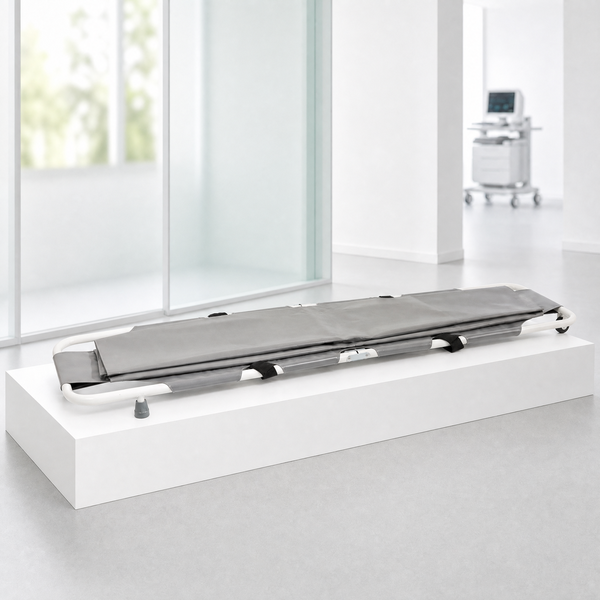
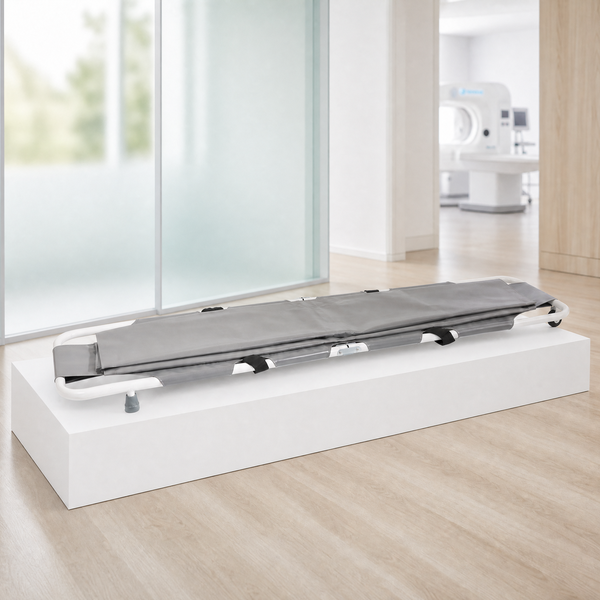
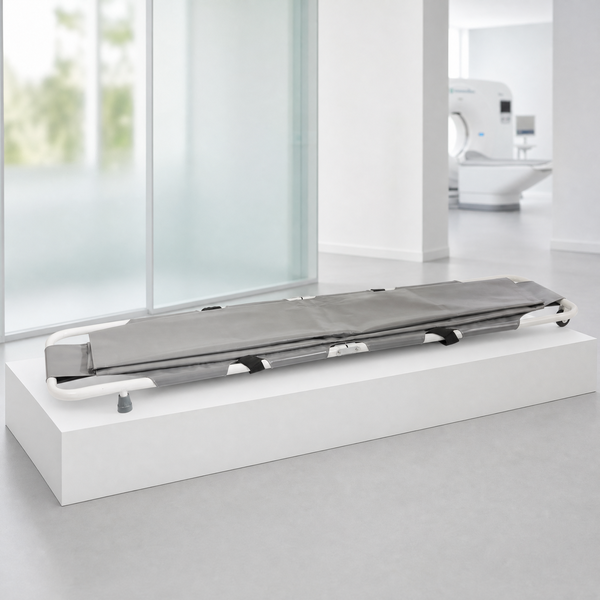
Next, evaluate the stretcher's weight capacity. This specification  is vital for ensuring that the stretcher  can safely transport patients  of various sizes. Common weight capacities for plastic stretchers range between 150 kg to  250  kg. Additionally, check the stretcher's dimensions; it  should fit easily  through standard doorways and hallways without compromising patient comfort. For example, the YXH-1H Folding Stretcher is designed to meet these dimensional requirements.

Another important aspect is the stretcher's design features, such as foldability, which enhances  portability and storage. Look for  stretchers with safety  straps to secure patients during transport, as well as handles that allow for easy maneuverability. Customization options, including colors  and branding, may also be available, depending on the manufacturer.

Frequently Asked Questions

Our Blog Posts

What Our Partners Say

Where to Find Wholesale Plastic Stretchers from Trusted Suppliers

Where to Find Wholesale Plastic Stretchers from Trusted Suppliers

Finding reliable suppliers  for wholesale plastic  stretchers involves careful research  and evaluation. Start by identifying manufacturers with a  proven  track record in the emergency medical equipment  industry.  Look for companies that are CE/FDA/ISO 13485-certified, as these certifications indicate adherence to recognized quality management standards.

Participating in  industry trade shows and conferences can also be beneficial.  These events provide opportunities to  meet suppliers face-to-face, inspect products, and discuss customization  options. Online platforms like Alibaba or ThomasNet can  help locate a broader range of manufacturers, but it's essential to verify their credentials and check for customer reviews or testimonials.

Establishing  a relationship with suppliers who  offer favorable terms, such  as  competitive pricing, minimum order  quantities (MOQ), and flexible  lead times, can  lead to  long-term partnerships. It's advisable to request samples of plastic stretchers before making bulk purchases to assess quality firsthand. For instance, the YXH-5P Stair Stretcher is a great option to consider for testing.

Installation Guidance for Efficient Use of Plastic Stretchers

Installation Guidance for Efficient Use of Plastic Stretchers

Proper installation  and  usage of  plastic stretchers are critical for ensuring safety and  efficiency during emergency situations. First, familiarize staff with the specific  model  being used, as different stretchers may have unique features or operating instructions. Conduct regular training sessions to ensure all personnel understand  how to operate the stretcher effectively.

When using  a plastic  stretcher,  always check for secure locking mechanisms before placing a patient  on it. If the  stretcher  features adjustable components, ensure they  are set correctly to accommodate the patient’s size. During transport, maintain clear communication among team members, especially when navigating through tight spaces or uneven terrain.

Routine maintenance checks should also be performed to ensure that the stretcher remains  in good working condition. Inspect for any cracks, loose parts, or wear  that could  compromise the stretcher's integrity. Following these guidelines will help  maximize the efficiency  of plastic stretchers in real-world applications.

 
Common Problems with Plastic Stretchers and Effective Solutions

Common Problems with Plastic Stretchers and Effective Solutions

While plastic stretchers are durable and versatile, certain challenges  can arise during their use. One  common issue is the potential for cracking or damage,  particularly  if the stretcher is subjected to extreme temperatures or heavy loads beyond its weight capacity. To  mitigate this  risk, ensure that users  are trained on the appropriate weight limits  and  inspect  the stretchers regularly.


Another issue can  be difficulty in maneuvering the stretcher, especially in confined spaces.  This can  sometimes be alleviated by selecting stretchers with a design that features more ergonomic handles and a lighter overall  weight. Additionally, consider using stretchers with wheels that allow for easier  navigation.


If a stretcher becomes soiled or stained,  improper cleaning can lead to issues with hygiene. It’s important to follow the manufacturer's recommended cleaning  procedures to avoid damaging the plastic and to  ensure the stretcher remains safe for patient use.

Applications of Plastic Stretchers in Emergency and Healthcare Settings

Applications of Plastic Stretchers in Emergency and Healthcare Settings

Plastic stretchers serve various applications across emergency and healthcare settings. In hospitals,  they are essential  for transporting patients from  one area to  another—for example, from the  emergency room to radiology. Their lightweight design  allows for quick and efficient movement, which can be critical in time-sensitive situations.

In emergency medical services  (EMS), plastic  stretchers are indispensable during rescue operations. They can be easily adapted for use in  ambulances, helicopters, and outdoor settings, allowing  first  responders to provide care swiftly. Their weather-resistant properties make them suitable  for outdoor use, ensuring they can withstand various environmental conditions.

Additionally, plastic stretchers are often used in disaster response scenarios, such as during natural disasters where rapid evacuation  is necessary. Their portability and ease  of use make them ideal for deploying in emergency shelters or  temporary  medical facilities.

By understanding these applications, buyers can better assess the suitability of  plastic stretchers for  their specific needs, contributing to effective patient care and  emergency response  readiness.