Choosing the Right Adjustable Stretcher

Zhangjiagang Xiehe Import & Export Co., Ltd.

application/adjustable-stretcher, application/adjustable-stretcher, 
Inquiry
Inquiry

adjustable stretcher

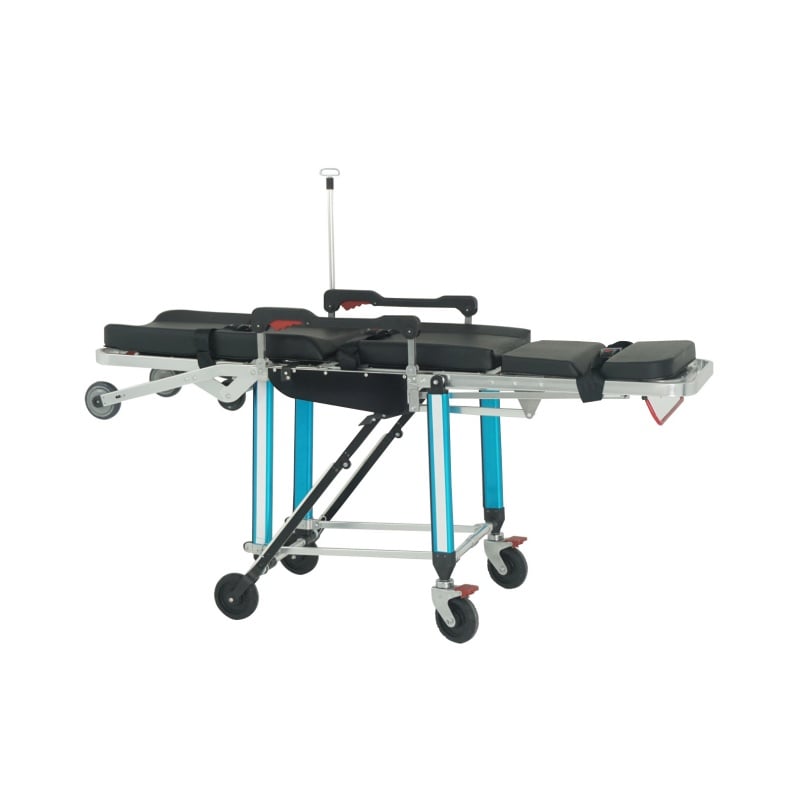
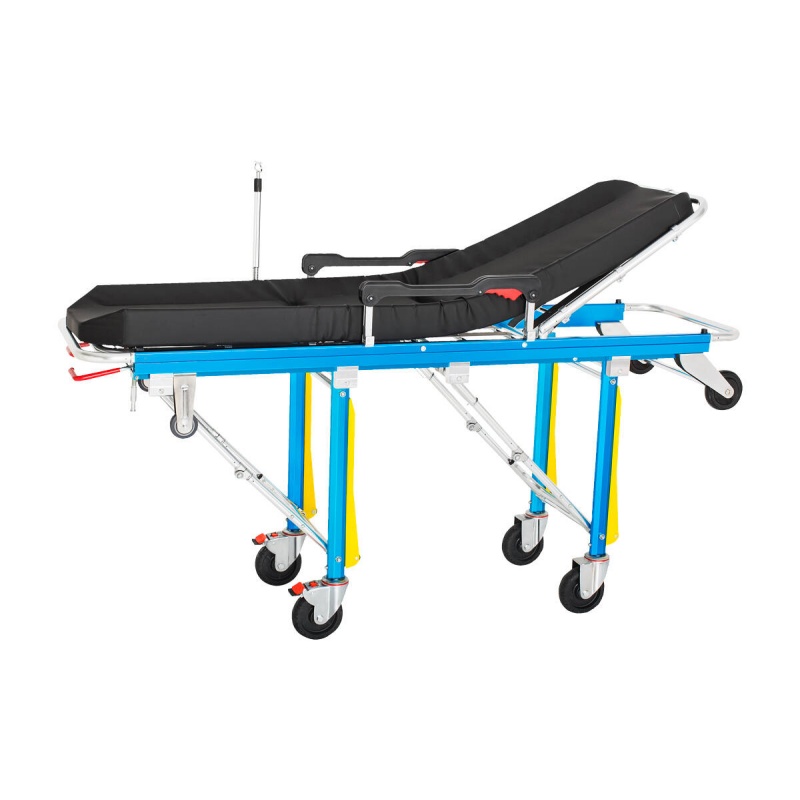
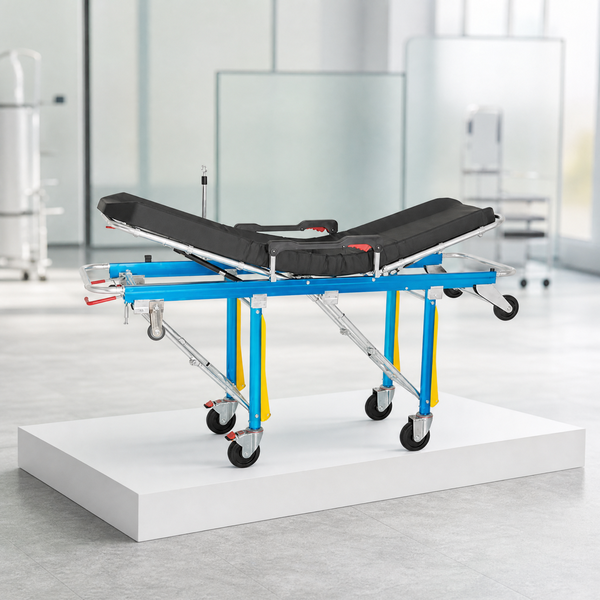
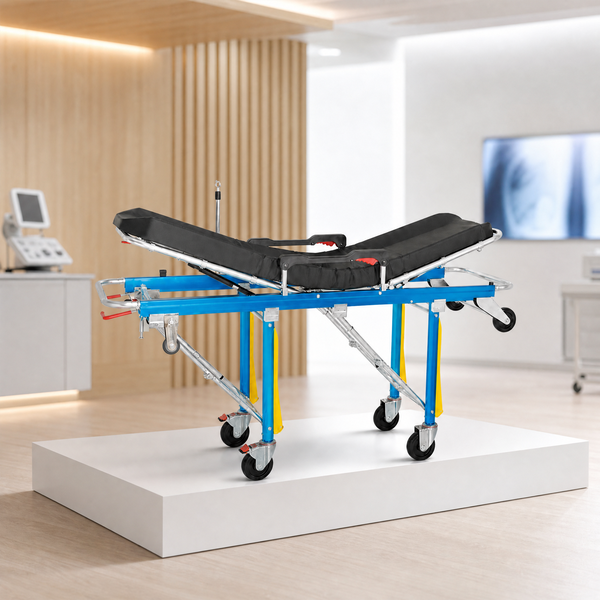
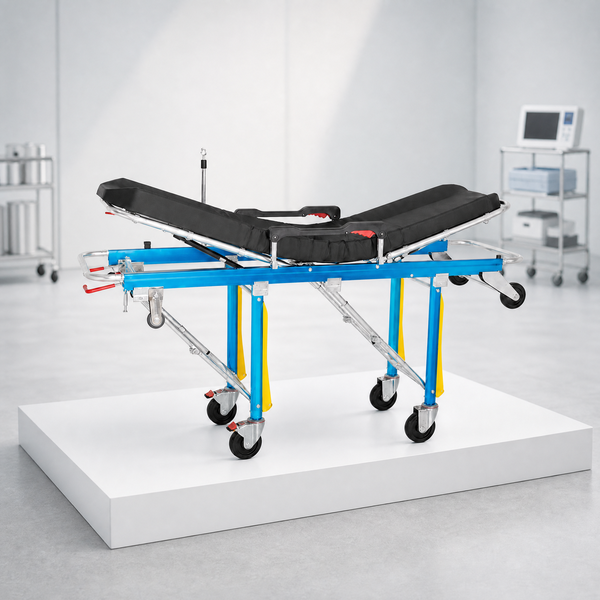
Adjustable stretchers are  essential medical  devices  designed  for transporting patients in emergency  situations. They are  versatile, often equipped with  adjustable features that allow for  various positioning based on a  patient's  condition.  For B2B buyers—such as purchasing managers, healthcare providers, and emergency service coordinators—understanding the  specifications, applications, and supplier reliability of adjustable stretchers is crucial in  making informed decisions. This article  will  guide you through  selecting the right stretcher for  your  needs, identifying reliable suppliers, and understanding how adjustable  stretchers can  enhance emergency response.

Why choose XieHe adjustable stretcher

What to Consider When Choosing an Adjustable Stretcher for Your Needs

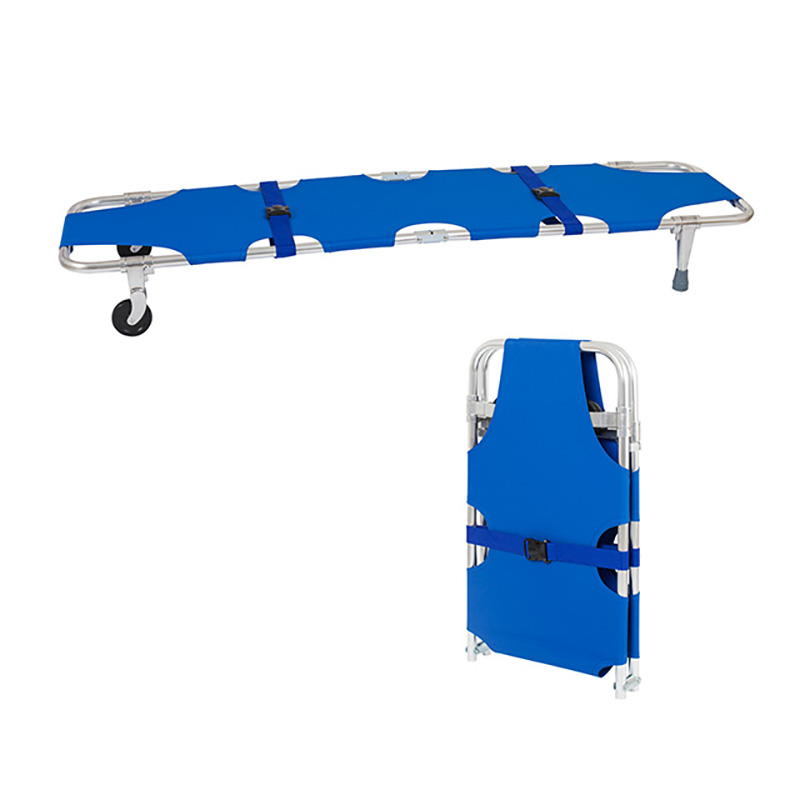
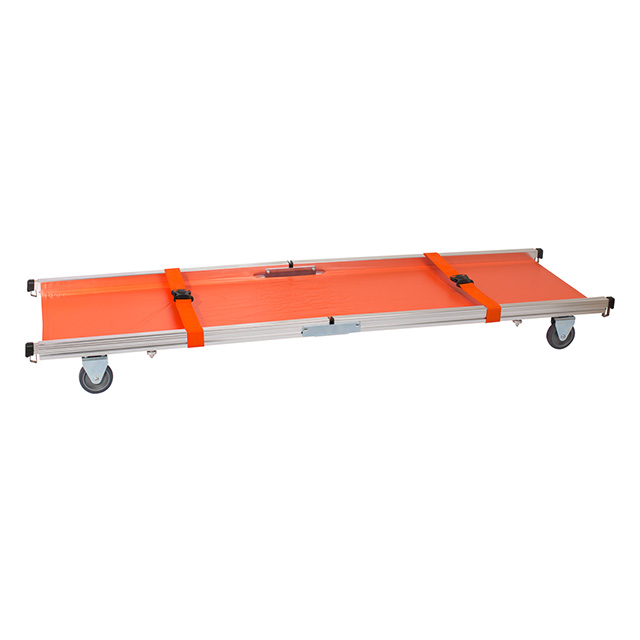
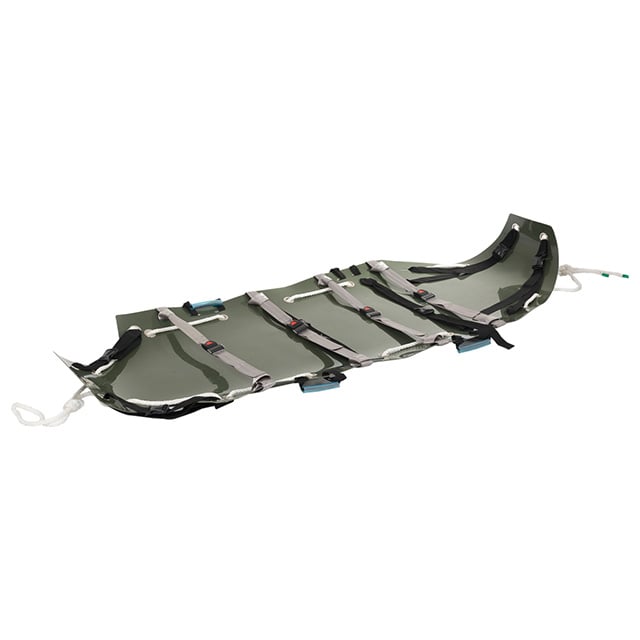
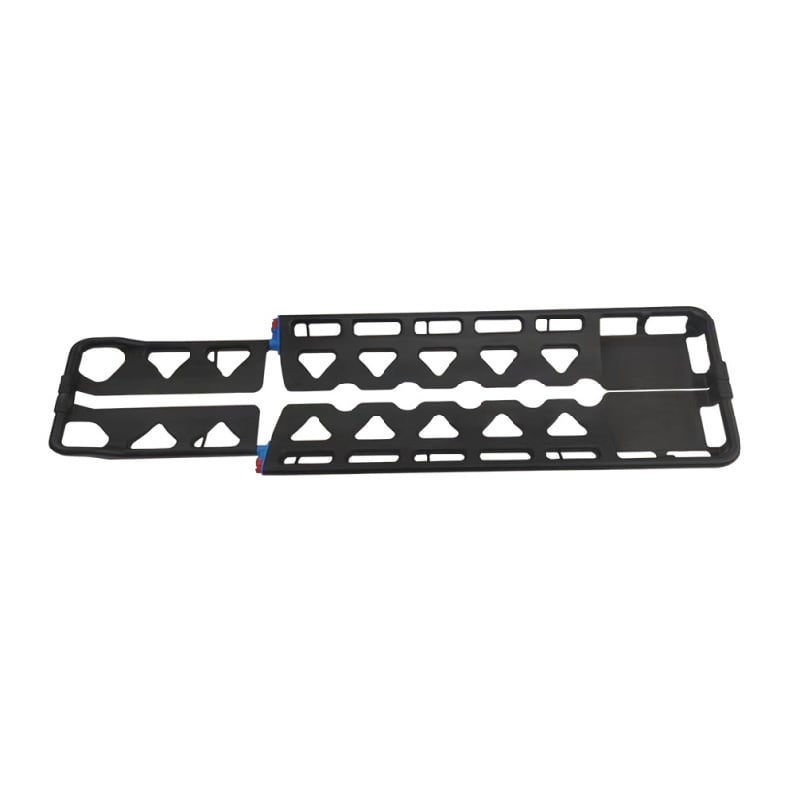
Selecting the right adjustable stretcher involves several  critical considerations. First, assess the weight capacity and dimensions. Stretchers must accommodate a  range of patient sizes, so ensure that the model  you choose can support the maximum weight and  offers sufficient length  and width for comfort. For those interested in various options, exploring different stretcher types can be beneficial.

Next, consider the materials used in the construction. Aluminum is a common choice due to its lightweight yet durable nature, while high-strength fabrics  should be tear-resistant  and easy  to clean. Look for  stretchers  that comply with healthcare standards, such as CE or FDA  certifications, which guarantee safety and  quality.

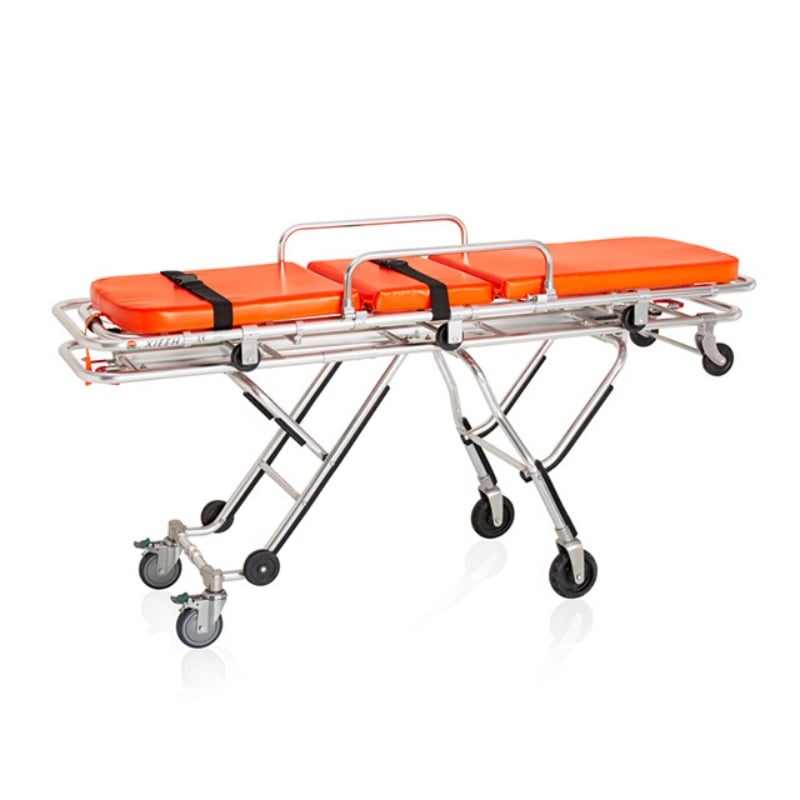
Adjustability features are  also paramount. Some  stretchers allow for multiple height settings, which can facilitate easier transfers  from different surfaces. Additionally, check  whether the stretcher includes safety features  like straps and locking mechanisms to secure the patient during transport.

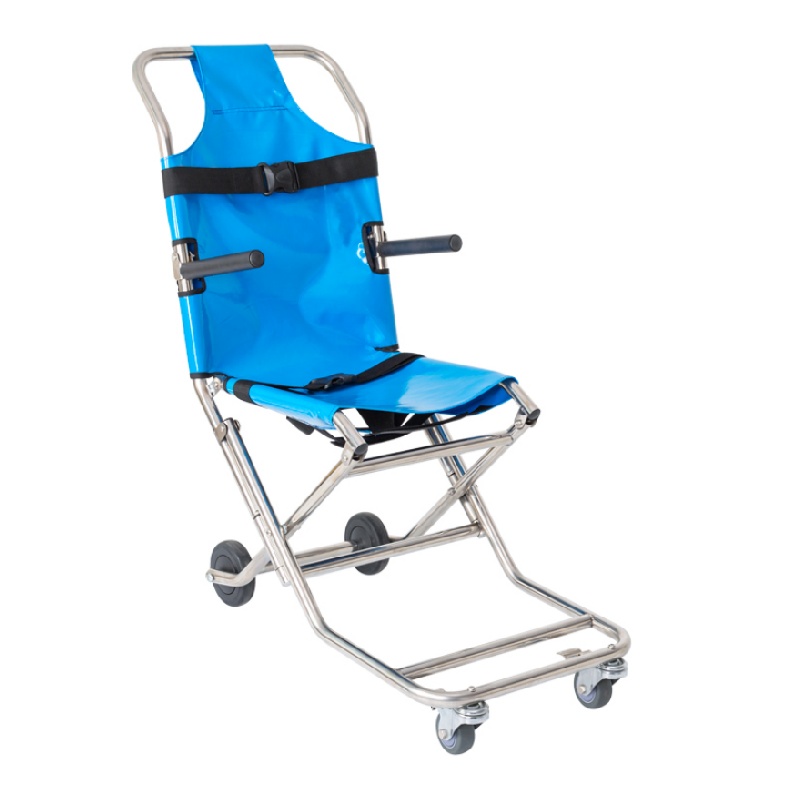
Finally,  review any customization options available from the supplier  to ensure that the stretcher meets  specific operational needs, such as branding requirements or specialized configurations for unique environments. You might also consider manual stair chairs if manual options are preferable.

Frequently Asked Questions

Our Blog Posts

What Our Partners Say

Where to Find Reliable Suppliers for Adjustable Stretchers in Bulk

Where to Find Reliable Suppliers for Adjustable Stretchers in Bulk

Finding trustworthy suppliers  for adjustable stretchers requires diligent research. Start by  identifying manufacturers with a strong reputation in the medical  equipment industry.  Look for companies that have established quality control processes and hold relevant certifications like  ISO 13485, which ensures that manufacturers meet international  quality standards  for medical devices.

Engaging with trade associations and attending industry trade shows can  also help connect you with  reputable suppliers. These events often showcase  leading manufacturers  and allow you to see their products firsthand.


When evaluating suppliers, consider their distribution capabilities. A  dependable supplier should have a robust logistics  network, enabling  timely delivery to various locations. It's also  beneficial to inquire about their experience in  exporting to your target market, as this demonstrates their capability to navigate international  regulations and customs procedures.

Finally, request references or case studies from existing clients to gauge the reliability and responsiveness of potential suppliers. This  feedback can provide insight into their customer service and product quality.

 
How Adjustable Stretchers Enhance Emergency Response Situations

How Adjustable Stretchers Enhance Emergency Response Situations

Adjustable stretchers play a vital role in emergency response scenarios.  Their design allows for quick  and efficient patient transport in critical situations, which is essential for improving  patient outcomes. The ability to adjust the stretcher height  and position facilitates easier access for  medical personnel, enabling  them to  provide care while the patient is  being moved.

In addition, the lightweight construction of many adjustable  stretchers aids in rapid  deployment, which is crucial during emergencies where every  second counts.  Stretchers that can be folded or collapsed allow for easier storage and transport within emergency  vehicles, optimizing space for other necessary medical equipment.

Moreover, adjustable stretchers can  be equipped with additional features such as  IV poles or oxygen tank  holders,  further enhancing their utility in emergency situations. These added functionalities ensure that patients receive continuous  care throughout their transport, making adjustable stretchers an indispensable  tool  for emergency medical teams.

Comparing Adjustable Stretcher Specifications for Optimal Performance

Comparing Adjustable Stretcher Specifications for Optimal Performance

When evaluating adjustable stretchers, it's essential to compare their specifications to determine the  best fit for your needs. Start  with the load capacity, which typically ranges from 250 to 500 pounds.  Ensure that the  stretcher's weight limit  is appropriate for the  patient population you  serve.

Next, examine the dimensions, including the length, width, and height. These factors will impact maneuverability in tight spaces,  such as hallways or elevators.  Additionally, consider  the stretcher's weight; lighter models will be easier to  handle but may compromise on stability or  durability.

Look  into the type and number of adjustment points. Some stretchers feature adjustable backrests, while others may allow  for leg elevation. Each adjustment type serves a  specific purpose and  can greatly affect patient comfort and care during transport.

Also, verify the materials used for the stretcher's  frame and surface. High-quality  materials not only enhance durability but also make maintenance easier. Pay attention to the type of wheels  or casters,  as they significantly affect mobility and stability on different surfaces.

Lastly, checking for compliance with regulatory standards and certifications is crucial to ensuring safety and reliability.

Applications of Adjustable Stretchers in Healthcare and Emergency Services

Applications of Adjustable Stretchers in Healthcare and Emergency Services

Adjustable stretchers have  diverse applications across various sectors, primarily in healthcare and emergency services. In hospitals, they are frequently used for  patient transfers between departments, such as from the emergency room to imaging or surgery. The  ability to adjust height and position allows healthcare providers to manage patients with different needs effectively.

In emergency medical services (EMS), adjustable stretchers facilitate rapid patient transport  to hospitals. Their lightweight design  and ease of  use are essential in urgent situations, where speed and efficiency can be life-saving. Furthermore, adjustable stretchers can be particularly beneficial in tactical environments, such  as during rescue operations, where maneuverability and adaptability are critical.

Additionally, adjustable stretchers are  also valuable in long-term care facilities and rehabilitation centers. They assist in transferring patients who may have reduced mobility,  ensuring their comfort and safety during the process.  Consider looking into electric stair chairs for alternative transport solutions as well.

Finally, many  adjustable  stretchers can be customized for specific  applications or environments, allowing for the integration  of features like safety belts,  oxygen tanks, or IV poles, making them versatile  tools in various healthcare contexts.

In  summary, adjustable stretchers are vital components in  emergency response and healthcare applications,  enabling efficient patient transport  while accommodating various needs and situations. Understanding their specifications, applications, and supplier reliability is key for purchasing managers and healthcare professionals to make informed  decisions.