How to Choose the Right Medical First Aid Kit

Zhangjiagang Xiehe Import & Export Co., Ltd.

application/medical-first-aid-kit, application/medical-first-aid-kit, 
Inquiry
Inquiry

medical first aid kit

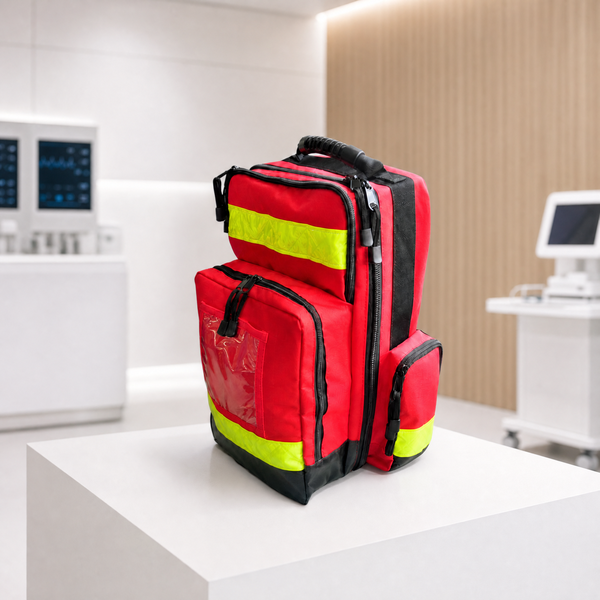
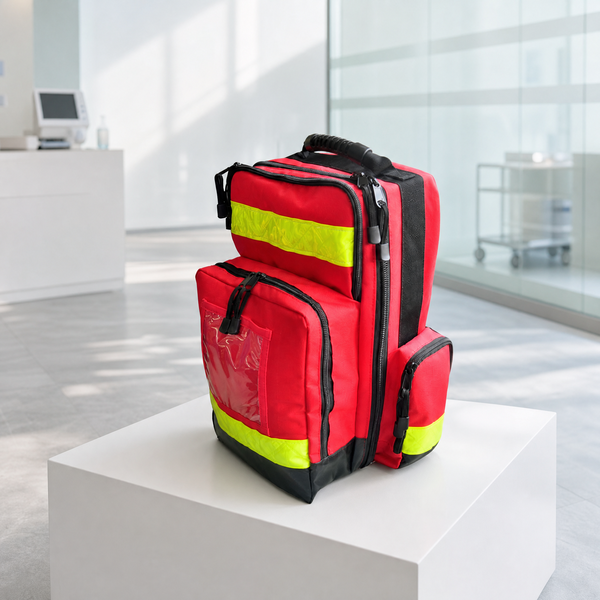
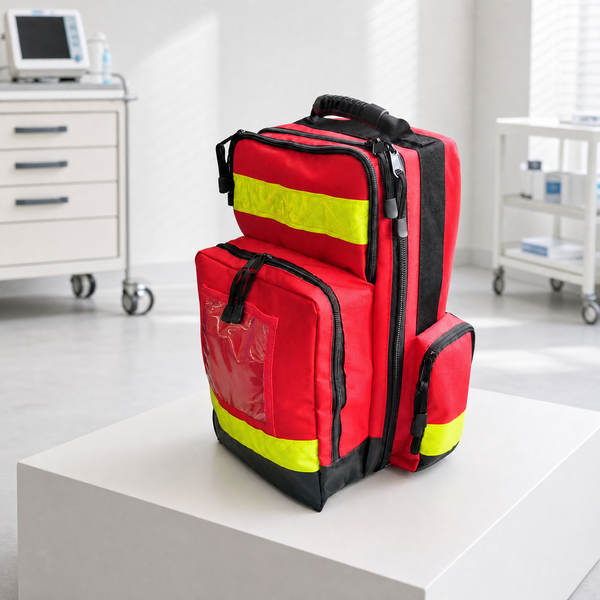
Medical first aid kits are essential tools for  businesses across  various industries,  designed to provide  immediate care in emergencies. When  selecting  the right kit,  B2B buyers often  face concerns about  compliance with safety  regulations,  the  quality of supplies,  and the ability to customize kits  to meet  specific needs. This  article  aims to guide purchasing  managers and decision-makers through  the critical aspects of choosing, sourcing, and implementing medical first  aid kits, ensuring that they meet both regulatory standards and operational requirements.

Why choose XieHe medical first aid kit

How to Choose the Right Medical First Aid Kit for Your Business Needs

Selecting a medical first aid kit involves understanding  your company's specific needs.  Factors  to consider include  the size  of your workforce, the nature of your operations, and potential risks associated with your industry. For example,  a construction site may require a more comprehensive kit that includes items for dealing with cuts, burns, and even fractures, while an office environment  may need a more basic selection. Additionally, having the right Funeral Home Products in your inventory can further enhance preparedness.

Key specifications to evaluate include:

Contents: Ensure the  kit has  all necessary supplies, including bandages, antiseptics, gloves,  and  emergency contact  information. Size:  Consider the number of individuals the kit should serve. Larger teams may require multiple kits or a larger kit size. Regulatory Compliance: Verify that  the  kit meets local workplace safety regulations and standards,  such as those set by OSHA (Occupational Safety and Health Administration) or equivalent bodies in your region.

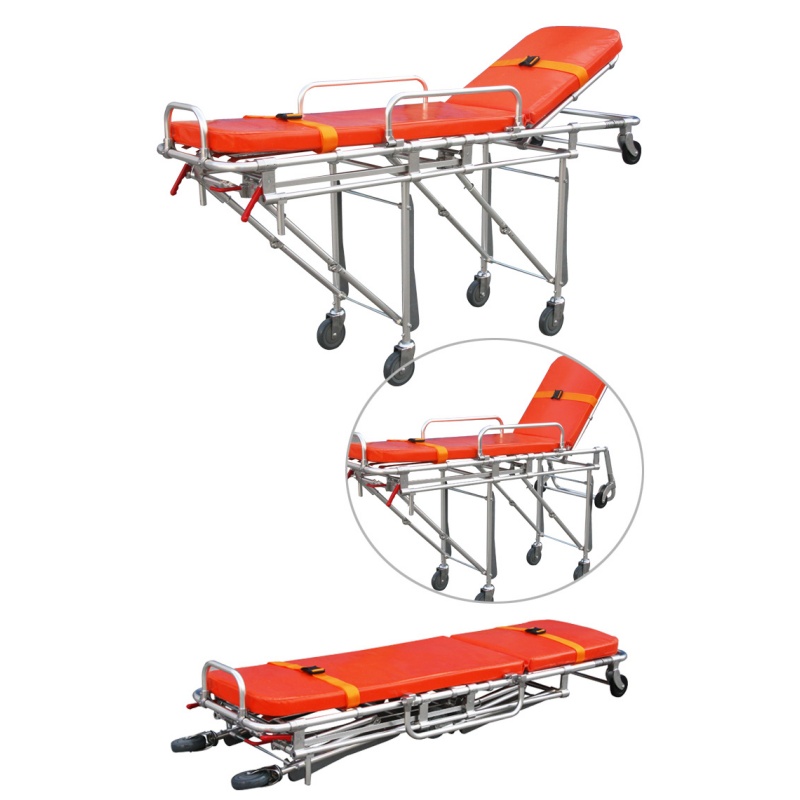
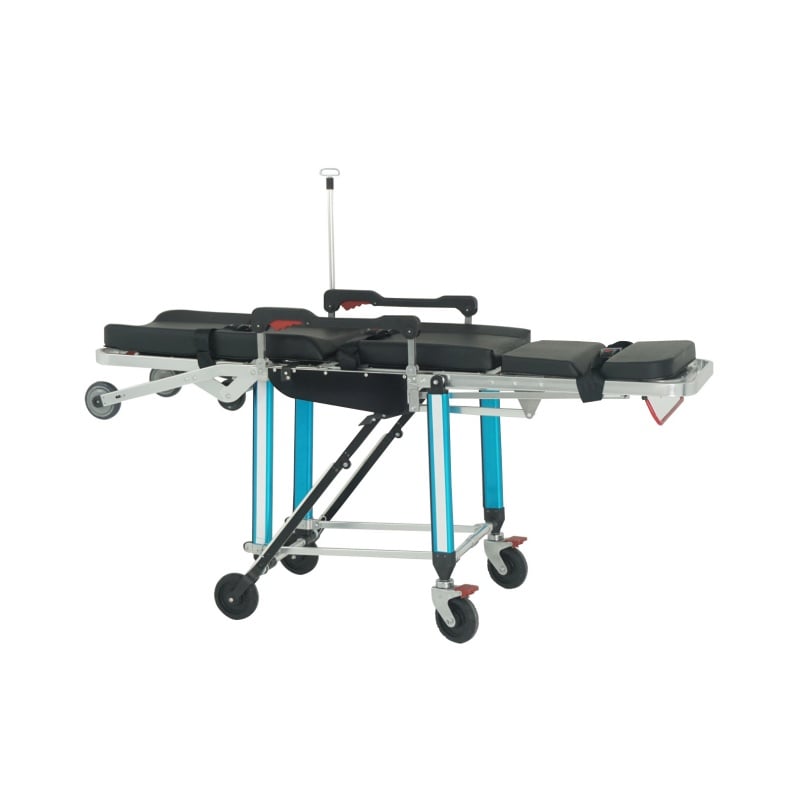
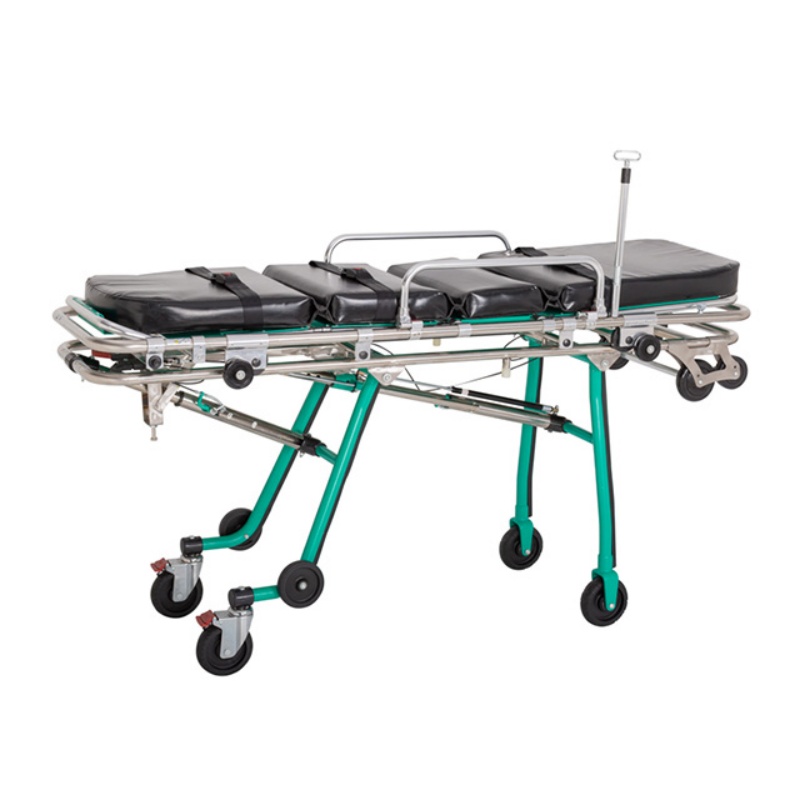
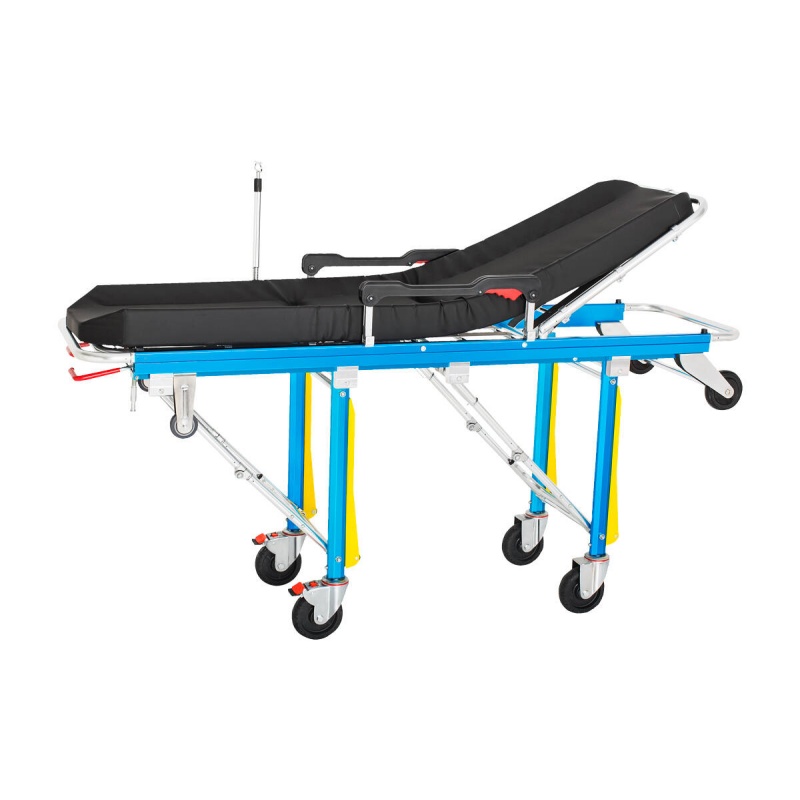
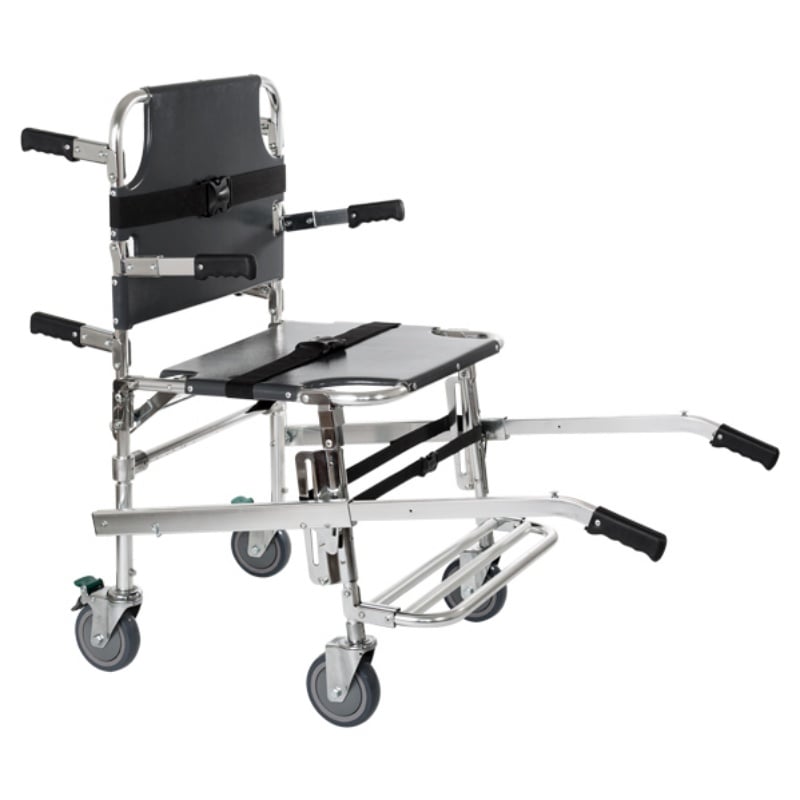
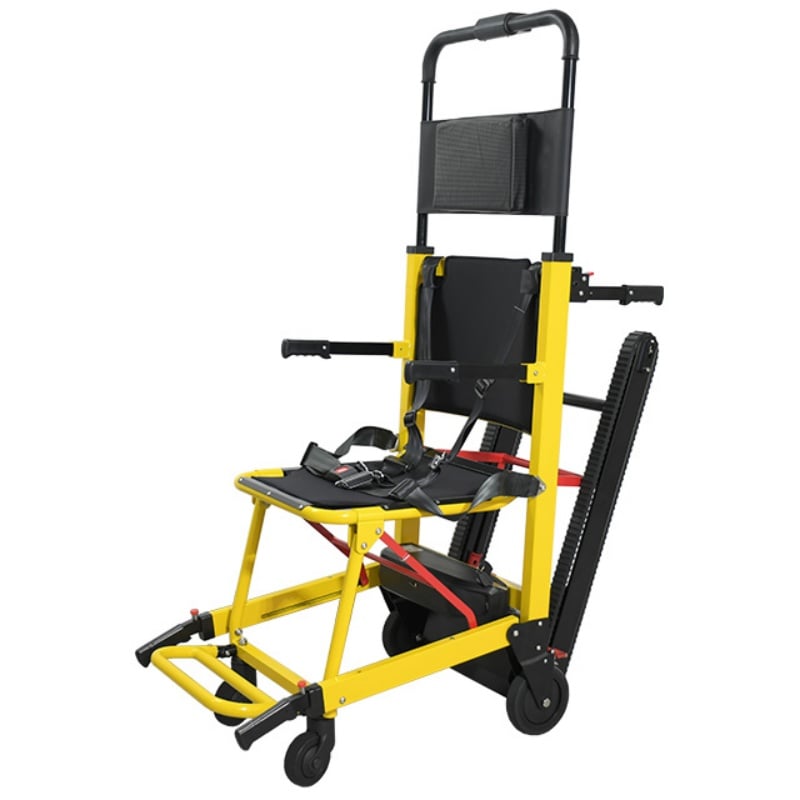
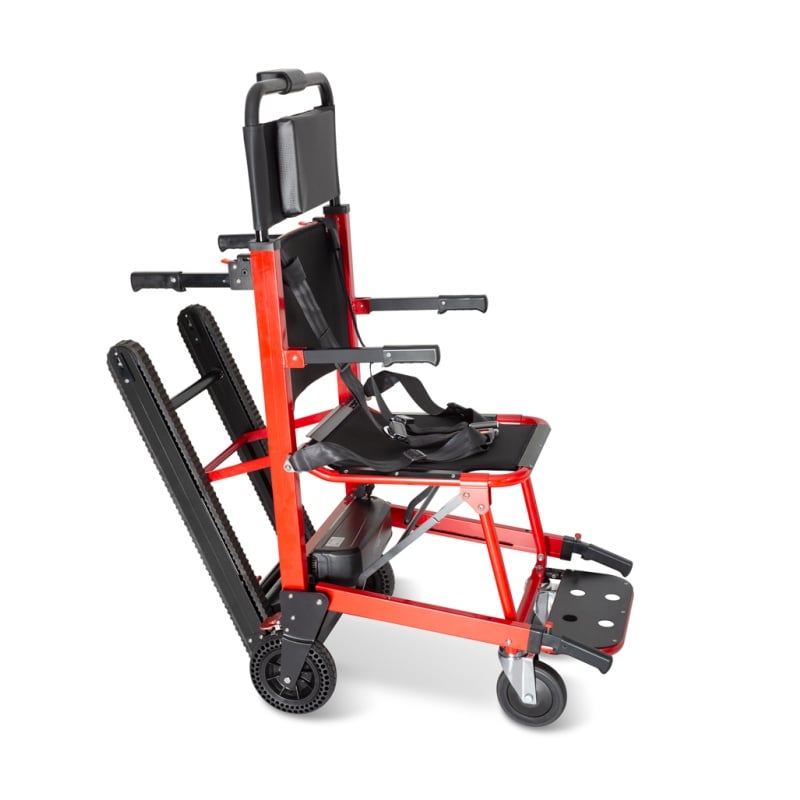
Customization options are also critical. A  manufacturer like Zhangjiagang Xiehe Import Export Co., Ltd. offers tailored solutions  to ensure kits include  items specific to your workplace hazards, including options like the Electric Stair Chair for mobility assistance.


Frequently Asked Questions

Our Blog Posts

What Our Partners Say

Where to Source High-Quality Medical First Aid Kits Wholesale

Where to Source High-Quality Medical First Aid Kits Wholesale

When sourcing medical first aid kits,  quality  and  reliability are paramount. Businesses should consider suppliers  with established credentials and certifications such  as CE, FDA, or ISO 13485.  These  certifications indicate  compliance  with international safety and quality standards, providing assurance of the product's  reliability.

Zhangjiagang Xiehe Import Export Co., Ltd. has a robust distribution network spanning over 30 countries, which reflects  its ability to supply high-quality products globally. When sourcing wholesale, consider the following:

Minimum Order Quantities (MOQ): Understand the supplier's MOQ, as this can  impact your purchasing strategy and inventory management. Production Capacity: Inquire about  the supplier's ability to fulfill large orders and their  lead times. This is crucial for businesses that may need to  restock quickly.  Customization  Capabilities: Look for suppliers who can customize kits to meet specific  industry needs  or regulations. 
Installation Guidance for Medical First Aid Kits in Workplaces

Installation Guidance for Medical First Aid Kits in Workplaces

Proper placement and  accessibility of medical  first aid  kits in the workplace are critical  for  effective emergency response. Here are some best practices  for installation:

Visibility: Position the kits  in easily accessible locations that are clearly  marked. This could include high-traffic areas or near emergency exits. Training: Ensure  employees are  aware of the kit's  location and contents. Regular training sessions  can improve response times  during an emergency. Maintenance: Establish a routine for checking  kit contents, replenishing supplies, and ensuring that items have not expired. This is essential  for maintaining the kit's  effectiveness.

Regular  audits  of the first  aid kits can  help identify any missing items or expired products, ensuring that the kits remain ready for use at all times.

Understanding Material Advantages in Medical First Aid Kits

Understanding Material Advantages in Medical First Aid Kits

The materials used in medical  first aid kits significantly affect  their durability,  effectiveness, and compliance with safety standards. Common materials include:

Plastic: Often used  for the kit  containers, plastic is  lightweight, water-resistant, and easy to clean. Look for high-density polyethylene  (HDPE) for  greater durability. Bandages and Dressings: These may be made from cotton,  gauze, or synthetic materials. The choice of materials  affects absorbency and  comfort. For example, hypoallergenic adhesives  can prevent skin irritation. Antiseptics: Ensure that antiseptics used are  effective yet safe for skin contact. Alcohol-free  options may  be preferable  in sensitive environments.

Understanding these materials helps buyers  select kits that  cater to  their specific workplace needs while ensuring compliance and safety.

 
Applications of Medical First Aid Kits in Various Industries

Applications of Medical First Aid Kits in Various Industries

Medical first aid  kits serve crucial roles across a variety of industries, each with unique needs and regulations. Here are several  applications:

Construction: Kits should include items for managing  injuries common in construction, such as heavy-duty bandages, splints, and burn dressings. Manufacturing: Kits  should  cater to chemical  exposure risks, with items such as eye wash solutions and specialized dressings for burns. Healthcare:  First aid kits in healthcare settings require sterile items and  adherence to strict hygiene standards, often needing rapid response capabilities for various medical emergencies. Corporate Offices: Basic kits suffice, containing items for minor injuries, such as cuts and scrapes, with an emphasis on  convenience  and  accessibility.

Understanding the  specific  applications for different industries can help buyers select kits  that are not just compliant but also effective in real-world  scenarios.

By  focusing on these aspects, businesses  can ensure they  are well-equipped to handle emergencies, providing  safety  and peace of mind for their employees.