How to Choose a Household First Aid Kit

Zhangjiagang Xiehe Import & Export Co., Ltd.

application/household-first-aid-kit, application/household-first-aid-kit, 
Inquiry
Inquiry

household first aid kit

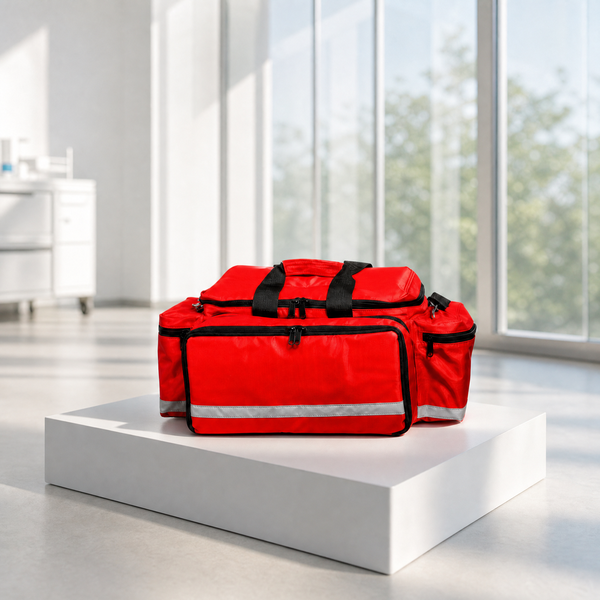
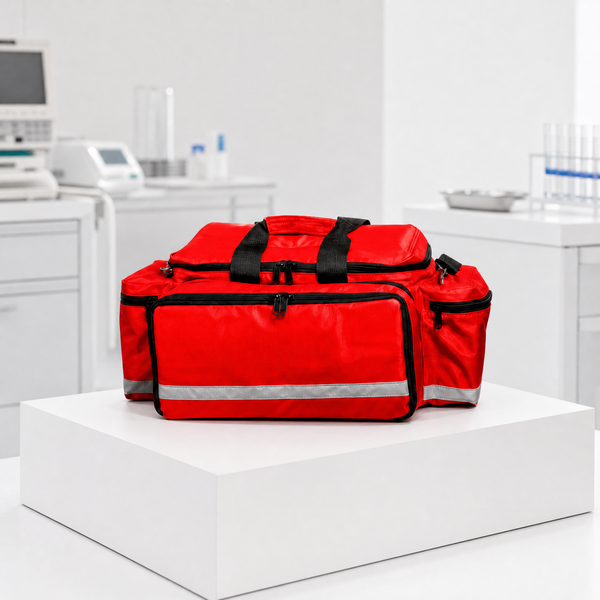
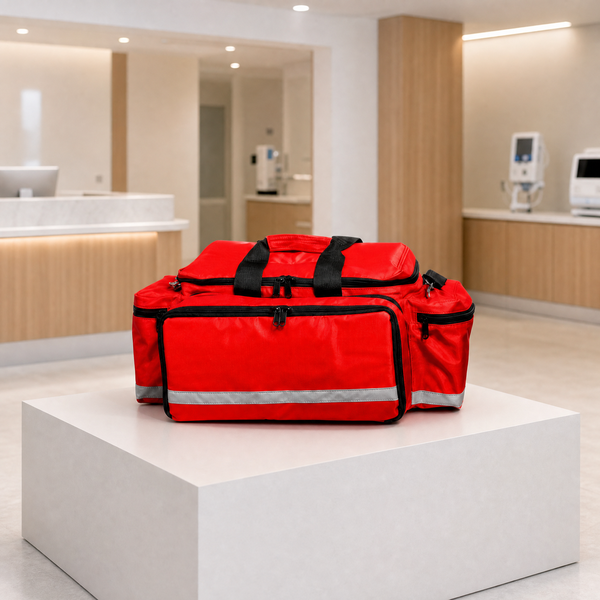
A  household first aid  kit is an essential component for safety and medical  preparedness in any home. Comprised  of various medical supplies and equipment, these kits are designed  to address minor injuries and  emergencies  promptly. For B2B  buyers,  such as purchasing managers, distributors, and healthcare providers, understanding how  to select the  right household  first aid  kit is  crucial.  This article will help you navigate key considerations such  as product specifications,  customization options, and cost factors, ensuring  you  make informed purchasing decisions.


Why choose XieHe household first aid kit

How to Choose the Right Household First Aid Kit for Your Needs

Selecting the appropriate household first  aid kit begins  with understanding  the specific needs of  your target market or end-users. Consider the following factors:

Content Variety: A well-rounded kit should include bandages, antiseptic wipes, gauze, scissors, tweezers,  and adhesive tape. For  specialized markets, such as schools or industrial settings, additional items like burn dressings or eye wash might be necessary. For example, incorporating items from our First Aid Products line can enhance the kit's effectiveness.


Size and Portability: Depending on the  intended use, the kit's size may vary. Compact kits are suitable for  travel  or personal use, while larger kits are ideal for workplaces or families.

Regulatory Compliance: Ensure that the kit meets relevant safety standards, such as CE  or FDA certifications, which validate  the quality and safety of the included products.


Customization Options: Suppliers like Zhangjiagang Xiehe Import & Export Co., Ltd. offer customization capabilities. Buyers should evaluate whether they need specific  branding, packaging,  or tailored contents to  meet their  unique requirements.

Usage Environment: Consider where the kit will be used—home, outdoor events, or workplaces. This will influence the selection  of items based on potential risks associated with those environments.

By assessing these factors, buyers can ensure their chosen kits effectively  meet the needs of  their customers.

Frequently Asked Questions

Our Blog Posts

What Our Partners Say

Wholesale Options for Sourcing Household First Aid Kits

Wholesale Options for Sourcing Household First Aid Kits

When looking to purchase household  first aid kits in bulk, wholesale sourcing offers several advantages. Here are  key considerations for B2B buyers:

Supplier Selection: Choose manufacturers with a proven track record in quality production and compliance with necessary certifications. Zhangjiagang Xiehe Import & Export Co., Ltd., for instance, has extensive experience supplying first aid products to  a global network.


Minimum Order Quantities (MOQ): Understand the MOQ  set by suppliers. This can affect pricing and  inventory management, especially  for smaller distributors. It’s advisable to inquire about flexible ordering options if your initial order volume is low.

Lead Time: Ask suppliers about lead times for production and  shipping. Timely delivery  is crucial, especially if you are responding to urgent market needs.

Negotiating Prices: Wholesale purchases typically allow  for price negotiations. Discuss bulk pricing structures, and consider factors  such as payment terms and  discounts for larger orders.

Sample Testing: Before  committing to a significant order, request samples to evaluate quality, packaging, and contents consistency. This  firsthand experience  can help  identify any issues that may arise during mass production.

By taking a  strategic approach  to wholesale sourcing, buyers can secure favorable terms and high-quality products  that align with customer expectations.

 
Cost Factors to Consider When Purchasing First Aid Kits in Bulk

Cost Factors to Consider When Purchasing First Aid Kits in Bulk

The cost of household first aid kits can vary significantly based on multiple factors:

Material Quality:  Higher-quality materials will often  lead  to  increased costs. For instance,  medical-grade bandages and antiseptics may be more expensive but are essential for ensuring safety and effectiveness.

Product Specifications: Customization and additional features, such as  waterproof cases or specialized contents, can increase  the overall price. Clearly outline your requirements to suppliers to  receive accurate quotes.

Packaging Requirements: Consider how the  kits will be packaged and presented. Retail-ready packaging may incur additional costs, while  bulk packaging might  be more economical.

Shipping Costs: Factor in shipping expenses, especially for international  orders. Discuss shipping options with suppliers  to find the most cost-effective solution.

Market Demand: Seasonal trends or specific events (like  back-to-school or  summer  outdoor activities) may influence  demand and  pricing. Staying aware of these  trends can lead to more informed purchasing decisions.

Buyers should conduct thorough cost evaluations and consider long-term value  rather than just upfront prices to ensure profitable purchasing.

A Practical Approach

A Practical Approach

To implement a practical approach when sourcing household first aid kits, buyers should consider the following actions:

Conduct Market Research: Understand the  preferences and needs of  your target audience.  This will guide you  in  selecting kits that resonate with  your  customer base.


Engage with Suppliers: Develop strong relationships with suppliers like  Zhangjiagang Xiehe Import & Export Co., Ltd. Regular communication can lead to better service, more insights into  product variations, and opportunities for  collaboration.

Evaluate  Quality Control Processes: Ensure that suppliers have robust  quality control measures in place. This  includes regular inspections  and compliance checks to maintain product standards.

Plan for Trends: Stay informed about industry trends and  emerging needs within the market. Being proactive can help you adjust your inventory and offerings to meet changing  demands.


Prepare for Customer Feedback: Use customer feedback  to refine your product offerings continually. This will help maintain customer satisfaction and loyalty.

By combining these practical steps, buyers can enhance their procurement strategy and ensure they deliver quality products to their customers.

What Buyers Should Know

What Buyers Should Know

When purchasing household first aid kits, buyers should keep  the following critical points in mind:

Documentation and Compliance: Verify that all products  comply with local  regulations and  standards.  Request copies of certifications (like CE, FDA, and ISO 13485) from suppliers to ensure  compliance.

Product Variations: Be aware that first aid kits can vary significantly based on their intended use. Ensure you are selecting the right type for your specific market requirements.

Quality Inspection:  Implement quality control measures when receiving shipments. Check for item accuracy,  expiration dates, and overall  product integrity.

Customization Needs: Clearly  communicate any customization  requests to the manufacturer, including branding and specific item quantities. Confirm these details before production begins to  avoid misunderstandings.

Long-Term  Partnerships: Consider  building long-term relationships with reliable suppliers. This can lead to better  pricing,  priority service, and more favorable terms  over time.

By understanding these considerations, buyers can  navigate the complexities of  sourcing household first aid kits more effectively, ensuring they meet both regulatory requirements  and customer needs.