Key Considerations for Elevator Chair Lifts

Zhangjiagang Xiehe Import & Export Co., Ltd.

application/elevator-chair-lift, application/elevator-chair-lift, 
Inquiry
Inquiry

elevator chair lift

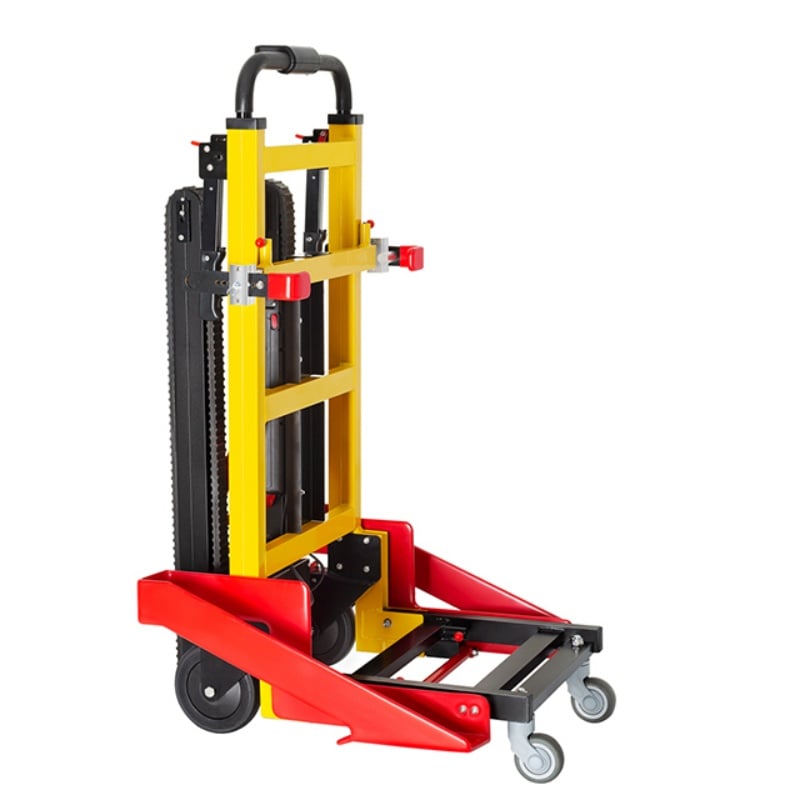
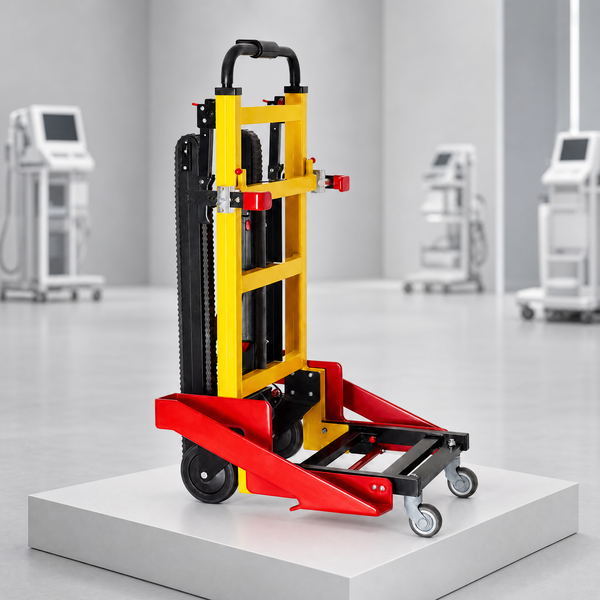
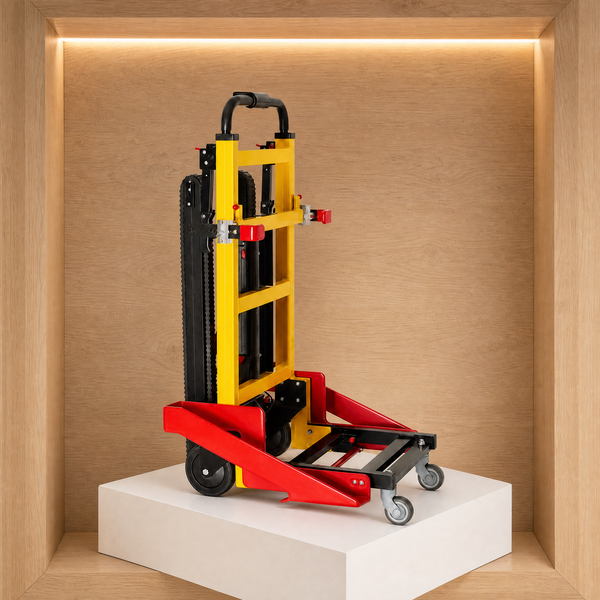
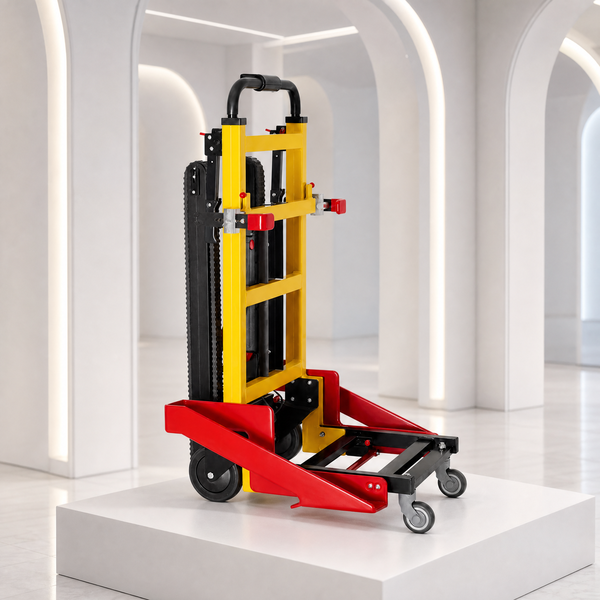
Elevator  chair lifts are essential mobility  aids designed to assist individuals in navigating stairs safely and comfortably. These  devices are particularly  important in both residential  and commercial settings where accessibility is  a  concern.  B2B buyers,  including purchasing  managers and facility operators, often have  specific requirements and  concerns  when it  comes to  sourcing  elevator chair lifts. This article will delve into key installation guidelines,  sourcing  advice, cost factors, common problems, and applications of elevator chair lifts to help buyers  make informed decisions.


Why choose XieHe elevator chair lift

Key Installation Guidelines for Elevator Chair Lifts in Various Settings

When installing elevator chair lifts, several critical guidelines must be followed to  ensure safety and functionality. First, it is essential to assess the space where  the lift will be  installed. The  area should have sufficient width and  height clearance, both for  the lift itself and for users. Standard models generally require a  minimum width of 28 inches and a  depth of around 30 inches, but these dimensions can vary based on model specifications.

Next, the installation  should  adhere to local building codes and regulations, which often dictate load  capacities and safety features. For example, lift installations often  require a secure mounting structure, typically involving wall brackets or a dedicated rail system.  It’s advisable to engage a certified technician  for installation to ensure compliance  with safety standards  and optimal performance.

Lastly, consider accessibility  features such as call buttons or remote controls, which can enhance user experience.  Properly evaluating these factors during the installation process can mitigate  future  operational issues.

Frequently Asked Questions

Our Blog Posts

What Our Partners Say

Where to Source Reliable Elevator Chair Lifts for Bulk Orders

Where to Source Reliable Elevator Chair Lifts for Bulk Orders

For businesses looking to  source elevator chair lifts in bulk, reliability and quality are paramount. One effective  approach  is to connect with manufacturers known for their  certifications, such as CE,  FDA, and ISO 13485, which indicate adherence to strict quality and safety standards. Zhangjiagang Xiehe  Import Export Co., Ltd. is an example of a manufacturer that meets these  criteria and has a proven track record in  supplying high-quality medical and accessibility products globally.

Buyers should also consider suppliers that offer customization  options to meet specific requirements, such as weight capacity, design, and additional features. Engaging with a  manufacturer that  serves a diverse range of markets and has experience with international shipping can  also simplify the procurement  process.

Additionally, leveraging  industry contacts  and attending trade  shows can provide valuable  insights and  potential sourcing  opportunities. Building a network of reliable suppliers  can facilitate smoother transactions and better pricing.

Cost Factors to Consider When Purchasing Elevator Chair Lifts

Cost Factors to Consider When Purchasing Elevator Chair Lifts

Understanding the cost factors associated with elevator  chair lifts is critical for budget planning. Key factors influencing  price include the  type of  lift (e.g., straight or curved), load capacity, additional features (like swivel seats  or power folding), and the materials used in construction. For instance,  models made with lightweight aluminum may offer cost  savings without compromising safety.

Installation costs can also vary significantly based on  complexity. A straight lift typically incurs lower installation fees compared to a curved lift,  which may require  more  precise  measurements  and additional labor.

Moreover, buyers should  factor  in ongoing maintenance costs, which can  include routine inspections and repairs. Establishing a maintenance contract with the supplier can  help manage these costs effectively. When preparing to request  quotations, it  is beneficial to provide clear specifications and expected delivery timelines  to receive accurate pricing.

Common Problems with Elevator Chair Lifts and Their Solutions

Common Problems with Elevator Chair Lifts and Their Solutions

Elevator chair lifts, while generally reliable, can encounter common issues that may affect  their performance. One frequent problem is the lift failing to operate due to power supply issues. Regularly  checking  the battery and ensuring a  stable power connection  can prevent this from becoming a recurring  issue.


Another issue is  related to mechanical wear and tear, particularly in the lift’s  rail  system.  Buyers should be  aware of the importance of  routine maintenance  checks, including lubrication of  moving parts and inspection of safety features.

If a lift becomes stuck or fails to respond, troubleshooting may involve resetting the system or checking for  obstructions in the  rail. It is advisable for  users to  familiarize themselves with the lift’s manual for specific troubleshooting steps. Engaging with the manufacturer for support  can provide additional solutions and service options.

Applications of Elevator Chair Lifts in Residential and Commercial Spaces

Applications of Elevator Chair Lifts in Residential and Commercial Spaces

Elevator  chair lifts  serve a variety of applications in both residential and commercial settings. In residential homes, they are particularly beneficial for elderly individuals or those with mobility challenges, allowing  them to maintain independence and  access all levels  of their home safely. Customization options can enhance aesthetics, ensuring the lift integrates seamlessly with home décor.

In commercial environments, such as hospitals, shopping  centers, and office buildings,  elevator chair lifts play a vital role in ensuring compliance with accessibility regulations. They  provide essential access  to multi-level buildings, thereby enhancing customer experience and accommodating individuals with disabilities.

Moreover,  in  healthcare facilities, these lifts can facilitate  the  safe transportation of patients, particularly those  in  stretchers or wheelchairs. Their versatility makes elevator chair lifts an essential  component of accessibility solutions in various sectors.

By understanding these aspects of elevator chair lifts,  B2B buyers can make informed purchasing decisions that  meet  their specific needs  and ensure compliance with safety standards.