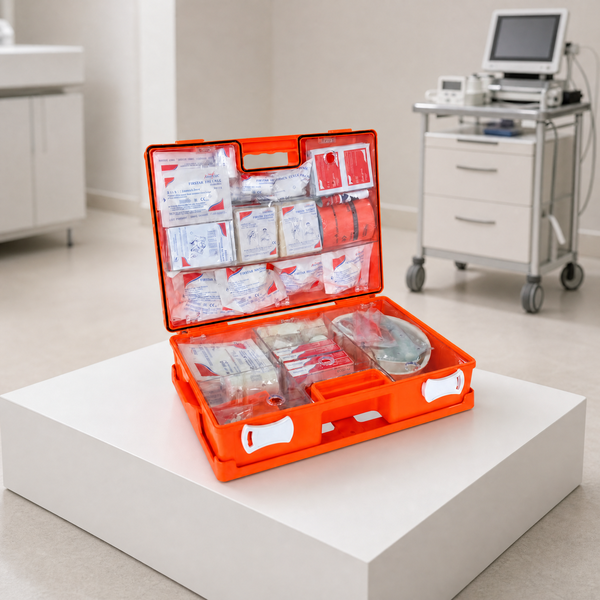
Evaluating Quality in Medical Kits for Procurement

Zhangjiagang Xiehe Import & Export Co., Ltd.

application/medical-kit, application/medical-kit, 
Inquiry
Inquiry

medical kit

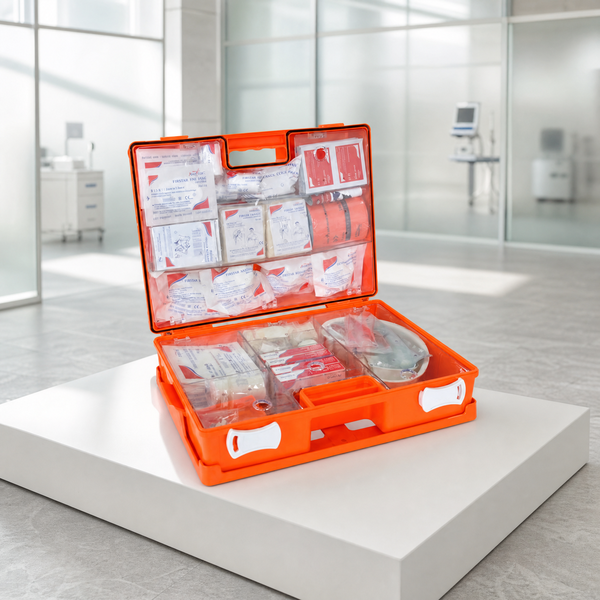
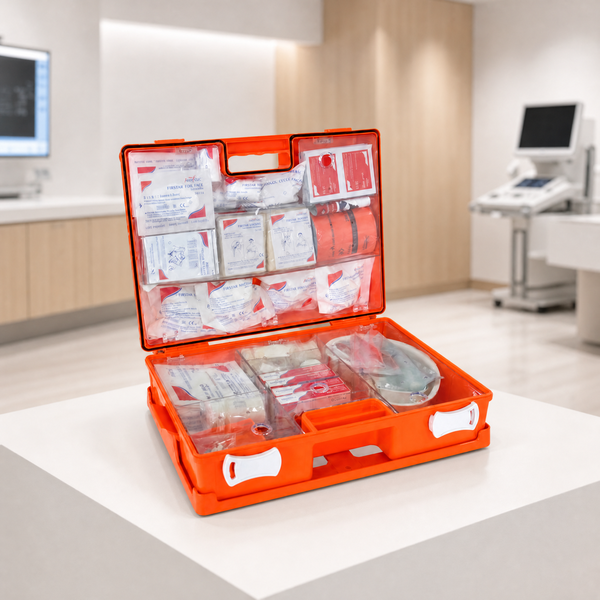
When  it comes to sourcing a medical  kit,  B2B  buyers  often  face a  myriad of  concerns regarding quality, cost, and suitability  for specific applications.  Medical  kits are  essential components in  healthcare settings,  providing critical  supplies for  emergency situations. This article will outline key considerations  for evaluating,  comparing, and ensuring the proper  use of medical kits, helping procurement managers and purchasing agents make  informed decisions.Funeral Home Products can also play a vital role in enhancing these kits.

Why choose XieHe medical kit

How to Evaluate the Quality of Medical Kits for Bulk Purchasing

Evaluating the quality of medical kits is crucial, especially  when ordering in bulk. Start by checking for essential certifications such  as CE, FDA, and ISO  13485, as these indicate compliance with international safety and  quality standards. Review product  specifications  that  detail the materials used, as these directly affect the performance and safety of the kit. For example, a medical kit containing sterile components must use materials that meet strict hygiene standards  and  perform reliably under various  conditions.

Another key aspect is  the quality control process during manufacturing.  Understanding the supplier's  quality assurance protocols  can help identify potential risks in  product consistency. It’s advisable  to  request documentation or  reports on quality inspections conducted throughout the production process. Additionally, consider requesting samples for hands-on evaluation; this allows  you  to assess the actual performance and usability of the kit before committing to a large order.  In environments where mobility is key, having a reliable Electric Stair Chair may also enhance safety.

Frequently Asked Questions

Our Blog Posts

What Our Partners Say

Understanding the Cost Factors of Medical Kits for Contractors

Understanding the Cost Factors of Medical Kits for Contractors

Cost is a  significant factor when sourcing medical kits, particularly for  contractors working on projects that require  bulk purchases. Several elements influence  the overall  cost.  First, the choice of materials can substantially  affect pricing. Higher-quality materials that offer  better durability and safety features will  typically come  at a premium.

Next, consider the customization options available. Customized kits that cater to specific project needs  may incur additional  costs but  can ultimately provide better functionality and compliance with regulatory requirements. 

Moreover, the minimum order quantity (MOQ) is a critical factor in pricing. Suppliers often offer better unit prices for larger orders, which can lead to  cost savings in the  long run. However, ensure  that the quantity aligns with your actual needs to avoid overstocking.  Lastly, factor  in shipping and handling costs, as these can  vary significantly based on the destination and logistics arrangements.

How to Compare Different Medical Kits for Your Project Needs

How to Compare Different Medical Kits for Your Project Needs

When comparing medical kits for your specific project needs, begin by outlining your requirements. Consider the  intended use  of the kit  and  the environment in which it will be deployed. For instance, a medical kit for a construction site  may need to include specific items that cater to trauma care, while  a kit for a corporate environment might focus more  on minor injuries.

Next,  create a checklist of essential features,  such as the number and type of items included, packaging type, and ease of transportation. Evaluate the specifications of each kit against this  checklist to determine which options meet your  criteria.

It can also be beneficial to compare suppliers based on their  customization capabilities. Some manufacturers allow tailoring of kit contents, packaging,  and  labeling, which can enhance  brand visibility  and ensure all necessary items are included.

Finally, don't  overlook the importance of user reviews and testimonials. Feedback from other contractors or healthcare professionals can provide insights  into the performance and reliability of  the kits  in real-world situations.

Ensuring Proper Use

Ensuring Proper Use

Proper use of medical kits  is as important as the quality of the components. To  ensure effective application, training for staff on how to  use the items  in the medical kits  is crucial. This includes familiarization with  procedures for administering first aid, understanding expiration dates of items, and proper disposal methods for  used  components.

Documentation accompanying the kits  should include clear instructions and guidelines for use. Additionally, regular  audits of the contents  can help ensure that items are not expired and are in suitable condition  for use. Establishing a routine check can prevent  last-minute scrambles for  supplies during emergencies.

In some cases, it's advisable  to  conduct refresher training sessions for staff, particularly in environments where medical kits are used infrequently. This ensures that when  the time comes  to act, the individuals are prepared and confident in their  responses.

The Importance of Material Quality in Medical Kits for Buyers

The Importance of Material Quality in Medical Kits for Buyers

Material quality plays a pivotal role in the  effectiveness  and  reliability of medical  kits. Buyers should prioritize sourcing kits that  utilize  high-grade materials capable of withstanding various environmental conditions and ensuring the  safety of the users. For example, non-toxic, hypoallergenic materials are essential for items that may  come into direct contact with patients.

Furthermore, the  manufacturing process should be transparent. Understanding how materials are sourced  and processed can reveal potential weaknesses in the final product. Consider asking  suppliers about their material testing protocols to ensure that the products meet necessary safety and  performance standards.

Another significant  aspect is the shelf life of the products within the kit. Buyers should verify that the materials used do not degrade over time, which can compromise safety and efficacy. Proper  packaging can also extend the shelf life of medical  supplies, so inquire about packaging methods and  their protective features.

Selecting  a medical kit requires careful consideration of  quality, cost, and material specifications. By following the guidelines outlined, purchasing  managers and  contractors can make informed decisions that ensure the effectiveness and reliability of the medical kits they source.