Key Specifications Every Buyer Should Know About Medical Bags
When selecting a medical bag, several key specifications must be evaluated to ensure suitability for your needs:
Material: Medical bags are often constructed from materials such as nylon, polyester, or PVC. Each material offers different levels of durability, water resistance, and ease of cleaning. For instance, nylon provides good strength and flexibility, while PVC is waterproof and easy to wipe down, making it ideal for emergency response situations. You can find various Funeral Home Products made from such materials as well.
Dimensions and Capacity: The size of the bag should align with its intended use. Consider the volume of supplies needed for various scenarios—emergency kits may require larger bags, while personal bags for patient items need to be more compact. Standard dimensions should be confirmed to ensure compatibility with storage spaces and transportation methods.
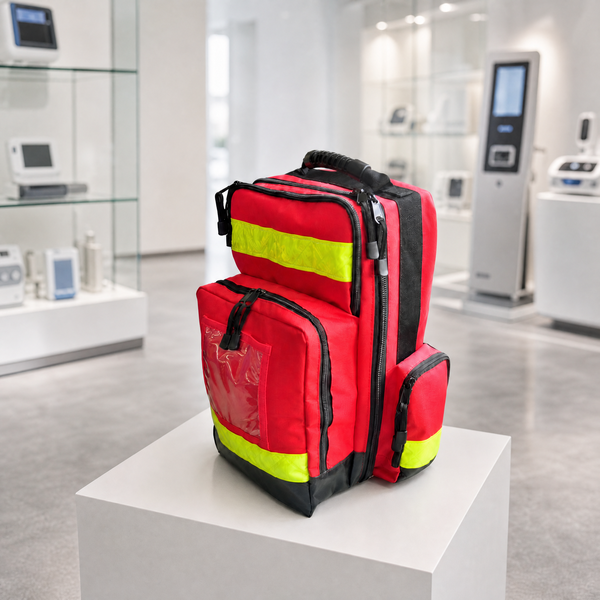
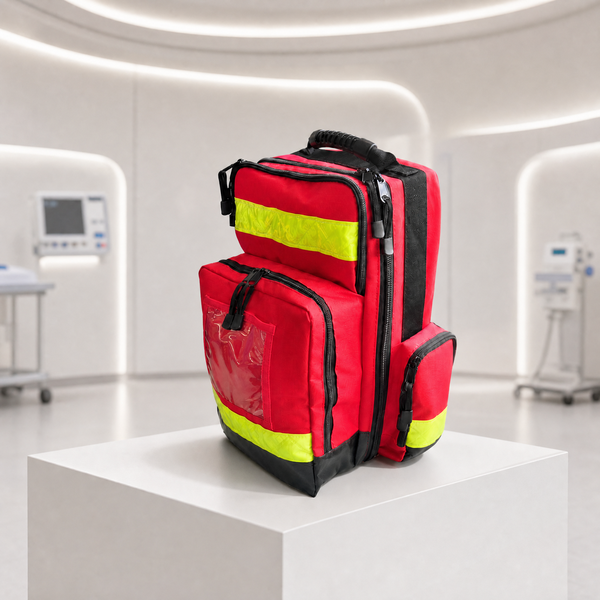
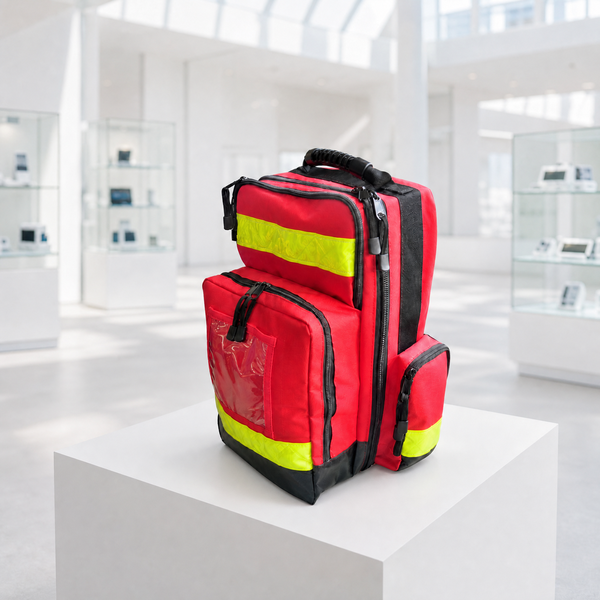
Compartments and Organization: A well-designed medical bag should feature multiple compartments or pockets to help organize supplies efficiently. This not only streamlines access during emergencies but also aids in maintaining inventory control.
Closure System: The type of closure (zippers, Velcro, or snaps) can impact the bag's security and ease of use. Zippers generally offer better protection against spills and moisture but should be tested for durability under regular use.
Weight: Consider the weight of the bag when fully loaded. A lightweight design can improve mobility, particularly in emergency scenarios where speed is crucial.
Regulatory Compliance: Look for manufacturers that adhere to relevant certifications such as CE, FDA, or ISO 13485, which ensure the products meet safety and quality standards.
 EN
EN