Choosing the Right Evacuation Seat for Emergencies

Zhangjiagang Xiehe Import & Export Co., Ltd.

application/evacuation-seat, application/evacuation-seat, 
Inquiry
Inquiry

evacuation seat

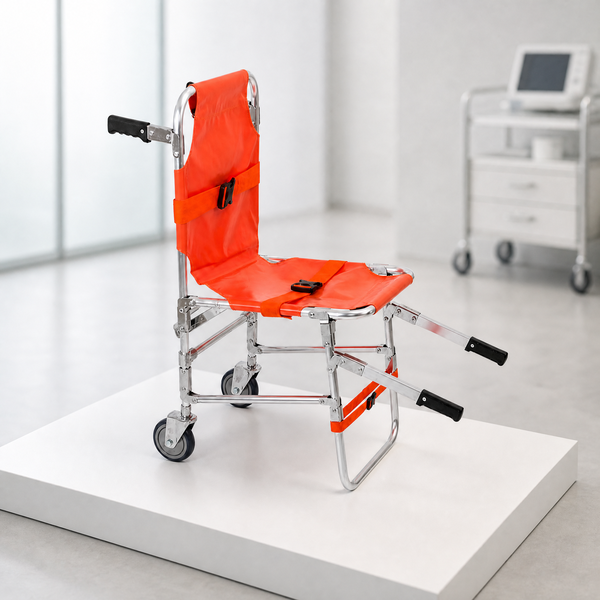
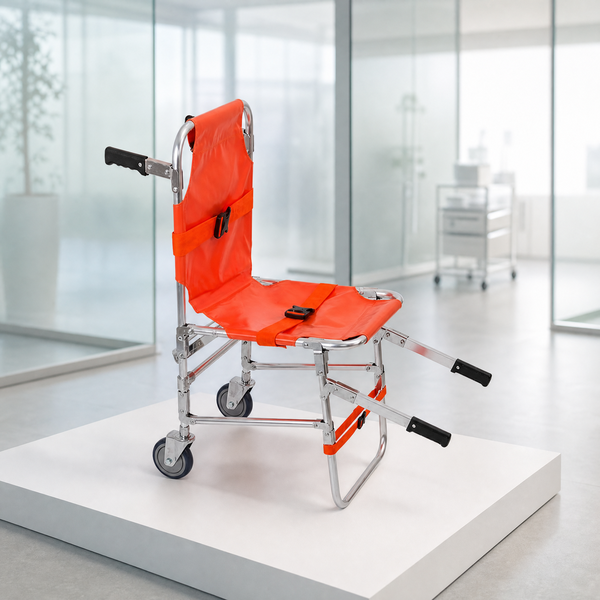
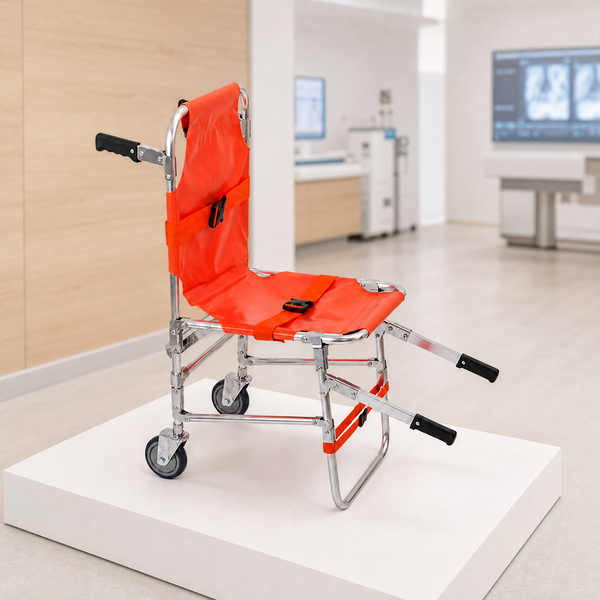
Evacuation seats  are  essential  safety  devices  designed to  facilitate the  swift and  secure  transport of individuals with  reduced mobility during emergencies. For purchasing managers, distributors, and  other B2B buyers, understanding the various  types of evacuation seats, their specifications, and the  suppliers available is crucial for making  informed decisions. This  article addresses key considerations for  selecting the right evacuation seat,  reliable suppliers,  quality  factors, installation processes, and common  issues to look out for.

Why choose XieHe evacuation seat

Our Products

Choosing the Right Evacuation Seat for Your Needs

When selecting an evacuation  seat, it’s important to consider  several factors that relate to  both the user's needs and the environment in which the  seat will be used. Key specifications include:

Weight Capacity: Ensure the evacuation seat  can support the maximum weight of users. This is crucial  for safety and compliance with standards. Material: Look for  high-strength, lightweight materials like aluminum or reinforced plastics,  which  contribute to durability and ease of transport. The material should also be resistant  to wear and easy to clean, particularly in medical or high-traffic  environments. Design and Comfort: Seats should provide adequate support and comfort for users, especially if they  may  need to be seated for extended  periods during an  evacuation. Portability: Consider how easy the  seat is to carry and deploy. Features like foldability or lightweight design can significantly enhance usability. Compliance: Verify that  the evacuation seat meets relevant safety standards and certifications, such as CE or FDA approval, especially for healthcare applications.

Assessing  these factors will help buyers  select  an evacuation seat that effectively meets their specific requirements. For instance, integrating reliable Funeral Home Products can enhance overall safety measures during an evacuation.

Frequently Asked Questions

Our Blog Posts

What Our Partners Say

Reliable Suppliers for Evacuation Seats

Reliable Suppliers for Evacuation Seats

Finding a reliable supplier is essential for ensuring quality and consistency in procurement. Look for suppliers with:

Certifications: Suppliers  like Zhangjiagang  Xiehe Import Export Co., Ltd. who are CE/FDA/ISO 13485 certified  demonstrate their commitment to  quality and safety standards. Experience: Choose suppliers with  a proven track record in the industry. Experience can  indicate reliability and a  deeper understanding of product specifications. Customization Options: Suppliers that offer customization can better meet unique  buyer requirements, whether it's for specific dimensions, materials, or branding. Global Reach: A  supplier with a wide distribution network, like Xiehe,  which  serves over 30 distributors in 120 countries, can ensure product availability and support across  different regions. Customer Support: Assess the level  of customer  service offered, including responsiveness to  inquiries  and after-sales support.

By evaluating these  factors, buyers can select suppliers that not only provide quality products but also enhance the overall purchasing  experience. Additionally, considering options like an Ambulance Stretcher can be beneficial in emergencies.

Quality and Cost Factors

Quality and Cost Factors

The relationship between quality and cost  is critical in the procurement of evacuation seats. Factors affecting this include:

Material Quality: Higher-quality materials often  lead to increased costs but provide better durability and  safety.  For instance,  seats with reinforced stitching or UV-resistant materials may have a higher upfront cost but reduce long-term replacement  expenses. Production  Processes: Understanding the manufacturing capabilities of suppliers can help buyers appreciate  the quality assurance measures in place. For example, ISO 13485 certification indicates  adherence to stringent quality management systems in medical device production. Customization Costs: Custom features  may incur additional costs. Buyers should  assess whether these features will significantly impact functionality or user comfort. Lead Time: Faster production times may come  at a premium. Balancing the urgency of  delivery  with the associated costs is important for budget-conscious buyers. 

Buyers should consider these  quality and cost factors holistically to  ensure they  are making a sound investment  in evacuation seats.

Understanding the Installation Process for Evacuation Seats

Understanding the Installation Process for Evacuation Seats

Proper installation of evacuation seats is crucial for  ensuring safety and functionality. This includes:

Site  Assessment: Before installation, a thorough assessment of the  installation environment is necessary. This helps determine the best location for the evacuation  seat, considering factors like accessibility and proximity to evacuation routes. Installation Guidelines: Buyers should carefully  follow the  manufacturer's installation instructions. This often includes securing the seat to prevent movement during  use and ensuring it is easily accessible in emergencies. Training: Providing training for staff on proper usage and maintenance of  the  evacuation seats  can significantly enhance their effectiveness. This includes demonstrating how  to properly assist individuals  into the seat and how to navigate evacuation routes. Regular Maintenance Checks: Establishing a routine for inspecting  the evacuation seats for wear and tear  or any operational issues is vital. Regular checks can prevent malfunctions during critical  moments.

A  clear understanding of these steps ensures that evacuation seats are not  only effectively installed  but also  maintained for ongoing reliability.

Common Problems with Evacuation Seats and Their Solutions

Common Problems with Evacuation Seats and Their Solutions

While evacuation seats are designed for safety and functionality, issues can  arise. Common problems include:

Wear and Tear: Over time, materials  may degrade,  leading to compromised safety. Regular inspections can identify issues early. If identified,  promptly replacing  worn components can prevent accidents. User Issues: Some users may have difficulty using the seats due  to design flaws or inadequate instructions. Ensuring that user guides are clear and accessible can  help mitigate confusion in emergencies. Compatibility with Other  Equipment: Evacuation seats must  be compatible with other emergency  equipment, such as stretchers or  lifts. Testing compatibility during procurement is essential to avoid operational hiccups. Storage Challenges: Inadequate storage can lead to damage or difficulties in quick deployment.  Buyers  should evaluate storage solutions that keep the  seats easily  accessible and in good condition.

By being aware of these potential issues and their solutions, buyers can make informed  decisions that  enhance the safety  and functionality of evacuation seats  in their facilities.