Choosing the Right CPR Breathing Mask for Emergencies

Zhangjiagang Xiehe Import & Export Co., Ltd.

application/cpr-breathing-mask, application/cpr-breathing-mask, 
Inquiry
Inquiry

cpr breathing mask

A CPR breathing mask is a crucial piece of  equipment designed to  facilitate  artificial  respiration in emergency situations. For purchasing managers,  distributors, and emergency response teams,  selecting the right  CPR breathing mask is  essential to ensure effective and  safe  use  during critical moments. This  article will  guide you through the factors  to consider  when choosing a mask,  installation  guidance for effective use,  applications  in emergency response settings,  and the features and materials that contribute to their effectiveness.

Why choose XieHe cpr breathing mask

How to Choose the Right CPR Breathing Mask for Your Needs

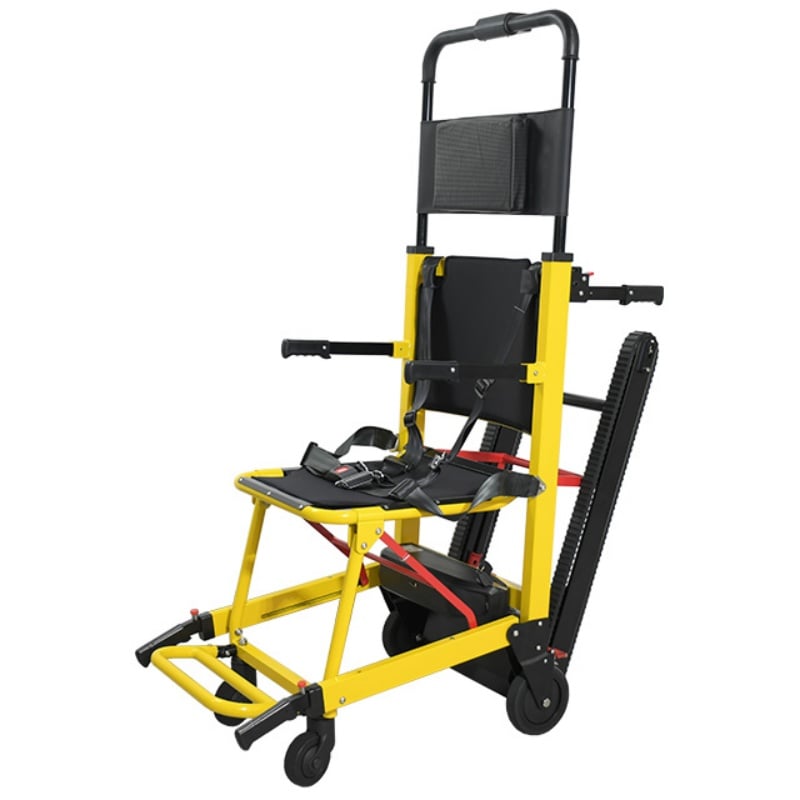
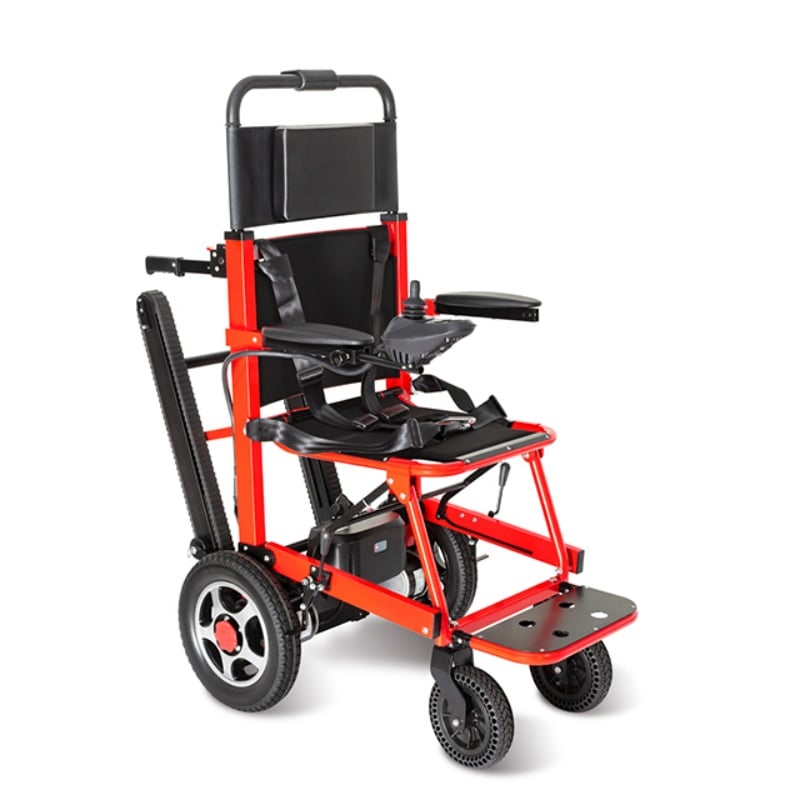
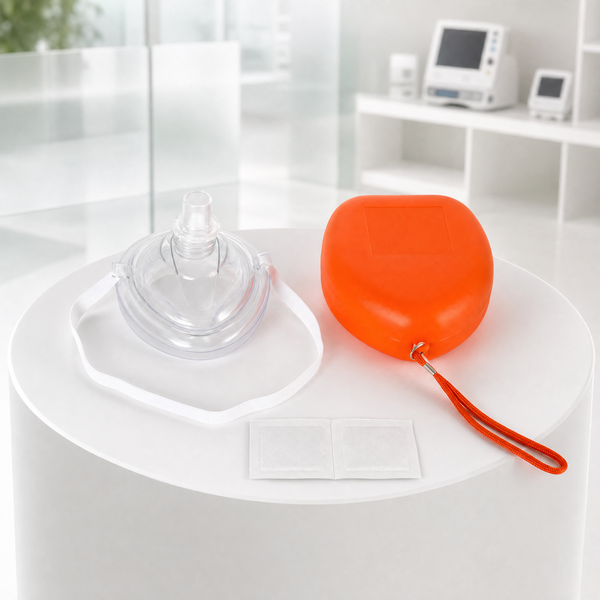
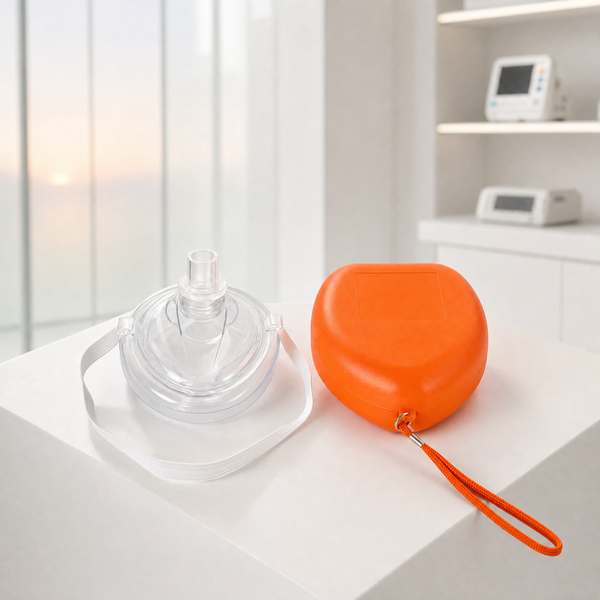
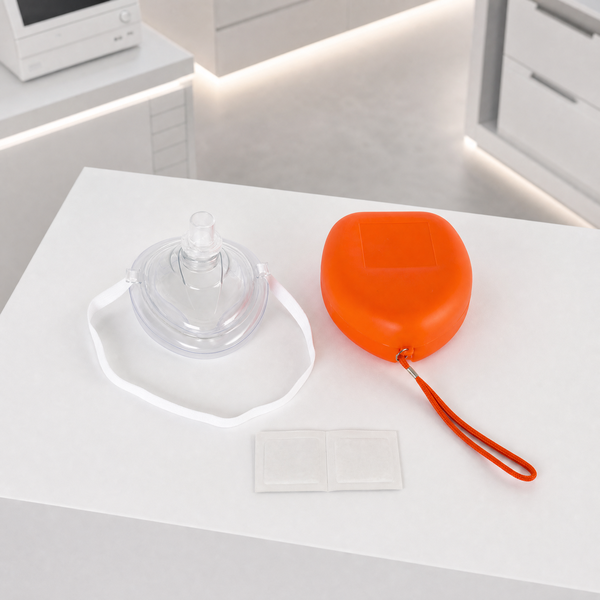
When selecting a CPR breathing mask, it is vital to consider a few key aspects that align  with  your specific needs.  First,  evaluate the mask's design. Options typically include pocket masks  with one-way valves, which prevent the backflow of air and secretions, and barrier masks that provide  a wider sealing surface. The choice depends on the  intended use, such as whether it will be used by trained professionals or laypersons. Additionally, using a suitable Stair Solution can enhance accessibility in emergency situations.

Next, consider the size and fit. A mask that fits securely will provide a better seal, minimizing air leakage during resuscitation attempts. It's beneficial to have masks available in various  sizes to accommodate  different user requirements, including pediatric options for children. Additionally, check the mask's clear visibility feature. A  transparent  mask  allows for visual confirmation of proper placement during use.

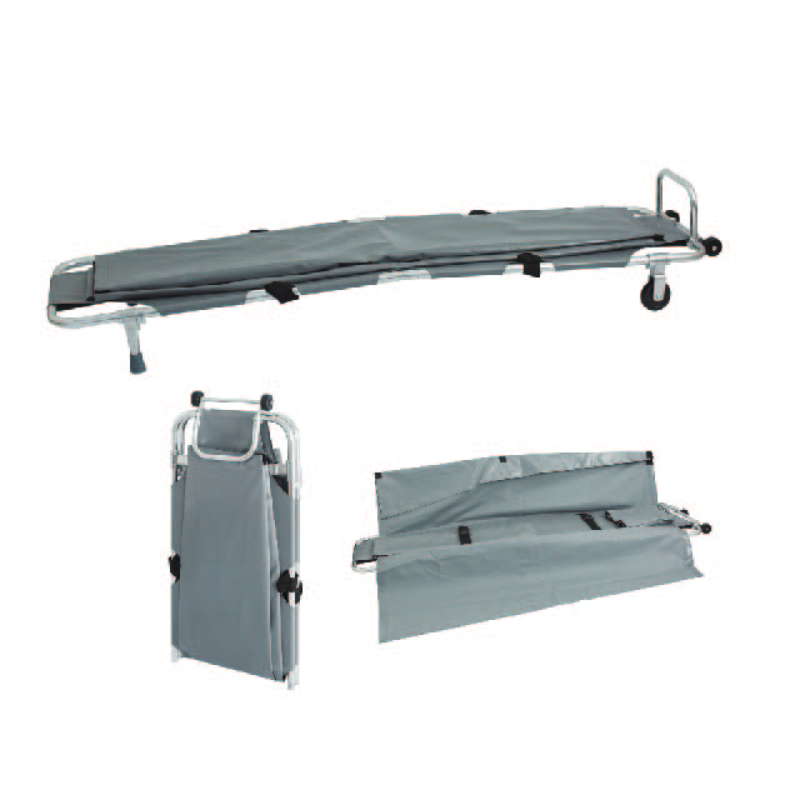
Finally, examine the manufacturer's certifications and  quality  control processes. Choosing a CPR breathing mask  from a  supplier with CE, FDA, or ISO 13485 certifications,  like  Zhangjiagang Xiehe Import Export Co., Ltd., ensures compliance with international safety standards, which is crucial for emergency medical  equipment. For example, First Aid Products are often used alongside CPR masks in emergency kits.


Frequently Asked Questions

Our Blog Posts

What Our Partners Say

What to Consider

What to Consider

Several factors influence the effectiveness and reliability of CPR breathing masks. One critical consideration is the material used in the mask's construction. Masks made from high-quality, hypoallergenic materials not only provide durability  but also ensure safety for users with sensitivities. Common  materials include medical-grade  PVC and  silicone. The material choice affects the mask's flexibility, comfort,  and ability to maintain a proper seal during use.


Another important aspect is the inclusion of  a one-way valve.  This feature helps to prevent contamination during use, providing a safeguard for  both  the rescuer  and  the victim. The valve should be easy to clean or replace, as maintenance is essential  for repeated use in training or emergency situations.

Buyers should also consider the packaging  and  shipping options.  Masks that come in individual sterile packs  are  ideal  for emergency kits, while bulk packaging may be preferable for training purposes.  Understanding the minimum order quantity (MOQ) and lead times is essential for planning inventory and ensuring availability.

Installation Guidance for Effective Use of CPR Breathing Masks

Installation Guidance for Effective Use of CPR Breathing Masks

Proper installation and use of  CPR breathing masks are crucial for effectiveness. Start  by ensuring the mask  is free  from any damage or contamination before use. Place the mask over the victim's mouth and nose, ensuring a snug  fit that creates an airtight seal. The one-way  valve should  face away from the rescuer, allowing for effective air delivery and preventing any backflow.

In case of multiple rescuers, the second rescuer can  perform chest compressions while the first  maintains the mask seal  and delivers  rescue breaths. Correct positioning of the head  is also  essential; tilting  the head back slightly opens  the airway, facilitating effective ventilation.


Training on the proper use of CPR breathing masks is recommended for all potential users, including  first responders, healthcare professionals, and laypeople involved in emergency response. Regular refresher courses can help maintain skills and  ensure confidence during actual  emergencies.

 
Applications of CPR Breathing Masks in Emergency Response Settings

Applications of CPR Breathing Masks in Emergency Response Settings

CPR  breathing  masks are used  across  various emergency response settings, such as hospitals, ambulances,  and community first aid kits. They are essential tools  for emergency medical technicians (EMTs), paramedics, and trained bystanders during cardiac arrest  situations. Their portability and ease of use make them ideal for quick  response in critical moments.

In  hospital settings, CPR masks  are vital during resuscitation procedures, where immediate ventilation may be necessary. The  ability to provide oxygen quickly can significantly enhance patient  outcomes during cardiac events. In public access defibrillator (PAD) programs, CPR masks are  often included in the response kit, ensuring bystanders can assist  effectively until professional help arrives.

Additionally,  these masks are widely  used in training programs for CPR and first  aid to educate individuals on proper  resuscitation techniques. Training organizations often use realistic scenarios with CPR masks, allowing  participants to practice skills in a controlled  environment.

Features and Material Benefits

Features and Material Benefits

The effectiveness of a  CPR breathing mask is largely determined  by its features and materials. High-quality masks typically incorporate soft, flexible materials that provide comfort during use, while also ensuring a  reliable seal around  the face. Medical-grade PVC or  silicone are commonly used  due to their durability  and hypoallergenic  properties.

A key feature of many CPR masks is the one-way valve, designed to allow air to flow in  only from the rescuer and prevent any backflow. This  valve is often constructed with a  clear plastic casing,  allowing rescuers to monitor the victim's condition and improve visibility during  use.

The design may also include a contoured shape to fit various face sizes and shapes, enhancing the  mask's effectiveness. Some advanced models come with additional features, such as integrated oxygen ports for supplemental oxygen delivery, which  can  be beneficial in certain medical situations.

In summary, selecting the right CPR breathing mask requires careful consideration of design, material, features, and  intended application. By focusing on  these aspects, buyers can ensure they choose  a reliable product that meets their emergency response  needs.