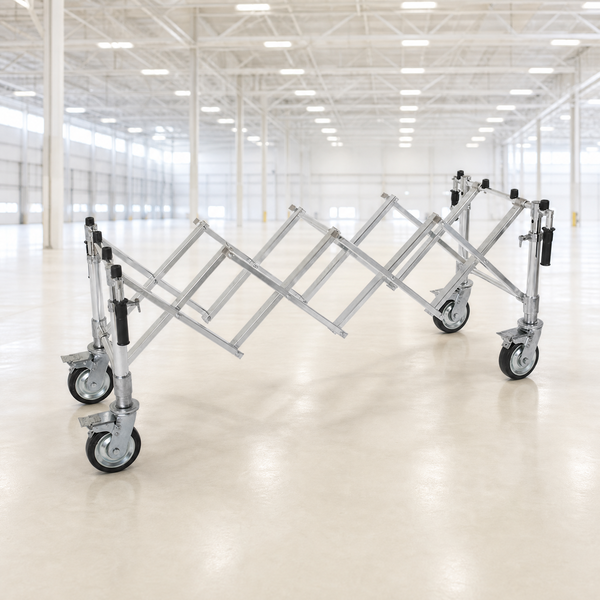
Key Specifications of Church Trucks for Buyers

Zhangjiagang Xiehe Import & Export Co., Ltd.

application/church-truck, application/church-truck, 
Inquiry
Inquiry

church truck

Church trucks are essential  for transporting items within religious  institutions, particularly  during ceremonies and  services. As a B2B  buyer, understanding the specifics of  church  trucks,  such  as  their construction, materials, and suitability  for  various  applications, is crucial for  making informed  purchasing decisions. This article will provide insights into the key specifications, selection criteria, and cost factors that wholesale buyers should consider when  sourcing  church trucks,  ensuring that they can meet the  diverse needs of their clients  effectively.

Why choose XieHe church truck

Understanding the Key Specifications of Church Trucks for Wholesale Buyers

When purchasing church trucks, it is important to evaluate specific technical specifications that affect their functionality and durability. Key specifications include load capacity, dimensions, materials, and design features.

Load Capacity: Church trucks are designed to carry various items,  from liturgical supplies  to caskets. Typical load capacities range  from 300 to 800 pounds, depending on the model. Buyers  should assess the  maximum load requirements based on the intended use to ensure that the truck will adequately support the items being transported.

Materials: Church trucks are commonly made from durable materials such as  steel or aluminum.  Steel offers  strength and stability, while aluminum provides a lightweight option  that is easier to maneuver. Corrosion-resistant coatings are also important, especially for trucks used in outdoor settings or humid environments.

Dimensions: The size of the church truck impacts its usability. Buyers  should consider the dimensions of the  items to be transported and the available space for storage  and handling within the church. A compact design may be beneficial for smaller facilities, while larger trucks may  be necessary for bigger churches or funeral homes.

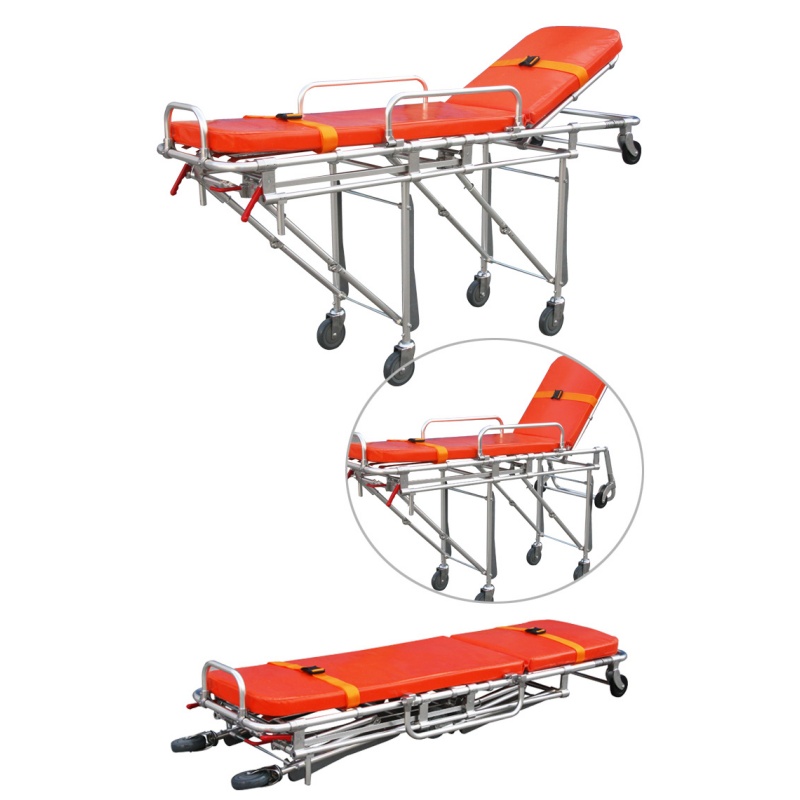
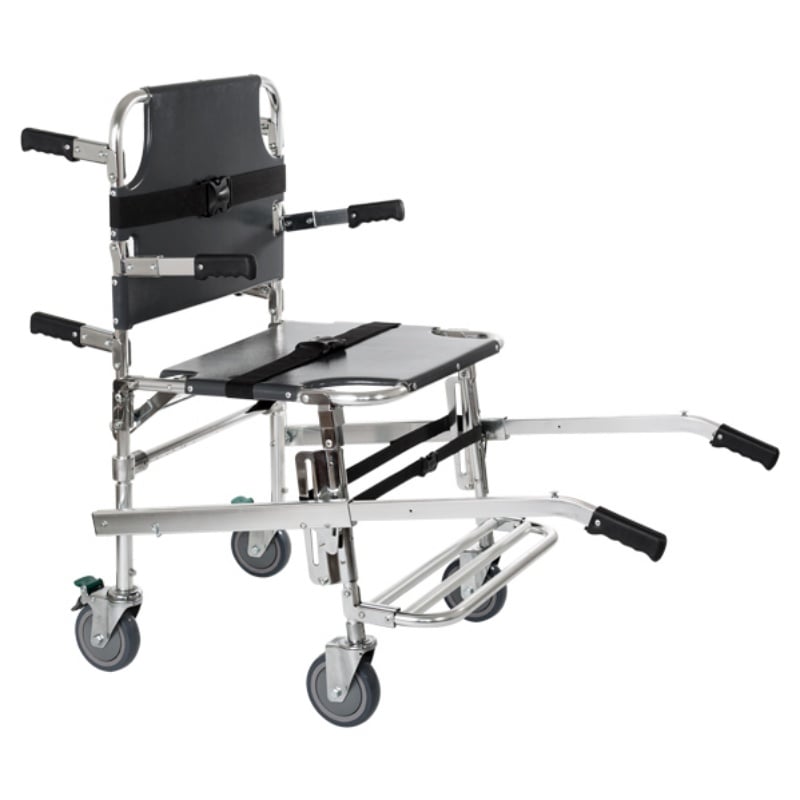
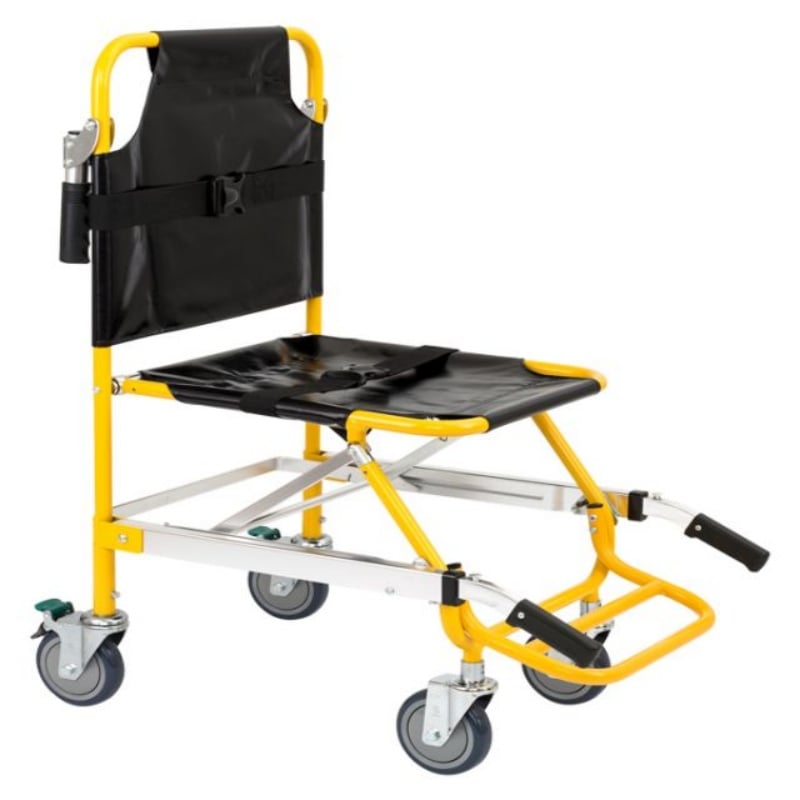
Design  Features: Features such as collapsible designs,  adjustable height, and wheel types can enhance maneuverability and storage. Church trucks with swivel  wheels facilitate easy navigation around corners, while fixed wheels can provide stability during transport. Assessing these features  can help buyers choose a truck that aligns with  their  operational needs.


Frequently Asked Questions

Our Blog Posts

What Our Partners Say

How to Choose the Right Church Truck for Your Distribution Needs

How to Choose the Right Church Truck for Your Distribution Needs

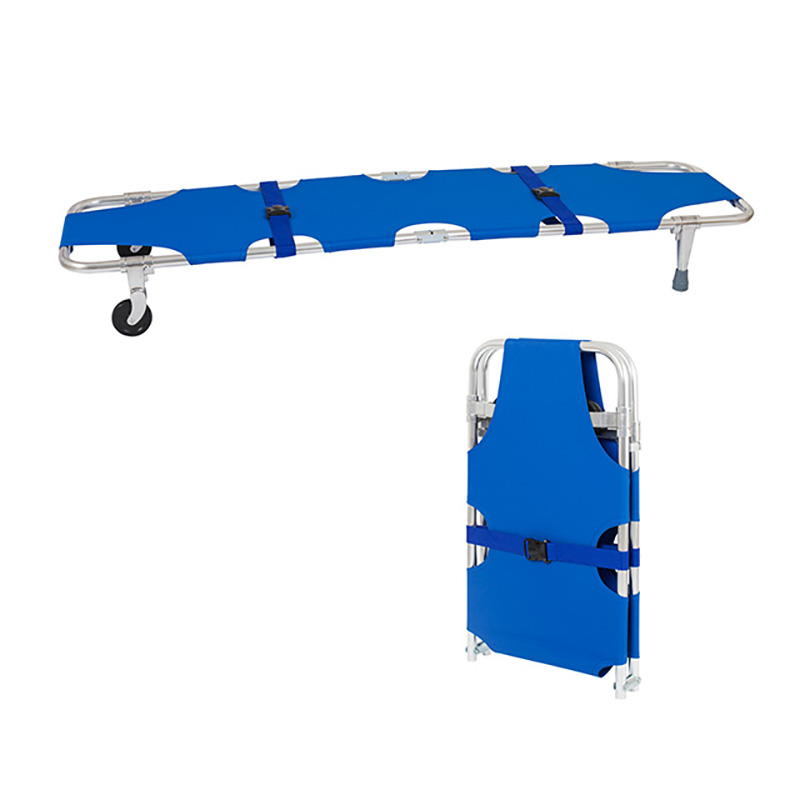
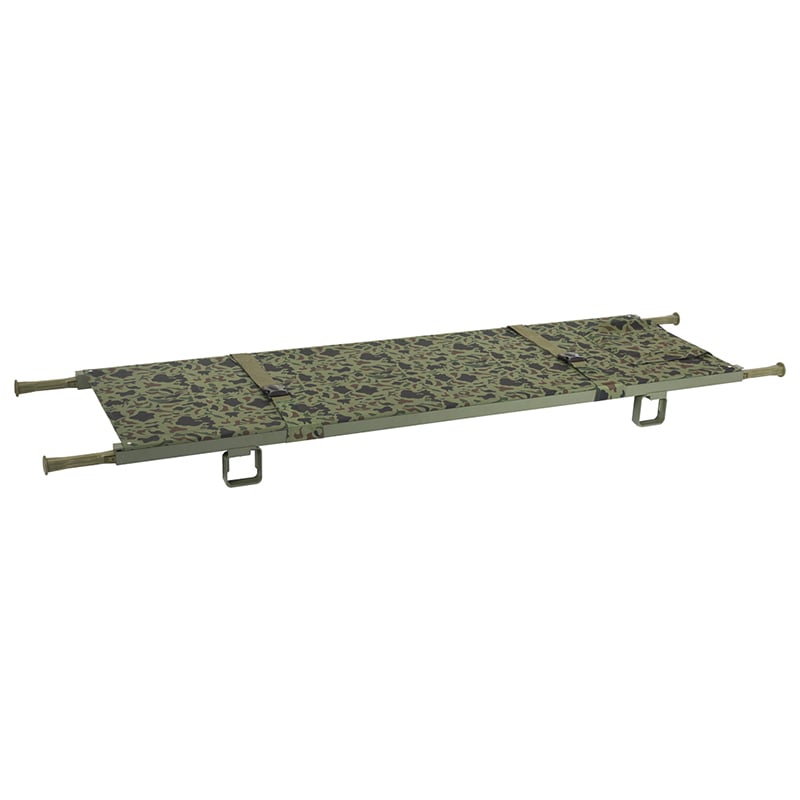
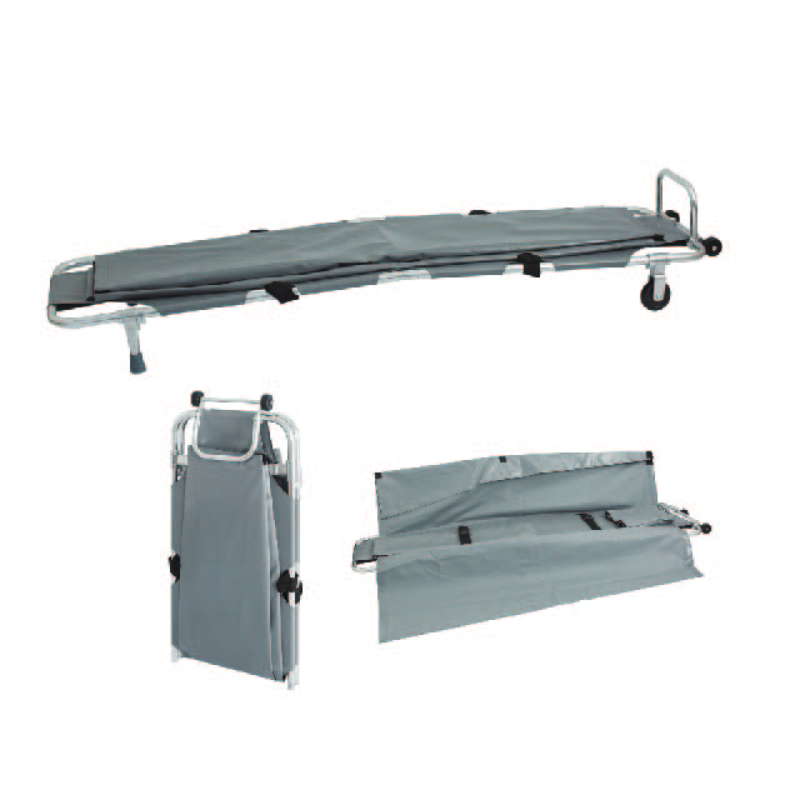
Choosing the  right church truck involves understanding the specific requirements of your distribution  network. Buyers  should consider factors such as the types of items being transported, frequency of use, and  the environment in which the trucks will  operate. For instance, if you require a truck specifically for carrying caskets, models such as the YXH-1H Folding Stretcher would be ideal due to their robust construction.

Application Suitability: Identify the primary items that will be transported using  the church truck. For instance, if  the truck  will be used to carry caskets, it should have a higher load capacity and robust construction. Alternatively, if it will be used for lighter items, a more lightweight model may  suffice.

Frequency of Use: Determine how often the church truck will  be utilized. For frequent use, investing in  a  higher-quality, more durable model  may reduce long-term costs associated with  repairs  and replacements.

Environmental  Considerations: Consider where the church truck will be used. Indoor environments may not require as much  durability against the elements, while outdoor use necessitates weather-resistant features and materials.  Additionally, ensure that the wheels are suitable for various  surfaces, whether smooth floors or  uneven outdoor terrain.

What Buyers Need to Know

What Buyers Need to Know

Before placing an order, buyers  should gather relevant information to facilitate the purchasing process. This includes confirming specifications, understanding manufacturing capabilities, and discussing customization  options.

Confirm Specifications: Clearly  outline the desired specifications,  including  load capacity, materials, and dimensions. This will help avoid misunderstandings during the production process and ensure that the final product meets expectations.

Manufacturing  Capabilities: Understand the  supplier’s production capabilities. For example, Zhangjiagang Xiehe Import Export Co., Ltd. has CE/FDA/ISO 13485 certifications, which assure quality and compliance with regulatory standards. Buyers should inquire  about the  production equipment and quality control processes to assess  the reliability of  the supplier.

Customization Options: Many  manufacturers offer customization services, allowing buyers to tailor  the church truck to specific needs.  This could include adjusting  dimensions, selecting materials,  or adding features  such as additional  storage compartments. Discussing these options can  enhance the overall utility of the product.

 
Supplier Insights for Importers

Supplier Insights for Importers

When  sourcing church trucks internationally, importers should  consider several factors to ensure a smooth procurement process.

Quality Assurance: Verify that the  supplier  adheres to strict quality  control  processes. Understanding the  manufacturer's quality  assurance measures helps  ensure that  the products meet necessary standards and specifications.

Export Markets: Familiarize yourself with the  supplier's  experience  in export markets. A supplier with a  strong global network can provide insights into logistical challenges and compliance  with international shipping regulations.

Lead  Times: Discuss lead times for production and delivery. Understanding the timeframes involved can help  in planning inventory and  managing  customer expectations.

 
Cost Factors to Consider When Purchasing Church Trucks in Bulk

Cost Factors to Consider When Purchasing Church Trucks in Bulk

The cost of church trucks can vary significantly based  on several factors. Buyers should consider the following elements when evaluating pricing:

Material Costs: The choice of materials directly  impacts the price. Steel  trucks  may be more  expensive than aluminum options, but they may offer better longevity.  Buyers should weigh  the long-term benefits against  initial costs.

Customization: Custom features often  come at  an additional cost. While customization can provide added value, it is important to ensure that the benefits justify the extra expense.

Minimum Order Quantity (MOQ): Suppliers often have a minimum order quantity that can affect  pricing. Ordering  in bulk may reduce the unit price, but buyers should  ensure that the total order aligns with their actual needs to  avoid excess inventory.

Shipping and Handling: Importers should also factor in shipping costs and potential tariffs when calculating the total cost of the purchase. Understanding these costs upfront can prevent budget overruns and ensure  a clear financial picture.

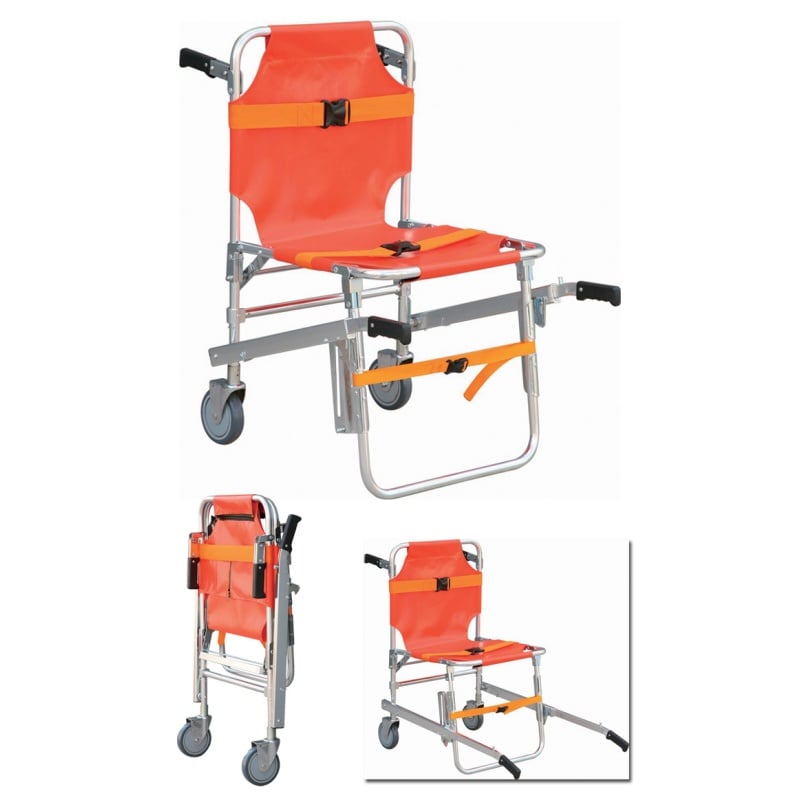
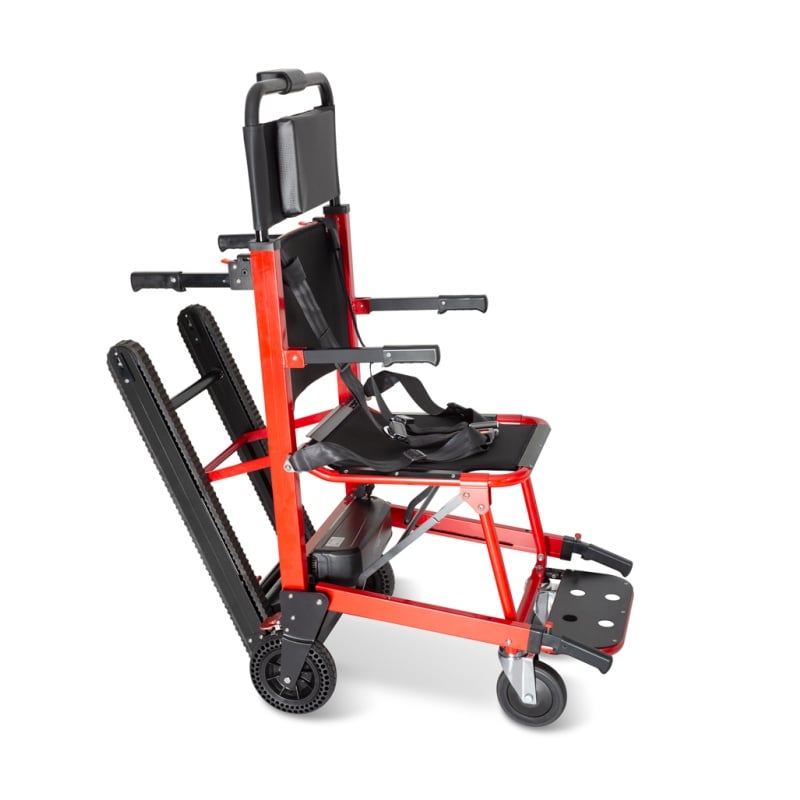
By considering these specifications and factors, B2B buyers can make informed decisions when selecting church trucks  that meet their operational needs. Proper  evaluation will not only enhance the purchasing experience but also ensure that the chosen products are reliable  and effective for  their  intended applications, such as using durable models like the YXH-5P Stair Stretcher for heavier items.