Choosing the Right Funeral Church Truck

Zhangjiagang Xiehe Import & Export Co., Ltd.

application/funeral-church-trucks, application/funeral-church-trucks, 
Inquiry
Inquiry

funeral church trucks

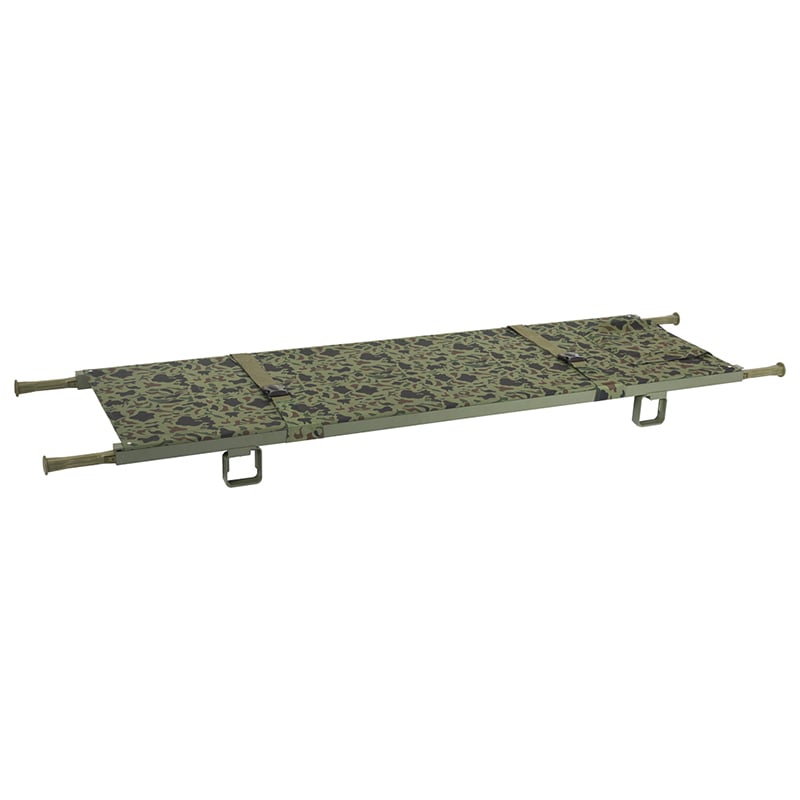
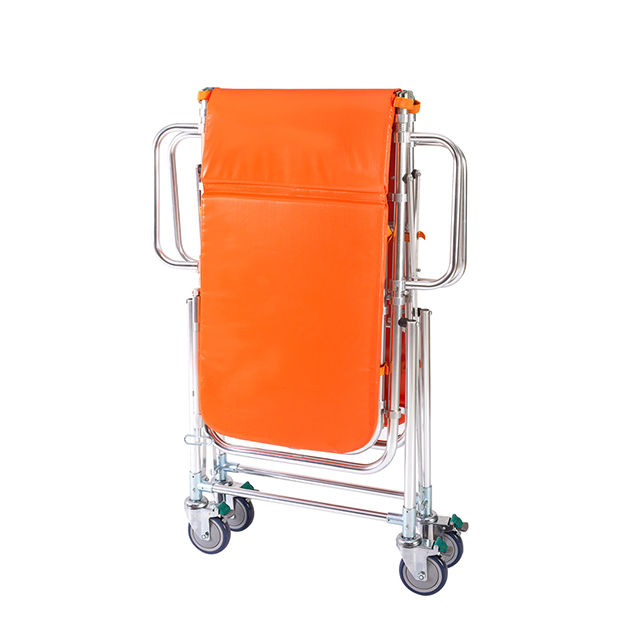
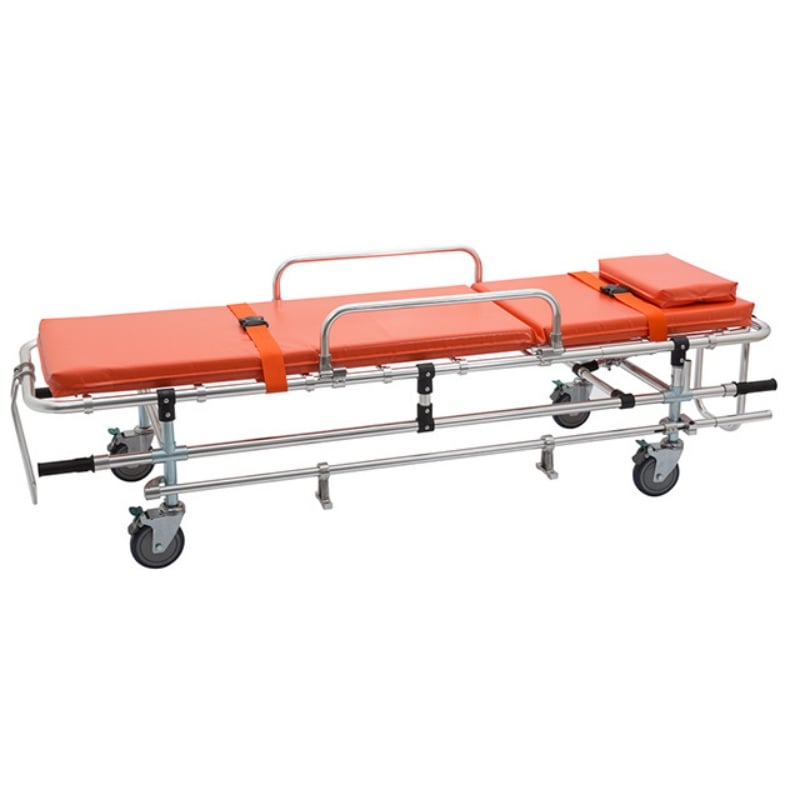
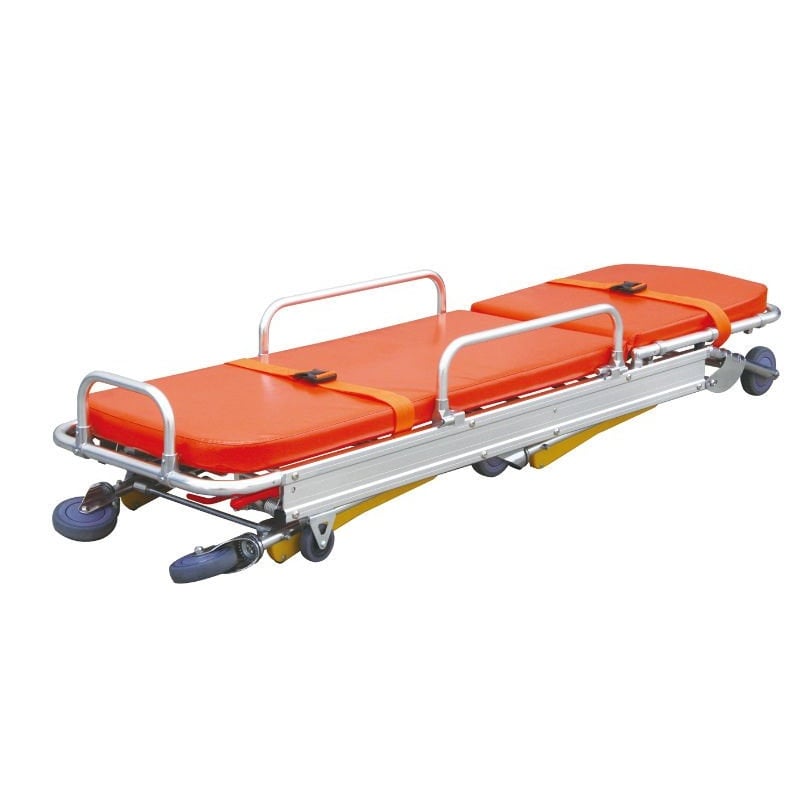
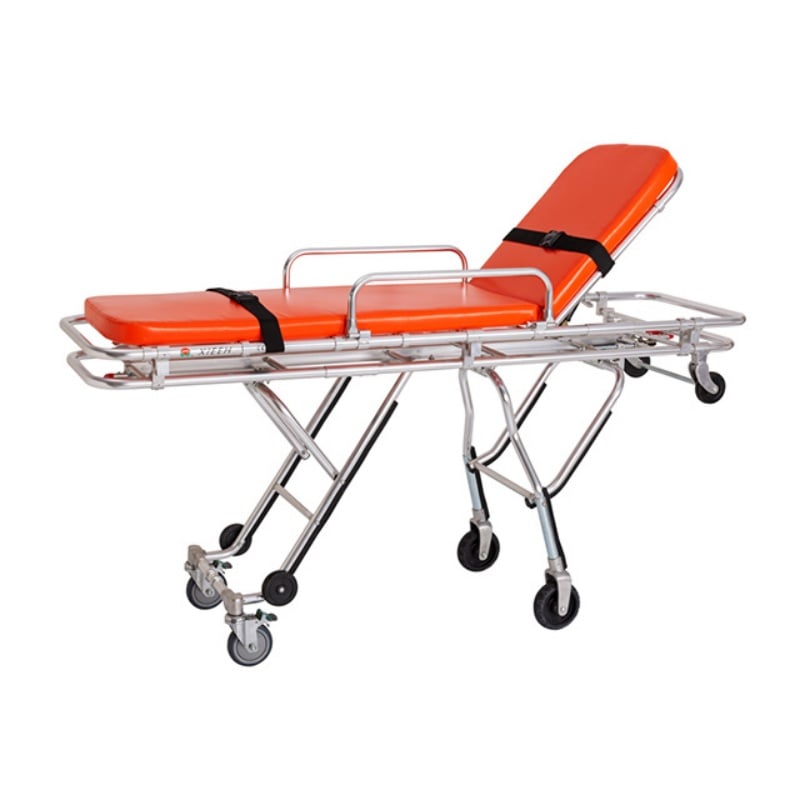
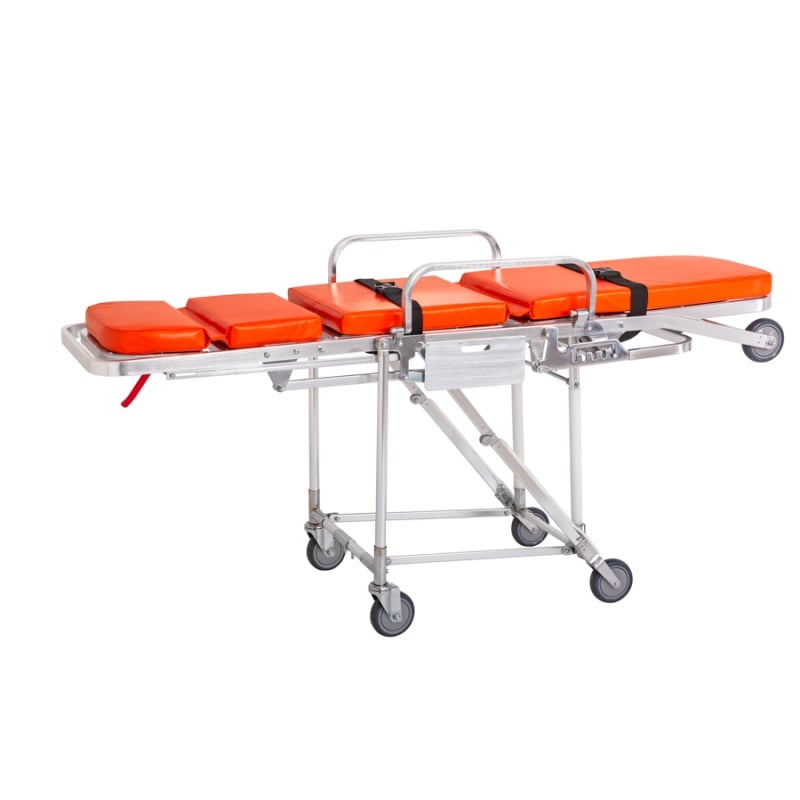
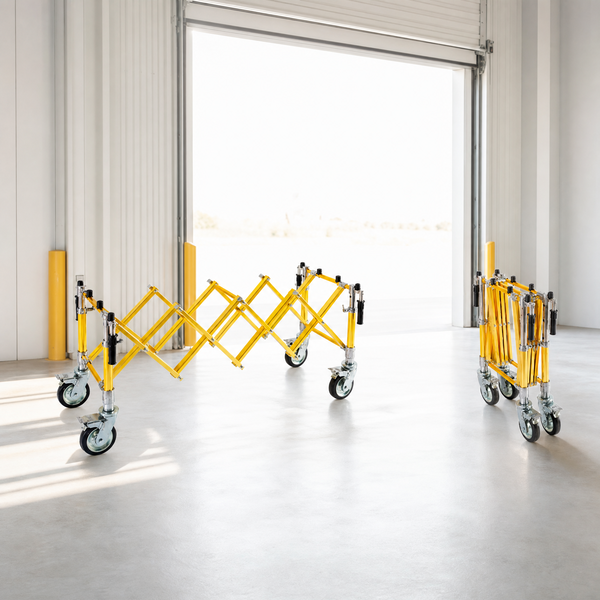
Funeral church trucks are essential equipment used in the transportation of caskets within places of worship and funeral homes.  These specialized carts ensure the  dignified handling and movement of  deceased  individuals during  memorial services. For  B2B buyers such  as purchasing managers and  funeral service providers, selecting  the  right funeral  church truck involves understanding various specifications, features, and cost factors.  This article  will guide you through the key  considerations for choosing,  comparing,  and installing funeral church trucks in  your  facility, as well as their applications  in multiple  settings.

Why choose XieHe funeral church trucks

Choosing the Right Funeral Church Truck for Your Needs

When selecting  a funeral church  truck, start by identifying the specific needs of your facility. Consider the dimensions of the  truck,  as they must accommodate the casket sizes you typically handle.  Standard funeral church  trucks  are designed to support caskets weighing up to 1,000 pounds, but it’s crucial to confirm the load capacity  based on your requirements.

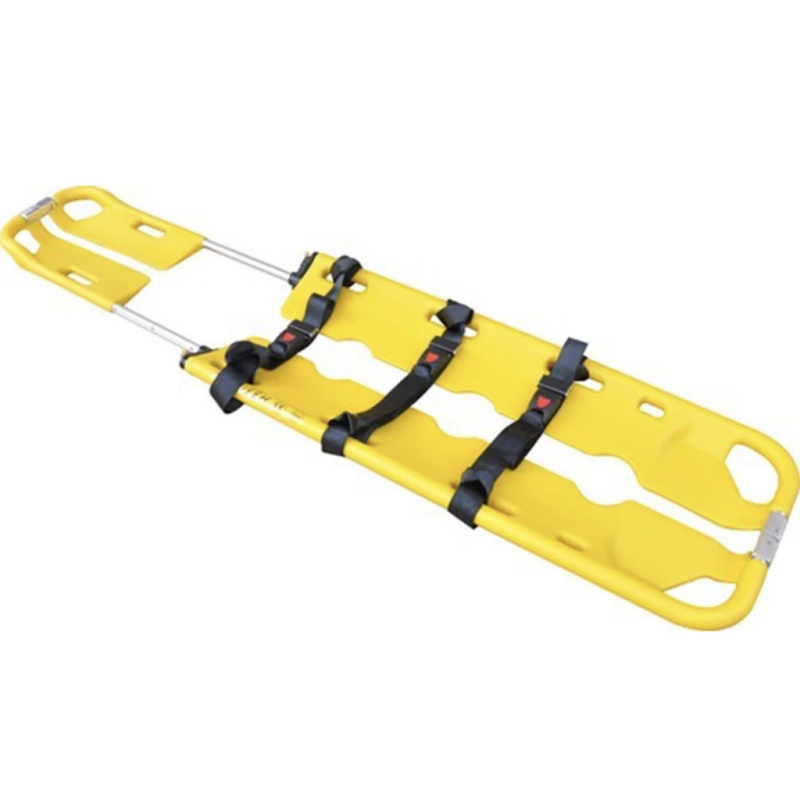
Material  choice is  another vital factor. Most funeral church trucks are made  from durable steel or aluminum, with options  for  different finishes.  Stainless steel options are popular  for their corrosion resistance and aesthetic appeal, while aluminum trucks  offer a lighter weight and easier maneuverability. Evaluate  your facility's layout and the  ease of transport when  selecting the material and  design. For example, if you are looking for a lightweight option, you might consider the YXH-5G Stair Stretcher as a model to review.

Finally, consider any customization requirements. Many manufacturers, including Zhangjiagang Xiehe Import & Export Co., Ltd., offer customization options to tailor the trucks to specific needs, such as color, size, or additional features like padded handles or brakes.

Frequently Asked Questions

Our Blog Posts

What Our Partners Say

How to Compare Funeral Church Truck Features Effectively

How to Compare Funeral Church Truck Features Effectively

When comparing features, focus on  key elements such as dimensions, weight capacity, and maneuverability. A well-constructed funeral  church truck should have stable wheels  for easy navigation through narrow corridors and doorways. Look for models that include  locking mechanisms for  safety during  transport.

Evaluate the design of the truck. Some models  feature a folding design, making them easier  to store when not in  use, while others may have fixed components for added stability. Additionally, consider the ease of cleaning and maintenance. A truck with a smooth finish can be  wiped  down quickly, reducing the time  and effort  needed for upkeep.

Another  feature to compare is the handle design. Ergonomic handles can  significantly improve user comfort, especially when maneuvering heavy caskets.  Ensure that the handle height is adjustable or comfortable for  your  staff to  minimize strain during transport.

Understanding the Cost Factors for Funeral Church Trucks

Understanding the Cost Factors for Funeral Church Trucks

The cost of a funeral church truck can vary significantly based on its features and materials. Basic models may range from  $300 to  $700, while more advanced options with customization can exceed $1,500.  Key factors influencing the price include:

Material: Steel trucks tend to be more expensive than aluminum due to their durability and  aesthetics.  Weight Capacity: Trucks designed  to  carry  heavier loads often  come at a premium. Customization: Custom features, such as  color specifications or additional accessories, will increase the  overall cost. Brand Reputation: Purchasing from established  manufacturers with a reputation for quality may result in a  higher initial investment but can lead to better long-term reliability.

When budgeting for a funeral church truck, consider  the total cost of ownership, including maintenance, potential repairs, and longevity  of  the  product. Investing in a higher-quality truck may  reduce replacement costs over  time.

Installation Guidance for Funeral Church Trucks in Your Facility

Installation Guidance for Funeral Church Trucks in Your Facility

Installing funeral church trucks in your facility  requires  careful consideration of space and usage. Before the installation, assess the  areas where the trucks  will be used. Ensure that pathways and doorways are wide enough  to  accommodate the truck's dimensions.

If your facility has multiple levels, consider if ramps or elevators are necessary  to  facilitate transport. Position the trucks in  easily accessible locations, such as near the chapel  or viewing areas, to  streamline operations during  services. 

When setting up the trucks, provide training for staff on their proper use to ensure safety  and efficiency.  Discuss best practices for maneuvering and loading,  highlighting the importance of working as a team when  handling  heavier loads. Regularly inspect  the trucks for wear and tear, ensuring that they remain in optimal  condition.

Applications of Funeral Church Trucks in Various Settings

Applications of Funeral Church Trucks in Various Settings

Funeral church trucks are versatile  and used in various settings beyond  traditional funeral homes. They are commonly utilized in churches, memorial services, and even  hospitals when transporting deceased patients. Each application may have unique requirements:

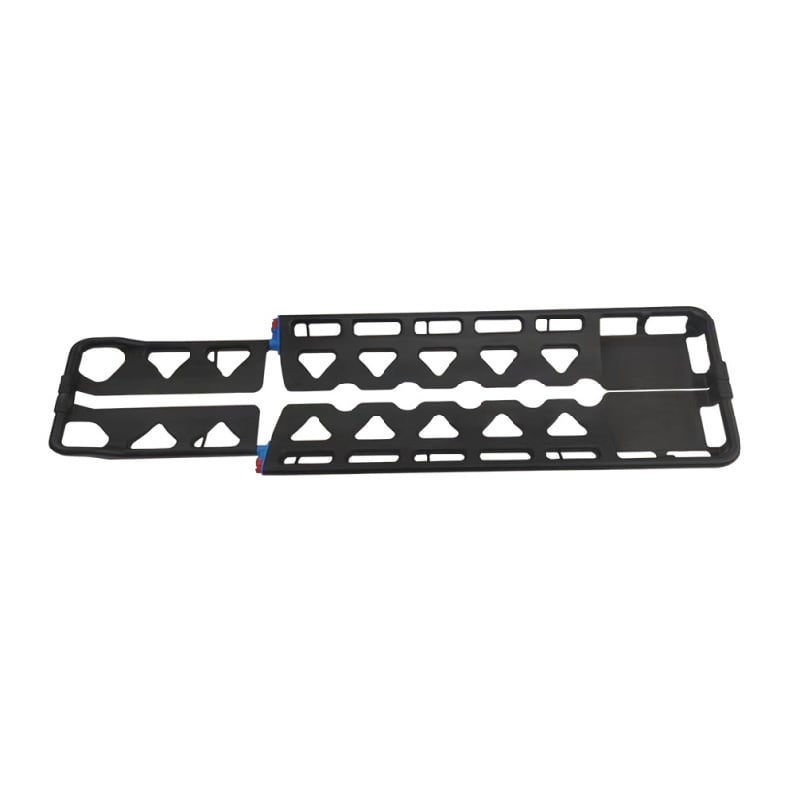
Churches: In church settings, trucks must navigate narrow aisles  and doorways, making lightweight models with good maneuverability essential.  Funeral Homes: Here, trucks may be used more frequently, requiring durable designs that  can withstand regular use.  Hospitals: In a hospital context, funeral church  trucks serve to transport patients who have passed away to  mortuaries.  These trucks may  need additional features like padding or specialized trays. For hospitals, considering models such as the YXH-4E Carry Sheet could be beneficial.

Understanding the specific use case will help you choose the right model. For instance, a  truck used predominantly in  a church might prioritize maneuverability, while those  in a funeral home setting might focus on  durability  and load capacity.

By carefully  considering the selection, features, cost factors, installation, and applications of funeral  church trucks, buyers can make informed decisions that enhance  their operations while ensuring dignity  and respect for the deceased.