Choosing the Right Backboard Spine for Emergencies

Zhangjiagang Xiehe Import & Export Co., Ltd.

application/backboard-spine, application/backboard-spine, 
Inquiry
Inquiry

backboard spine

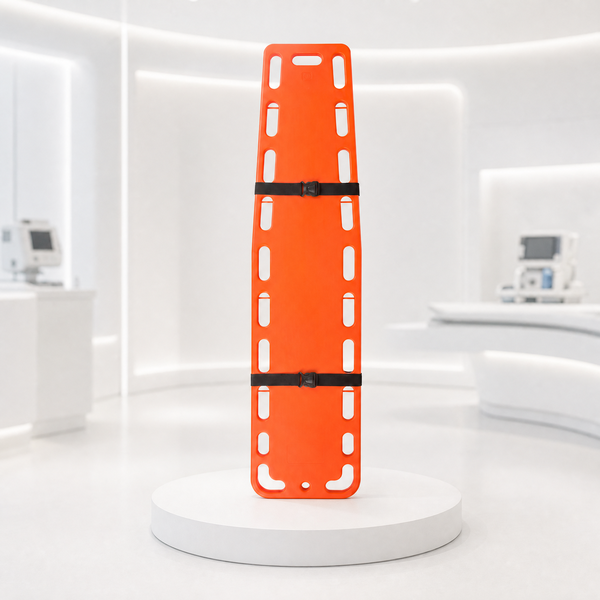
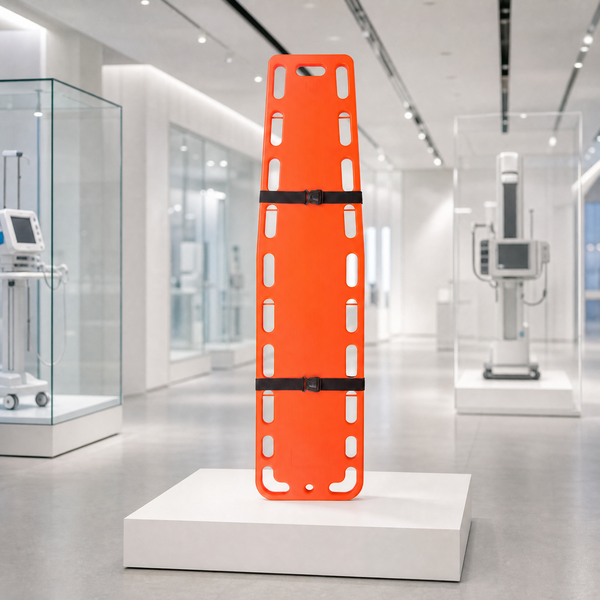
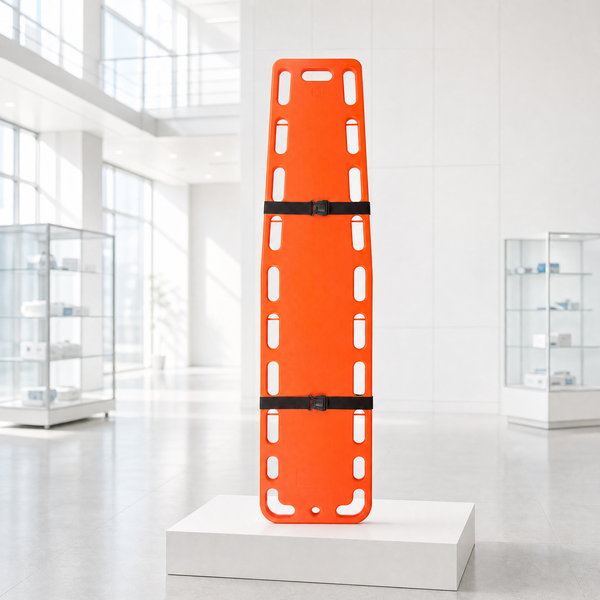
Backboard  spines are critical tools used  in emergency medical services  for stabilizing patients  during transport.  Selecting  the  right backboard spine is essential for ensuring  patient safety and  effective care. This guide  will address common concerns  of  B2B  buyers—such as specifications, cost factors, and  applications—helping  you  make informed decisions when purchasing  backboard  spines for your  organization.


Why choose XieHe backboard spine

Our Products

How to Choose the Right Backboard Spine for Emergency Use

Choosing the  right backboard spine involves evaluating several key factors that impact both functionality and safety. The  primary consideration  should be  the material of  the backboard. Common materials include high-density polyethylene and fiberglass, each offering  different  levels of rigidity  and weight. A rigid spine is essential for maintaining spinal  alignment during transport, while  lighter materials can enhance maneuverability for emergency responders.

Another critical aspect to consider is the design features, such as the presence  of hand  grips,  which facilitate easier handling and positioning. Additionally, ensure  that the backboard spine  is compatible with standard medical equipment, such  as straps  and immobilization devices, to provide comprehensive  support. Lastly, confirm that the product meets essential certifications like  CE, FDA, or ISO 13485, ensuring compliance with safety  standards.

Frequently Asked Questions

Our Blog Posts

What Our Partners Say

Key Specifications for High-Quality Backboard Spines

Key Specifications for High-Quality Backboard Spines

When assessing backboard spines, focus on the following specifications:

Load Capacity: High-quality backboard spines should have  a load capacity that can  accommodate  a  wide range of patient  weights. Typically, a capacity of at least 250 kg (550 lbs) is recommended to ensure safety for most patients.

Dimensions: Backboard spines come in various lengths and widths. Standard  sizes range from 180 cm  to 210 cm in length. Choose  a size that fits the needs of your  specific patient demographic.

Thickness: The thickness  of the  backboard  spine affects its rigidity and durability. A thickness of about 3 to 5 cm is usually sufficient for effective  performance while ensuring  easy handling.

Weight: The weight of the backboard spine is essential for ease of  transport. A balance between  durability  and lightweight design is crucial, particularly in emergency situations.

Surface Treatment: A  non-slip surface can enhance safety during use, preventing patient movement  during transport. This feature can be  critical in high-stress environments.

Buyers should confirm these specifications with suppliers to ensure the backboard spine meets their specific operational requirements. For instance, the YXH-1H Folding Stretcher is known for its robust design and safety features.

Cost Factors for Purchasing Backboard Spines in Bulk

Cost Factors for Purchasing Backboard Spines in Bulk

When purchasing backboard spines  in bulk, several cost  factors  should be  taken into account:

Material Costs: The type  of material used will significantly impact the price. For instance,  fiberglass  is often more expensive than  polyethylene but may offer superior durability and performance.

Customization: Custom features, such as branding or specific design alterations, can increase costs. Discuss customization options with the supplier upfront to  understand any additional  expenses.

Quantity Discounts: Many suppliers offer tiered pricing based on order  volume. Understanding the minimum order quantity (MOQ) and potential discounts can help optimize your budget.

Shipping  and Handling: Bulk orders  often incur higher  shipping costs,  especially for large or heavy items. Factor these costs into  your overall budget to avoid surprises.

Warranty and Support: Consider  any warranty  or post-purchase support  that may be included in the price. A reliable warranty can  provide peace of mind regarding product performance and longevity.

By assessing these factors, buyers can make more strategic purchasing decisions and potentially negotiate better deals with suppliers. Additionally, exploring options like the YXH-5P Stair Stretcher can help you find suitable alternatives.

Installation Guidance for Backboard Spine Use in Medical Settings

Installation Guidance for Backboard Spine Use in Medical Settings

Proper installation and usage of  backboard  spines in medical  settings are  crucial for patient safety. Here are  some guidelines to ensure effective use:

Training Staff: Ensure that all emergency personnel are  trained in the correct application of backboard spines. Regular training sessions can enhance familiarity with the product and  improve response times during emergencies.

Inspection Before Use: Before  deploying a backboard spine,  conduct a thorough inspection for any signs of damage or wear. Check for cracks, warping, or defects in the material that could compromise safety.

Patient Positioning: When positioning a patient on the backboard spine, ensure they are aligned properly, with their head and neck immobilized. Utilize straps to  secure  the  patient effectively, preventing movement during transport.

Compatibility Checks: Confirm that  the backboard  spine works seamlessly with  other medical equipment, such as stretchers or transport bags. This ensures a smooth transfer process and minimizes the risk of injury.

Regular Maintenance: Implement a routine  maintenance schedule to keep the backboard spines in optimal condition. Regular cleaning and inspection will extend their  lifespan and ensure compliance  with safety  standards.

By adhering to these installation guidelines, medical teams  can enhance operational efficiency and patient care.

Applications of Backboard Spines in Emergency and Medical Services

Applications of Backboard Spines in Emergency and Medical Services

Backboard spines have diverse applications in emergency  and medical  services, making them indispensable tools in various situations:

Trauma Cases: Backboard spines are primarily used in trauma cases to immobilize patients with suspected spinal  injuries,  ensuring their safety during transport to medical facilities.

Sports Injuries: In sporting events,  backboard spines are crucial for safely transporting athletes after injuries. Their lightweight design allows for quick response times, which is vital in emergency situations.

Disaster Response: During natural disasters or mass casualty events, backboard spines offer a practical solution  for  transporting multiple patients. Their robustness and ease of use  make them  ideal for emergency responders.


Patient  Transfers: Backboard spines are also used within medical facilities for transferring patients between beds and stretchers, providing stability and minimizing discomfort.

First Aid Situations: In non-emergency  first aid situations, backboard  spines can be utilized to stabilize patients before professional medical assistance  arrives, enhancing safety and care.

Understanding these applications can help  organizations select backboard spines that best meet their operational needs and improve  patient outcomes. The YXH-1F1B Folding Stretcher is an excellent example of a versatile option for various uses.

By considering the  information outlined in this guide, B2B buyers can make well-informed decisions regarding  backboard spine purchases, ensuring quality, safety, and  effective patient care in emergency medical  situations.