Guide to Sourcing Medical Extrication Devices

Zhangjiagang Xiehe Import & Export Co., Ltd.

application/medical-extrication-device, application/medical-extrication-device, 
Inquiry
Inquiry

medical extrication device

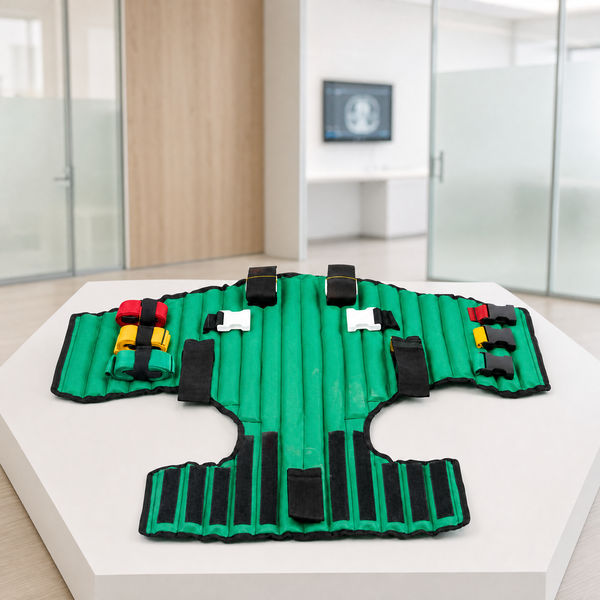
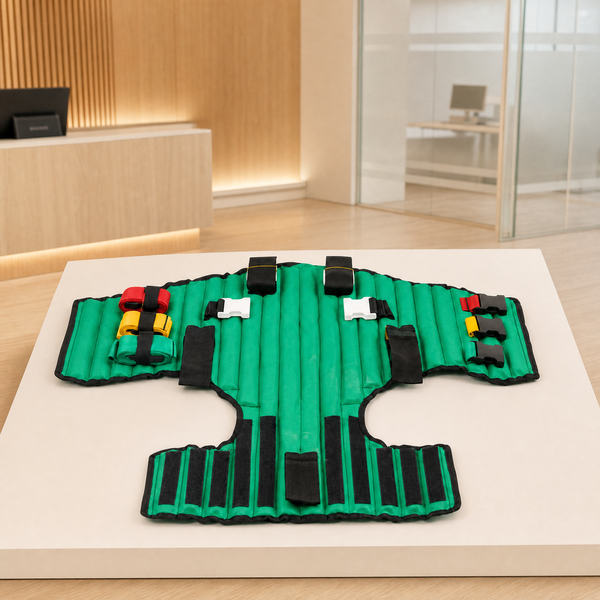
When sourcing medical extrication  devices, B2B  buyers face  a  myriad of considerations. These specialized devices play a critical role in  emergency  situations, aiding in  the  safe  and efficient  removal  of patients from hazardous environments. Understanding the specifications, quality standards,  and potential supplier  challenges is  essential for purchasing managers, distributors, and other  professionals involved  in healthcare procurement. This  article will guide you  through  key factors to consider when sourcing medical extrication devices wholesale, helping you make informed decisions that meet  your organization's needs.

Why choose XieHe medical extrication device

Our Products

What to Consider When Sourcing Medical Extrication Devices Wholesale

When sourcing medical extrication devices, the primary considerations should include product specifications, material  quality, and  compliance with relevant certifications. Specifications such as weight capacity, dimensions, and load-bearing capabilities are crucial for ensuring  that the device can effectively support patients  in various scenarios. For instance, a device designed  for heavy-duty extrication may require  reinforced materials and a robust design to handle higher weight limits. Devices like the YXH-1H Folding Stretcher are specifically engineered to meet such requirements.

Moreover, the materials used in manufacturing these devices  significantly influence their performance and safety. Common materials include  lightweight metals such as aluminum  or high-strength plastics,  which can provide both durability and ease of handling.  Ensure that the materials  used are resistant to  environmental factors like moisture and chemicals that could  compromise the device’s integrity.

Buyers should also confirm that the  manufacturer holds relevant certifications such as CE, FDA, and ISO  13485, which are indicative  of compliance with international quality and safety standards.  These certifications not only  ensure product reliability but also enhance trustworthiness in the  procurement process.

Frequently Asked Questions

Our Blog Posts

What Our Partners Say

How to Choose Reliable Suppliers for Medical Extrication Devices

How to Choose Reliable Suppliers for Medical Extrication Devices

Selecting a reliable supplier is paramount  in ensuring consistent quality and  service. Start by evaluating the supplier's production capabilities and experience in manufacturing medical-grade products. A reputable  supplier should  have a  proven track record in the healthcare  sector, with testimonials or case studies to  demonstrate successful partnerships.

Next, assess their quality control processes. A robust quality assurance  system  should  include regular  inspections, testing of materials, and verification of compliance with industry standards.  It may be beneficial to request information  about their manufacturing processes, including machinery used and the qualifications of their production staff. This insight can  help you gauge their ability to meet  your production requirements.

Additionally, consider the supplier's customization capabilities. Many  buyers require specific  adaptations to the extrication  devices to suit their unique applications, such as branding or modifications for particular environments. Ensure  that the supplier is open to  collaboration and can accommodate these needs.

Comparing Costs of Medical Extrication Devices for Bulk Orders

Comparing Costs of Medical Extrication Devices for Bulk Orders

Cost is always a critical factor in procurement, especially when ordering  in bulk.  While it may be tempting to choose  the lowest price option, it’s essential to evaluate the total cost of ownership, which includes quality, durability,  and potential long-term savings  from fewer replacements or repairs.


When comparing costs, consider the manufacturer's minimum order  quantities (MOQ) and pricing structures. Some manufacturers may offer discounts based on volume,  which can significantly impact your  overall expenditure. Request detailed quotes that break  down costs, including any customization  fees, shipping, and  handling charges.

It's also helpful to  analyze the payment terms and lead times offered by different  suppliers. A longer lead time  may  affect your operational efficiency,  while  favorable payment terms can  improve  cash flow management.

Common Problems with Medical Extrication Devices and Their Solutions

Common Problems with Medical Extrication Devices and Their Solutions

Despite their importance, medical extrication devices can encounter various  issues that may  compromise their effectiveness. Common  problems include structural failures, difficulties in operation,  and compatibility issues with other medical  equipment.

To address these challenges,  buyers should prioritize thorough testing of devices under actual operating conditions  before mass production.  This  can help identify any design flaws or material weaknesses  that may not be apparent in standard testing procedures.


Additionally, ensure  that clear user  instructions and maintenance guidelines are provided with each device. Regular training for staff on the  proper use and care of extrication devices can mitigate operational issues and enhance safety.

For  any recurring problems,  maintaining  open  communication with your supplier can facilitate quicker resolutions. Suppliers  who offer responsive customer support can provide  valuable insights and solutions tailored to your specific challenges.

Evaluating Quality Control Standards for Medical Extrication Devices

Evaluating Quality Control Standards for Medical Extrication Devices

Quality control is a critical component when sourcing medical extrication devices.  High-quality devices must undergo comprehensive quality  assurance processes to ensure safety and reliability. Start by reviewing the  supplier’s quality management system, which should outline their approach to quality control from raw materials  sourcing  to final product testing.

Look for suppliers who conduct routine inspections and testing that align with international standards. This may include physical testing for load capacity and durability, as well  as compliance testing for safety  regulations. Certifications  such as ISO 13485  are indicative of a supplier's commitment to maintaining high-quality standards for medical devices.

Furthermore, consider the supplier's approach to  addressing  quality issues. A responsive  supplier will have a system  for tracking defects and  implementing corrective actions. Engage in discussions about  their history of defects and how they handle warranties or recalls, which can provide insight into their reliability  as a long-term  partner.

By thoroughly evaluating these factors, you can  ensure that your sourcing decisions lead to high-quality  medical extrication devices that  meet your organization's needs and contribute to effective patient care during emergencies. Consider options like the YXH-5P Stair Stretcher for efficient handling in critical situations.