Key Specifications for First Aid Boxes

Zhangjiagang Xiehe Import & Export Co., Ltd.

application/box-first-aid-box, application/box-first-aid-box, 
Inquiry
Inquiry

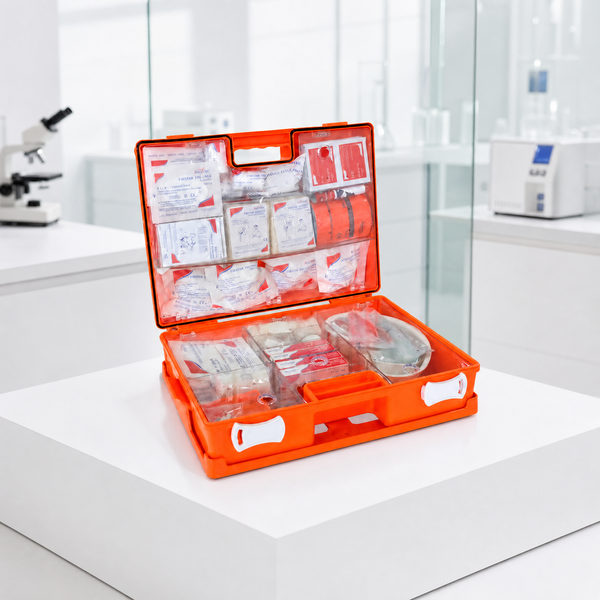
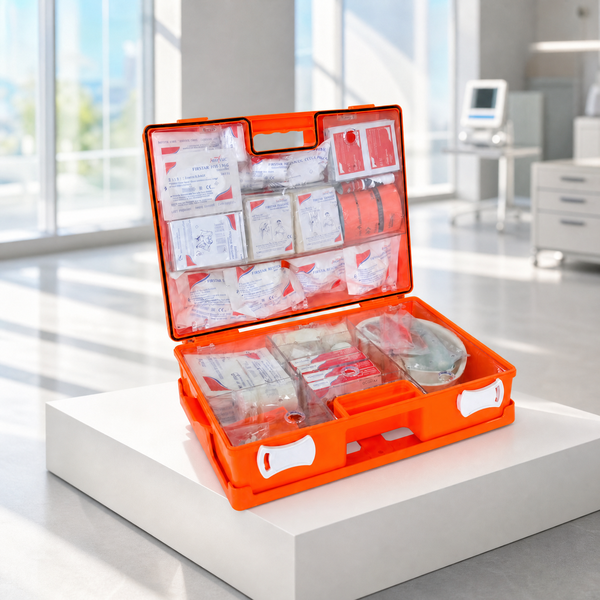
box first aid box

Understanding the right first aid box for  your  business  is crucial for  ensuring  safety and  compliance in emergency  situations. The box  first  aid box is a vital component for  various  industries, offering  necessary supplies to address injuries  and health emergencies promptly. This article  aims to help B2B buyers, including purchasing managers and  product  managers, understand essential specifications, sourcing options,  installation guidance, quality  evaluation, and industry applications  of first aid boxes.


Why choose XieHe box first aid box

Key Specifications for High-Quality First Aid Boxes

When selecting a first aid box, certain specifications should be prioritized to  ensure it meets your operational requirements. Key features  to consider include:

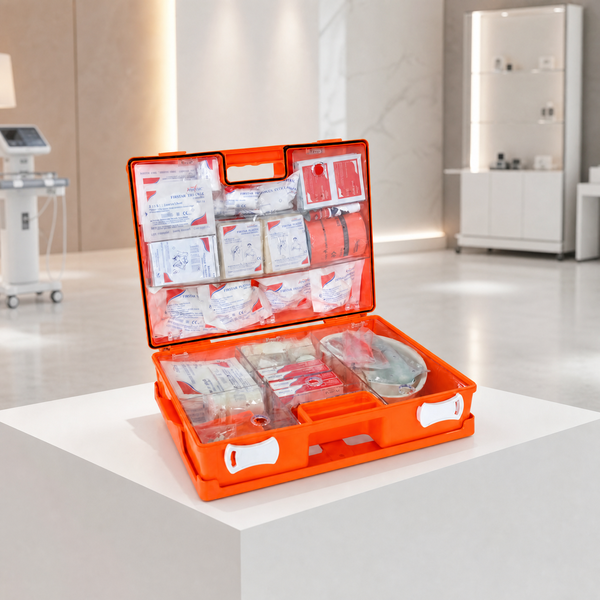
Materials: High-quality first aid boxes are typically made from durable, impact-resistant materials such as high-density polyethylene (HDPE) or metal. These materials provide protection against environmental factors  and physical damage, ensuring the contents remain secure.

Dimensions: The size of the box  should be appropriate for the intended use. A compact design is ideal for mobile setups, while larger boxes may be necessary for workplaces with higher risks of injury.  Buyers should assess the quantity and type  of supplies needed to determine the appropriate size.

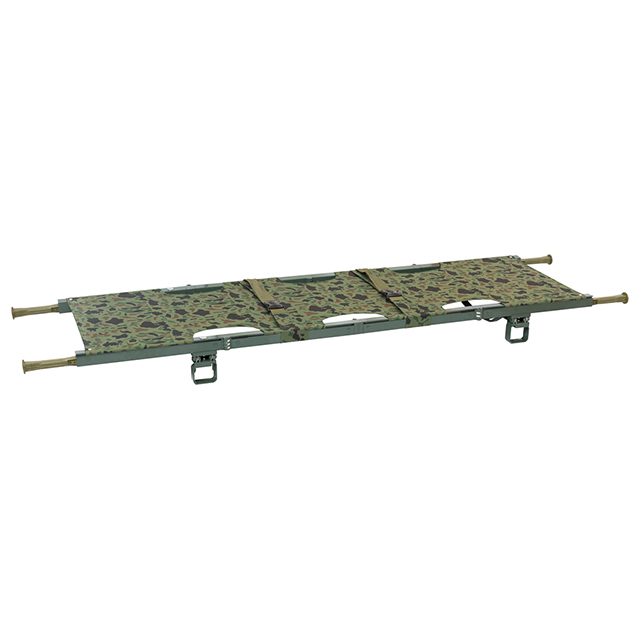
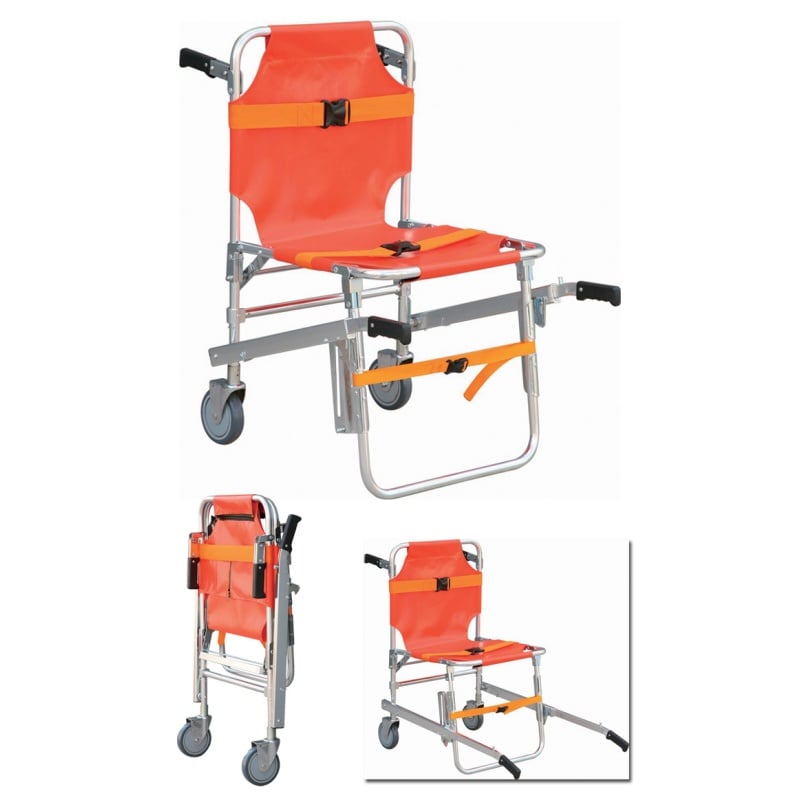
Compartments and Organization: An effective first  aid box should  feature designated compartments for different types of supplies. This organization facilitates  quick  access during emergencies. Look for boxes with removable trays or adjustable dividers for flexibility. Additionally, consider including specialized items like the YXH-1H Folding Stretcher for emergency situations.

Sealing  and Weather Resistance: A quality first aid box should have a tight seal  to protect contents from moisture and dust. This is  especially important for outdoor applications or  environments where exposure to the elements is a concern.

Certification: Ensure that the first aid box  complies with relevant safety standards.  Certifications such as CE,  FDA, and ISO 13485 indicate  adherence to quality and safety regulations, which is  vital  for trust and reliability.

Frequently Asked Questions

Our Blog Posts

What Our Partners Say

Where to Source Reliable First Aid Boxes in Bulk

Where to Source Reliable First Aid Boxes in Bulk

Sourcing first aid boxes in bulk can significantly  reduce costs  while ensuring that your organization is adequately  prepared for emergencies.  Here are some tips for finding reliable suppliers:

Industry-Specific Suppliers: Look for  companies specialized in emergency medical supplies or first aid products. They usually  have extensive  experience and a product range that meets  specific industry needs.

Certifications: Verify that the supplier holds  necessary certifications such as CE, FDA, and ISO. This  ensures that the  products meet international safety standards and quality control processes.

Reviews and References: Research suppliers by checking reviews and asking for references from other businesses. This will provide insight into their reliability and product  quality.


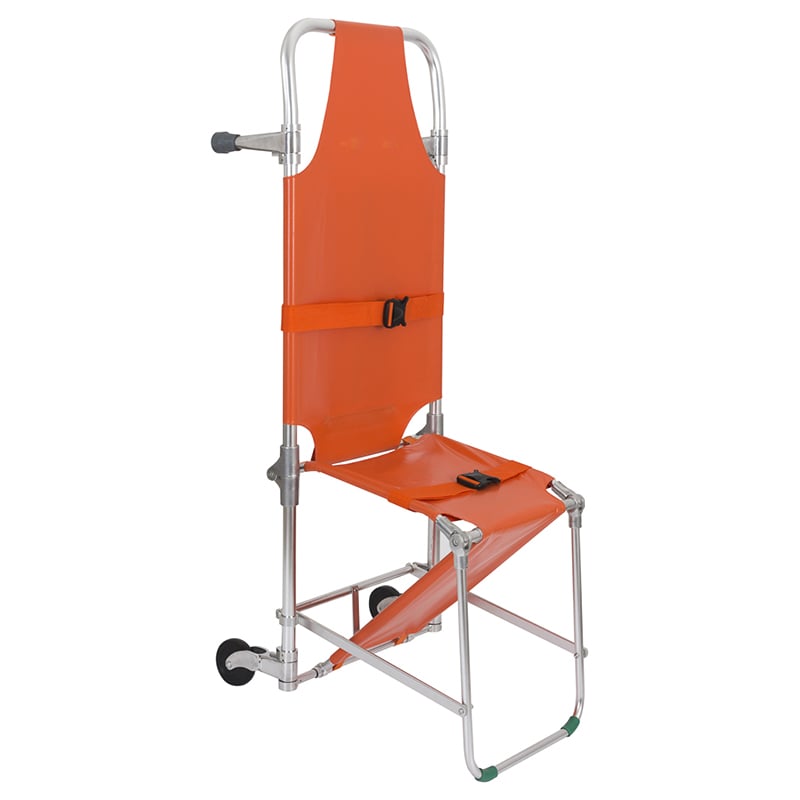
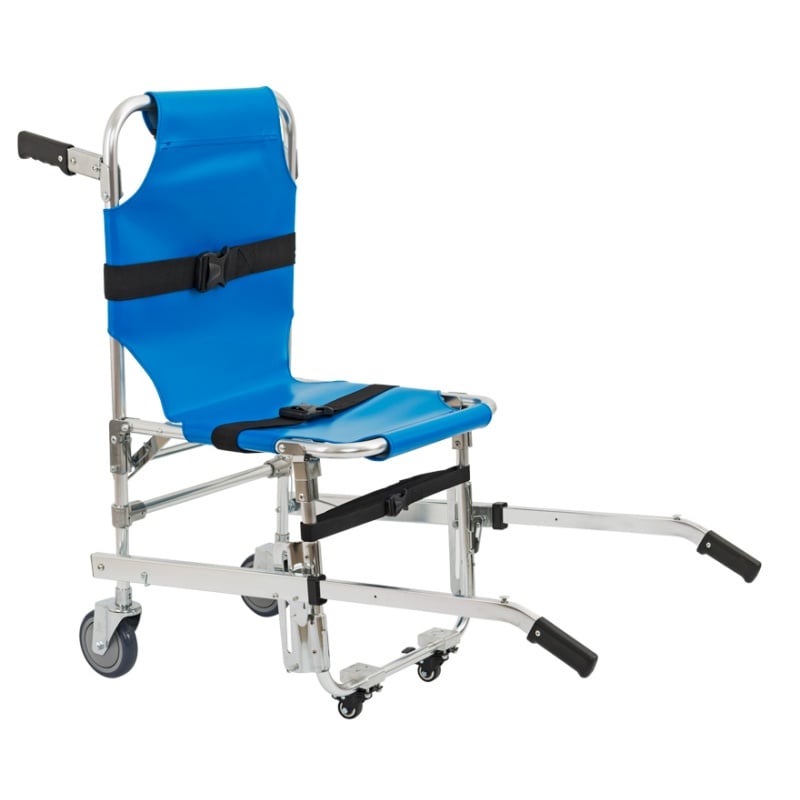
Customization Options: Choose a supplier that offers customization, allowing you to tailor  the contents  of the first  aid box to your specific operational needs. This can include adding specific items relevant  to your  industry, such as the YXH-5P Stair Stretcher for unique situations.

Minimum Order Quantities (MOQs): Understand the MOQs required by suppliers. Some may offer flexible terms, while others might enforce strict  minimums that could affect your  purchasing strategy.

Installation Guidance for Your First Aid Box Setup

Installation Guidance for Your First Aid Box Setup

Proper installation  and placement of first aid  boxes are essential for  ensuring they are accessible  during emergencies. Here  are  some guidelines:

Visibility: Place first aid boxes in visible and easily accessible locations.  Consider high-traffic  areas  where injuries are more likely to occur. Use signage to direct attention to the boxes.

Mounting  Options: Depending on the design, first aid boxes can  be mounted on walls or placed on shelves. If wall-mounted, ensure that the installation is secure and that the box is at a height that is accessible  to all  employees.

Regular Checks: Establish a routine  for checking the contents of first aid boxes to ensure that supplies are well-stocked and not  expired. This is crucial for  maintaining readiness in emergencies.

Training Staff: Ensure that employees are trained on the location and contents of the  first aid box. Regular drills can help reinforce  this  knowledge  and ensure quick action during an emergency.

Expert Tips for Evaluating First Aid Box Quality and Safety

Expert Tips for Evaluating First Aid Box Quality and Safety

Evaluating  the quality and safety of first aid boxes is vital for ensuring they perform effectively. Here are some tips to guide  your  assessment:

Sample Inspection: Before placing a bulk order,  request a sample of the first  aid box. Inspect the materials, check  the functionality of compartments, and  ensure that it meets your specifications.

Quality Control Processes: Inquire about  the supplier's quality  control processes during manufacturing. A reliable supplier should have stringent testing protocols to ensure that every batch meets the required standards.

User Feedback:  Collect feedback from users  regarding the effectiveness of the first aid  box in real scenarios.  This can provide  valuable insights into  how well  the box serves its purpose.

Compliance  Documentation: Ensure that the supplier can provide documentation proving compliance with  safety  regulations. This includes test reports and  certifications that verify the product's safety and quality.

Applications of First Aid Boxes in Various Industries

Applications of First Aid Boxes in Various Industries

First aid  boxes are versatile tools used across various industries, each with specific applications:

Manufacturing and  Construction: In  high-risk environments like manufacturing and construction sites, first aid boxes must be  equipped to handle injuries such as cuts, abrasions, and chemical  exposure. Customization  based on the specific hazards of the workplace is crucial.

Healthcare Facilities: Hospitals and clinics require specialized first aid boxes containing medical supplies relevant to patient care. These often include sterile products, bandages, and emergency medication.

Education: Schools and universities should have first aid boxes accessible in classrooms and common  areas to  address minor injuries and health issues among students.

Corporate Offices:  For office environments, first aid boxes typically contain supplies for treating minor injuries and common ailments, such  as headaches and allergies. Regular checks  are essential to maintain supply levels.

Outdoor and Recreational Spaces: Parks  and recreational areas benefit from first aid boxes tailored for outdoor activities, including supplies for insect bites, sunburn, and minor injuries.

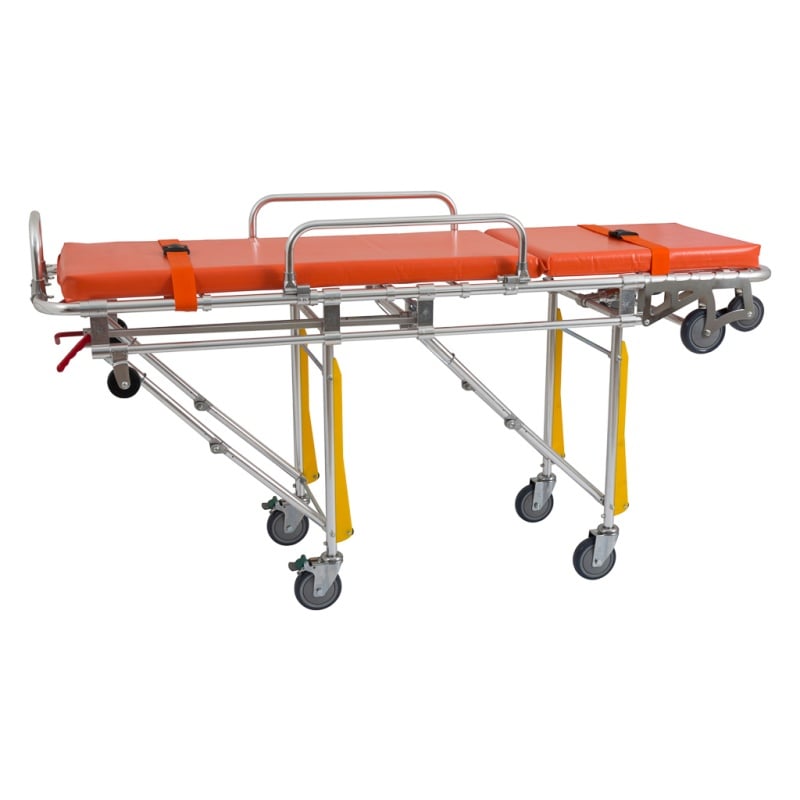
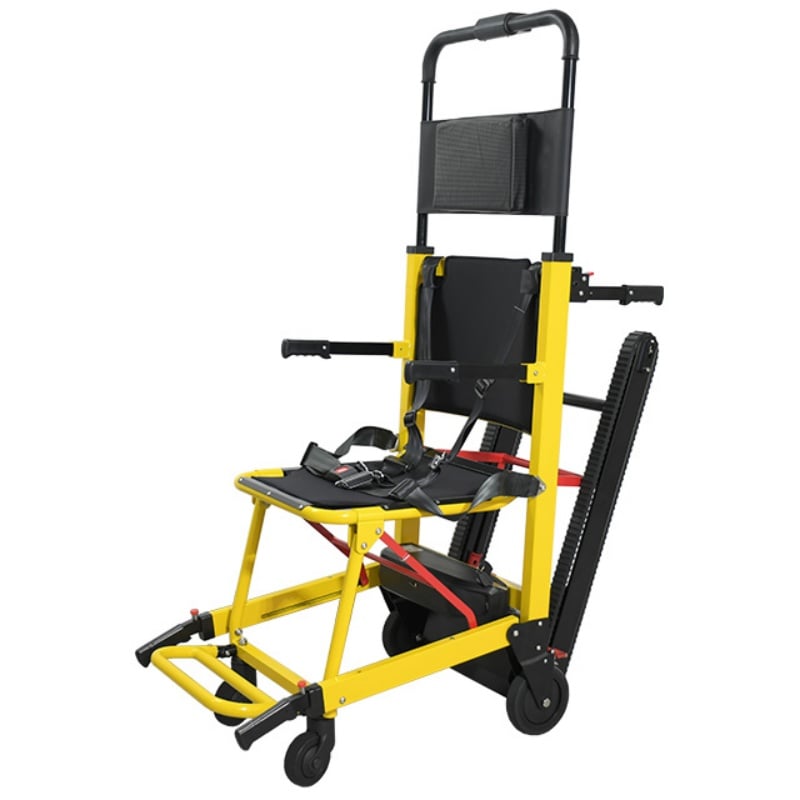
By understanding these diverse applications and the specific needs of each industry, businesses can ensure they select and maintain appropriate first  aid boxes to meet their safety requirements. Additionally, businesses may find it beneficial to explore innovative solutions like the YXH-3K Ambulance Stretcher for more comprehensive emergency preparedness.

In  summary, selecting  the  right first aid box involves careful consideration of specifications, sourcing methods, installation, quality evaluation, and industry-specific  applications. By focusing  on  these areas, B2B buyers can make informed purchasing decisions  that enhance safety and compliance in their organizations.